Airport Lounges: Should You Visit or Skip?

Remember when the airport lounge felt like the velvet rope of travel? Pepperidge Farms does.
Once upon a time, you’d flash your premium credit card or business class boarding pass, slip past the terminal chaos, and settle into a quiet chair with a free drink and a decent view of the tarmac.
These days, it feels like more often than not, the lineup starts outside the lounge door, the buffet looks like it lost a fight, and the last quiet corner is hosting a speakerphone call.
Sadly, the airport lounge experience has taken a real step down over the past few years. So today, let’s talk candidly about why that happened, whether airport lounges are still worth visiting, and which credit cards can actually get you through the door.
The Decline & Fall of the Airport Lounge
Once upon a time, airport lounges were great. That was the entire premise: a calm room away from the concourse, stocked with complimentary food and drink, where an airline could make the indignities of modern air travel more tolerable for their premier customers.
So what changed? Follow the money. Most lounge operators no longer earn their keep from airlines pampering elite flyers; they earn it from premium credit cards. Access networks like Priority Pass and DragonPass sell entry in bulk to banks, which bundle it into annual-fee cards as a headline perk.
To put it bluntly: most lounge visitors are no longer the highest value customers to the airline, and they’re treated accordingly.
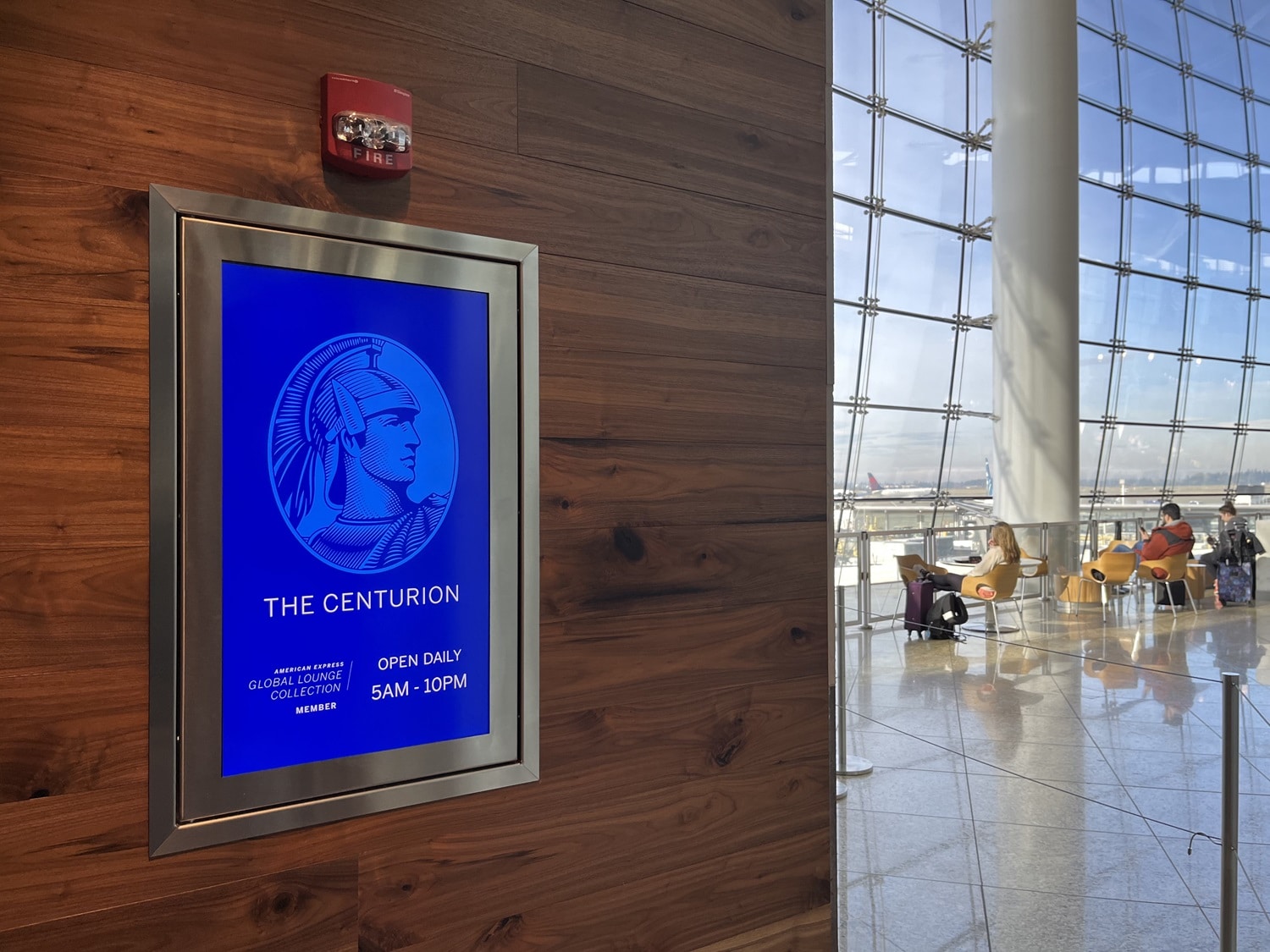
Not to be outdone, American Express launched its Centurion Lounges both to advertise its US Platinum Card and to show that Amex’s service was a cut above the competition. This led to both Capital One and Chase following suit with proprietary lounges, too.
Now: to this portrait, add the current travel boom. Air travel is as popular as it has ever been, and nowhere is the demand stronger than in Canada and the United States. Conveniently (or inconveniently, depending on your seat in the lounge), Canadians and Americans also enjoy the richest credit card welcome bonuses on the planet.
Add it up: millions of new cardholders, each clutching lounge access as the justification for a $400-plus annual fee, all funnelling into rooms built for a fraction of that traffic. The lounges got flooded, and the people getting paid per visit had little incentive to slow the flood.
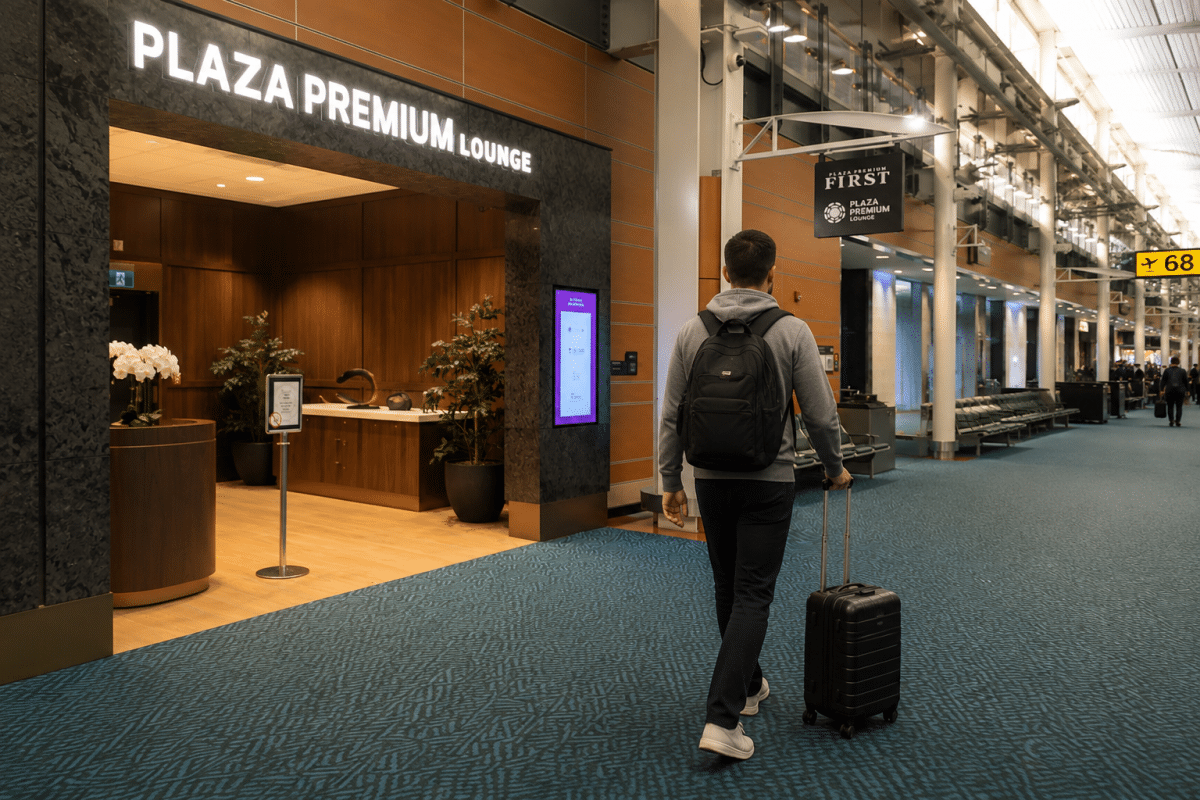
So we’re in a situation where there are too many cardholders flooding general-access lounges under banners like Plaza Premium, Priority Pass, and DragonPass, and there are still enough premium credit cardholders to keep the “upper crust” lounges full.
And all of this means that in 2026, quality is proportional to exclusivity: the harder a lounge is to get into, the better it tends to be. A first class flagship lounge guarded by a boarding pass check will always outclass a contract lounge that admits half the cards in your wallet, because one of them controls its crowd and the other one bills for it. Though these days it feels like even the “basic” lounges have front desk attendants one step from bouncers.
This is also why the best lounges are overseas. Flagship carriers in Asia and the Middle East build their showpiece lounges to woo cash-rich foreign travellers who demand a premium experience, and, frankly, to flex a little national prestige.
There is frankly no political will to build a monument to Canada in YYZ Terminal 1 while Qatar Airways builds monuments to Qatar like the Al-Safwa Lounge at DOH as a matter of patriotic pride.
Are Airport Lounges Still Worth it?
Let’s start with the cash question, because it has the cleanest answer. Pay-per-use and walk-in rates now typically run $35 USD or more per person in addition to the cost of a membership.
For a solo traveller staring down a five-hour layover, maybe that pencils out. For a family of four, that’s $140 USD for lukewarm soup, cheese cubes, and house wine. Terminal food is probably equivalent in price, and for that price should theoretically be better (though the booze will bankrupt you fast). If you’re paying cash at the door, the lounge should be a skip barring insane crowding in the terminal.

Access through a credit card flips that math quickly, though. Even a modest travel credit card like the Scotiabank Passport Visa Infinite + Card, with 6 included lounge visits on a $150 annual fee, works out to $25 a visit before you count any of the card’s other perks. You don’t need to be a spreadsheet person to see which side of that trade to be on.
If you’re not paying cash, the math changes, but so has the product. The dirty secret of the modern lounge is the lineup: capacity caps, one-in-one-out queues at peak hours, and the possibility of being turned away from the very room your premium annual fee was supposed to unlock.
The standard advice is to hold more premium credit cards or earn elite status, and while both help, neither is a guarantee of entry anymore. For example, Air Canada took away Maple Leaf Lounge Access from 35K members a few years ago.
Here at Frugal Flyer, we’d mostly prefer to be at the lounge, especially at those flagship locales we recorded an entire Miles Ahead podcast episode about. How can we square that with increasing lines, skyrocketing prices, and decreased quality, especially in Europe and North America?
Permit me one old-man-yelling-at-a-cloud aside to explain. The French anthropologist Marc Augé famously called airports “non-places”: interchangeable, crowded spaces which are uniform around the world. These places only fulfill the function of moving you from one place to another, while barely holding any unique features of their own.
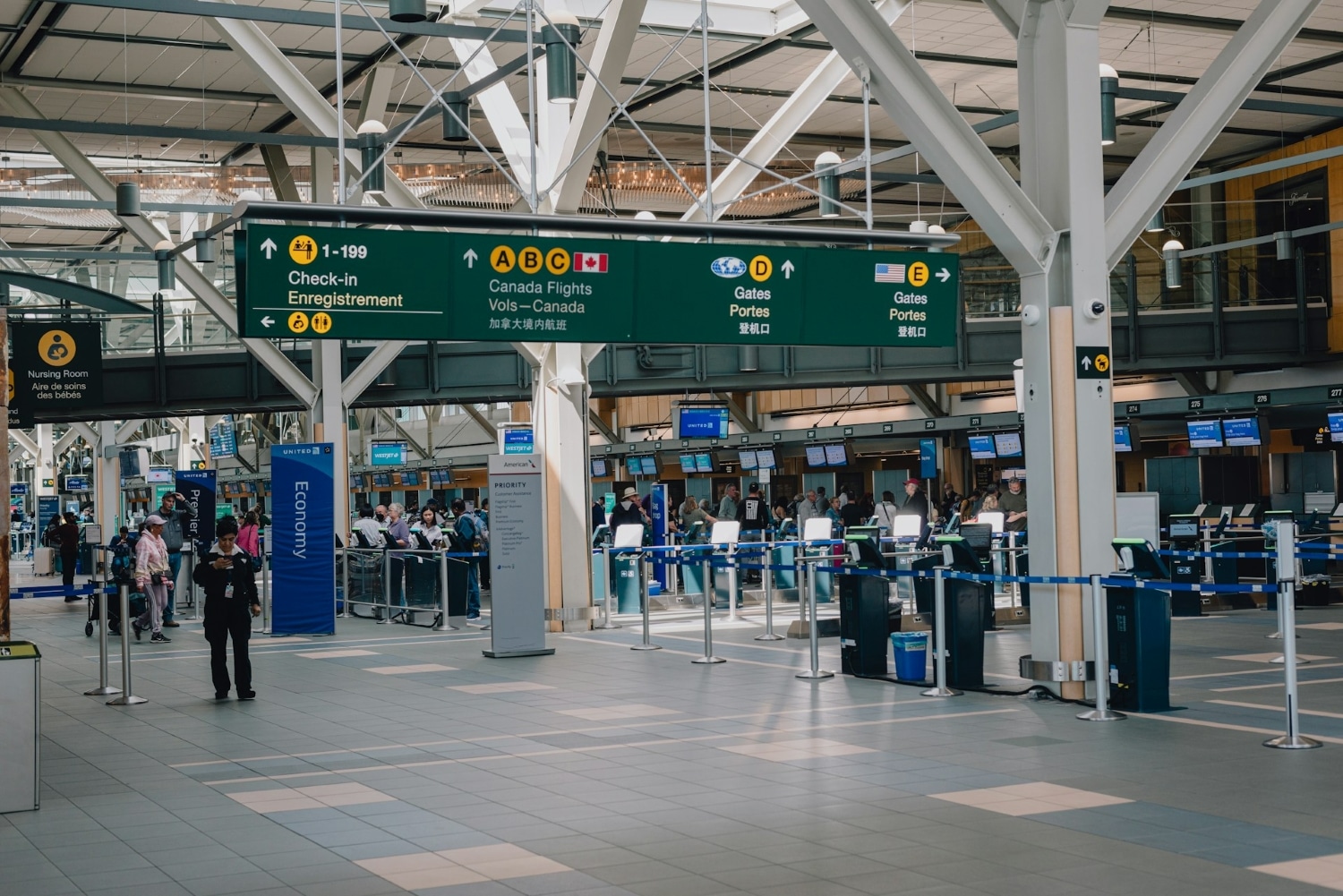
This means that the public “rest areas” of a non-place are not designed for you. Airport restaurants and food courts are engineered to extract money and turn tables – hard seats, scarce power outlets, and just enough ambient discomfort that you don’t linger. You are revenue to be turned over, not someone to be provided services.
A lounge, even a tired one, is still sitting within the non-place that is an airport, but it fulfills a different social contract: you are expected to stay there as long as you need. So while many lounges can feel uncanny, drab, and totally lacking in individuality, they do provide a service that the entire rest of the airport is specifically designed to not provide. And that’s why the entire Frugal Flyer team continues to choose a ‘free’ airport lounge visit over paying for anything in the terminal.
Basically, you can run the math on drinking $15 pints at a franchise Fionn MacCool’s, but if you have access, the pints still usually lose on value and comfort to the sad garden salad at the Plaza Premium.
How to Beat Airport Lounges at Their Own Game
So the game is rigged: pay cash and lose, or engineer free airport lounge access from credit cards and come out ahead. Here’s how Canadians can do the latter.
The best domestic option is Air Canada’s ecosystem. The Aeroplan premium credit cards, meaning the TD Aeroplan Visa Infinite Privilege Card, the CIBC Aeroplan Visa Infinite Privilege Card, and the American Express Aeroplan Reserve Card at $599 a year apiece,
These cards include unlimited Maple Leaf Lounge access with a guest whenever you’re flying Air Canada, plus Zone 2 priority boarding and a free checked bag. If Air Canada is your primary airline (and for most Canadians it is, by default if not by affection), this is the cleanest path into a lounge on every trip.
American Express® Aeroplan®* Reserve Card
The American Express® Aeroplan®* Reserve card offers complimentary Air Canada Maple Leaf Lounge™* access, priority airport services, and a free first checked bag for up to eight travel companions.
Frequent Air Canada flyers will also appreciate the annual worldwide companion pass earned at $25,000 in spend and the ability to earn Status Qualifying Credits towards Aeroplan elite status.
OFFER
85,000 Aeroplan points
MINSPEND
$10,000
EST. VALUE
$1,785+
ANNUAL FEE
$599
FOREX FEES
Yes
EXPIRY
–
For airline-agnostic access, the Scotiabank Passport Visa Infinite + Card comes with 6 complimentary Visa Airport Companion visits per year across a network of 1,200+ lounges, and those passes can be shared with travelling companions, with each guest drawing down one visit. At only $150 a year, with zero foreign transaction fees, that’s a pretty good deal.
Scotiabank Passport Visa Infinite + Card
The Scotiabank Passport Visa Infinite + Card is one of Canada’s best all-around travel cards, offering no foreign transaction fees and six complimentary airport lounge passes through the Visa Airport Companion Program.
Scene+ points are easy to earn on everyday spending and can be redeemed flexibly for travel, groceries, and more, making it a strong everyday carry for travellers who want simplicity and real value for $150 per year.

Earn when you apply through Frugal Flyer.
OFFER
35,000 Scene+ points
MINSPEND
$40,000
EST. VALUE
$475+
ANNUAL FEE
$150
FOREX FEES
No
EXPIRY
Nov 1, 2026
Beyond that, we’ll say it plainly: getting into the US credit card game is absolutely key, because most Canadian premium cards have seen their access cut again and again. The once-respectable Canadian Platinum Amex is going to have a capped number of visits per year starting in 2027 – on a card with a whopping $799 annual fee! The value is awful.
The US cards I’d recommend holding for lounge access are the Chase Sapphire Reserve Card at $795 USD, which carries Priority Pass Select plus access to Chase’s own excellent Sapphire Lounges, and the US American Express Platinum Card at $895 USD for its Centurion Lounges.
To be honest, I’d even give the edge to the Chase Sapphire Reserve because there are more Priority Pass lounges in Canada and the United States, but the Centurion lounge is pretty good, too. It’s up to your preference.
Of course, airlines still do provide benefits to “premier” customers by giving business class and first class itineraries lounge access. This is key for when you want to visit the really “sexy” lounges like the Al-Safwa in Qatar or any of the flagship first class lounges in Asia… but with the cash prices being eye-watering, best to see if you can book on points.

Conclusion
So, are airport lounges a visit or a skip? If it costs you money or a ridiculous wait time, I’d vote skip. Again: I’m talking about bad waiting times. 20-30 minutes can be worth it if the main terminal is super unappealing, but I’ll be damned waiting 90 minutes for a fancy cocktail.
On the other hand, feel free to visit if you’ve engineered free access, because even a diminished lounge usually beats the main terminal. Then again, do the math: there might be edge cases where overpriced pints are a better price, such as when flying with friends not as in tune with the magic of miles and points as you are. Like everything in this hobby, the airport lounge rewards smart globe-trotters who refuse to pay full retail.
Until next time, may your lounge be quiet and your (self) pours be generous.