
BTN Interviews: Erick Garnica, Associate VP Global Leisure Sales at Discover the Palm Beaches | Focus


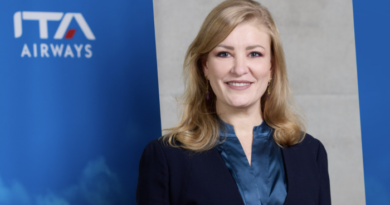
Erick Garnica, Associate Vice President Global Leisure Sales at Discover the Palm Beaches
The Palm Beaches is enjoying strong momentum from the UK, with visitation up 12.4% year-on-year in the first quarter of 2026. Known as America’s First Resort Destination®, the Florida destination combines luxury resorts, golf, culture, wellness, nature and 47 miles of Atlantic coastline across 39 cities and towns.
Breaking Travel News speaks to The Palm Beaches about UK growth, responsible coastal tourism, new hotel openings and the experiences shaping the destination’s future.
BTN: How has UK visitation to The Palm Beaches performed over the past year, and what do you think is driving the growth from this market? What makes the UK such an important international market for The Palm Beaches?
We’re really encouraged by the continued growth we’re seeing from the UK. In the first quarter of 2026, we welcomed more than 3.33 million visitors overall, our strongest first quarter on record, and UK visitation grew by 12.4% year-on-year, reaching 14,500 visitors. The UK has long been one of our most valuable international markets and is now our third-largest overseas market, so it’s fantastic to see that momentum continue.
I think what resonates with British travellers is the variety that The Palm Beaches offer. Across our 39 cities and towns, you can enjoy everything from iconic luxury resorts and world-class golf to nature, culture and family-friendly experiences, with more than 180 hotels to suit a range of budgets.
We’re also incredibly easy to include as part of a wider Florida holiday. Whether visitors are flying into Miami, Fort Lauderdale or Orlando, The Palm Beaches as a destination is a natural addition to a multi-centre itinerary. Particularly with the high-speed rail train Brightline further enhancing connectivity and accessibility, travel times are under an hour between key cities in South Florida.
BTN: How would you describe The Palm Beaches to a UK traveller who may already know Miami, Orlando or the Florida Keys, but is less familiar with your destination? What role does The Palm Beaches play within the wider Florida tourism story?
The Palm Beaches offers a gentler side of Florida – one that is more relaxed, sophisticated and rich in history. As America’s First Resort Destination®, it was here that Henry Morrison Flagler, the founder of modern Florida tourism and business partner of John D. Rockefeller, established his winter home and helped transform the area into a world-class destination. Flagler developed the railway network that opened Florida’s east coast to tourism and built two landmark hotels here in the late 19th century including The Palm Beach Inn, which would later become The Breakers, one of Florida’s most iconic luxury resorts today.
Over the years the destination has earned the moniker of both Florida’s Golf Capital® with more than 160 golf courses, and Florida’s Cultural Capital® thanks to its abundance of cultural attractions and venues. These experiences create a destination that offers far more than a traditional Florida beach holiday.
BTN: The Palm Beaches has been designated the Sea Turtle Capital of Florida™. What does that mean for the destination, and how does it reflect your wider approach to conservation and responsible coastal tourism?
With 47 miles of Atlantic coastline, The Palm Beaches is home to one of the most important sea turtle nesting habitats in the United States, supporting loggerhead, green, and leatherback sea turtles. Our beaches host an exceptionally high density of nesting activity, contributing to an estimated 2 million hatchlings each year and accounting for a significant share of Florida’s total sea turtle nests. In 2026 alone, Loggerhead Marinelife Center has already documented 11,066 nests along our coastline.
Being recognised as the Sea Turtle Capital of Florida™ reflects our long-standing commitment to protecting these habitats and ensuring tourism and conservation work hand in hand. The Palm Beaches led the way statewide by becoming the first destination in Florida to adopt a balloon ban in 2017, in its efforts to protect sensitive marine ecosystems from the threats posed by balloons. Today, organisations such as Loggerhead Marinelife Center, Gumbo Limbo Nature Center, and John D. MacArthur Beach State Park work year-round to monitor nests, protect hatchlings, encouraging travellers to enjoy our coastline responsibly while helping preserve it for future generations.
BTN: How do you balance growing visitor numbers with the need to protect the natural environment, coastline and wildlife that make the destination so special?
Protecting our natural environment is fundamental to the visitor experience, so as visitation grows, conservation remains a top priority.
A key advantage is the geography and structure of The Palm Beaches itself: 39 distinct cities and towns spread across a wide, low-density coastline. This naturally disperses visitation, helping to reduce pressure on any single beach or natural site while offering a more varied and less congested visitor experience.
Alongside this, The Palm Beaches have extensive sea turtle protections, including beach patrols, lighting regulations, boating guidance, oversight of beach furniture, and legal prohibitions against disturbing nests and hatchlings. Initiatives such as the Beach Bucket Foundation’s Box O’ Buckets® cleanup stations also empower visitors and residents to play an active role in reducing marine pollution and preserving these vital habitats.
BTN: Which emerging districts across The Palm Beaches are currently reshaping the visitor experience?
In West Palm Beach, the NORA District is really starting to stand out. It’s a very walkable neighbourhood where you’ll find everything from chef-led restaurants and wellness studios to design-focused shops. There’s also a lot of anticipation around the new Nora Hotel, opening later this year with 201 boutique-style rooms, which will enhance the neighbourhood’s luxury appeal.
Another example is Delray Beach which is famously nicknamed by locals as the “Village by the Sea”. It’s a place that feels lively but still local, with boutique hotels, independent restaurants and a full calendar of events throughout the year including the Delray Beach Open tennis tournament. There has also been significant investment in arts and culture in recent years, helping to shape its identity as a creative hub, with areas like the Pineapple Grove Arts District and Arts Warehouse playing an increasingly important role in supporting galleries, public art and a growing creative community.
BTN: How is the hotel landscape evolving, and what does the arrival of properties such as The Vineta Hotel, Oetker Collection’s first property in the United States, say about the destination’s luxury appeal?
The hotel landscape in The Palm Beaches has evolved in response to what travellers are looking for today, particularly a shift towards more personalised, design-led and experience-driven stays. We’re seeing that come through in an exciting way, with the arrival of properties such as The Vineta Hotel, Oetker Collection’s first property in the United States, which further reinforces the destination’s growing international luxury appeal and the confidence from leading global hospitality brands.
Alongside well-known brands, there’s also a strong mix of independent and boutique properties, which really give each stay a sense of individuality and place. Properties such as The Colony Hotel in Palm Beach, the White Elephant Palm Beach, and The Brazilian Court Hotel each has its own unique personality and reflects the destination’s heritage and style. At the same time, the destination remains accessible with hotel options across a wide range of price, meaning visitors can find an experience that suits them without compromising on quality or location. Particularly during the summer months when hotels, attractions and restaurants offer some of the destination’s best seasonal value, it’s an enticing time to explore our area.
BTN: What new venues, outdoor attractions or visitor experiences should international travellers be watching most closely?
There are a few exciting developments that I’d encourage international travellers to seek out. One is Glazer Hall in Palm Beach, which recently reopened on the waterfront at Royal Poinciana Plaza, bringing a historic venue back to life with a fantastic programme of live music, theatre and cultural events. Another is the beautifully restored Sunset Lounge in West Palm Beach, which has reopened as a vibrant music and dining venue while celebrating its rich musical heritage.
For those who love the outdoors, Spanish River Park in Boca Raton is well worth a visit. Its beach was awarded the prestigious Blue Flag designation in 2025, making it one of just three Blue Flag beaches in the United States alongside Delray Municipal Beach.
BTN: How are traveller expectations changing, particularly around wellness, nature, gastronomy, culture and more personalised experiences?
Traveller expectations have shifted towards more meaningful, personalised experiences, and that really plays to The Palm Beaches’ strengths. Food is a big part of that, with around 4,000 dining options across the destination, from independent neighbourhood restaurants to concepts led by acclaimed and Michelin-recognised chefs.
We’re also seeing growing interest in more active and social experiences, whether that’s wellness, spending time outdoors, or activities like pickleball, which has become the fastest growing sport in America. The variety of experiences on offer across our destination allows visitors to shape a trip that feels much more personal to them, whether they’re travelling for culture, relaxation or time in nature.
BTN: Looking ahead, what are your main priorities for international growth, and what would success look like from the UK market over the next few years?
The UK remains one of our most important international markets, and our priority is to continue building awareness of The Palm Beaches with our trade and media partners as a destination in its own right, not just as an extension of Miami or Orlando.
A big focus for us over the next year will be to continue strengthening our positioning around culinary, arts and culture and wellness. We will do this through events such as the Palm Beach Food & Wine Festival which brings together leading chefs from across the region and the Eudēmonia Summit, which reflects the destination’s growing wellness and longevity offering, as well as year-round exhibitions, performances and events across our museums and arts institutions.
BTN: Finally, what is the one experience in The Palm Beaches that you believe best captures the spirit of the destination?
If I had to pick one experience that really captures The Palm Beaches, it would be attending a polo match in Wellington.
Polo has been part of the area’s story since the 1920s, and it took off in the 1970s thanks to William Ylvisaker, who founded the Palm Beach Polo and Country Club and helped put Wellington on the global map for the sport. Over the years it’s attracted some incredible players and visitors, including Prince Harry, who even played a match here in 2024.
Today, Wellington is home to the National Polo Center, and from January to April the season comes alive with major events like the Winter Equestrian Festival and the USPA U.S. Open Polo Championship®.
It perfectly reflects the character of The Palm Beaches, combining world-class sport, stylish fashion and a vibrant social atmosphere that is unique to the destination.