Castilla y León shows how accessible tourism is emerging as an alternative to overtourism in Europe | News

-300x0.jpg)
Accessibility and senior tourism are increasingly becoming strategic factors in the competitiveness of European tourist destinations. This is highlighted by IMPULSA IGUALDAD — a leading organisation in accessible tourism in Spain — and TUR4all Travel, an accessible travel agency, which point out how Europe’s ageing population, together with the impact of overtourism, is accelerating demand for more accessible, quieter and lower-density destinations.
Accessibility is no longer viewed solely as a matter of regulatory compliance, but as a key element in tourism planning and visitor experience. This trend is accompanied by the growth of senior tourism, a segment that prioritises comfort, accessibility, safety, contact with nature and high-quality cultural experiences.
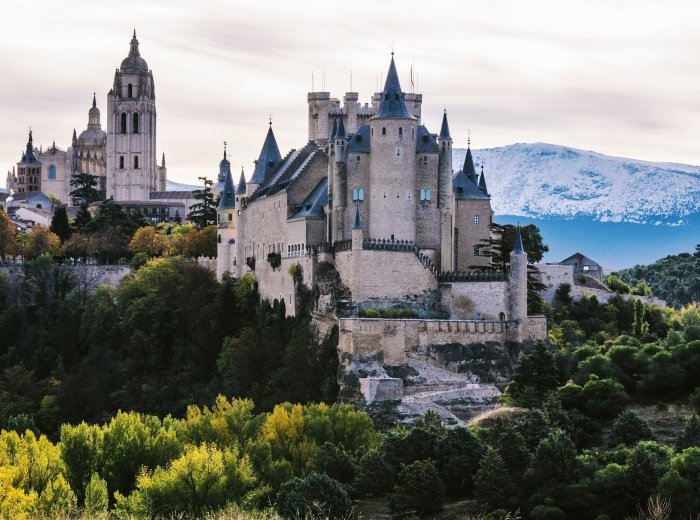
Within this context, Castilla y León emerges as a relevant case study. As Spain’s largest autonomous region and one of the biggest regions in Europe, it combines low visitor density, a well-established rural tourism network and extensive cultural and natural heritage, aligning with growing demand for more sustainable, decentralised and nature-based travel experiences.
“The conversation around accessibility is no longer limited to specific tourism segments. Demographic change, population ageing and the impact of overtourism are accelerating the search for destinations that combine accessibility, quality of experience and lower saturation,” explains Francisco Sardón.
While destinations such as Barcelona, Venice and Amsterdam continue implementing measures to manage visitor flows, Castilla y León represents a different model, based on dispersed tourism demand, rural tourism and smaller cities.
The region recorded around 1.8 million overnight stays in rural accommodation in 2025, reflecting sustained interest in nature-based, heritage and decentralised tourism experiences. This model also encourages longer stays, thematic itineraries and year-round tourism, factors particularly valued by senior travellers.
Castilla y León is home to UNESCO World Heritage cities such as Salamanca, Segovia and Ávila, as well as biosphere reserves, natural parks and sections of the Camino de Santiago.
Accessible and senior tourism: a structural trend
According to data shared by IMPULSA IGUALDAD and TUR4all Travel, around 90 million people in Europe live with a disability. Including seniors and accompanying travellers, the potential accessible tourism market reaches approximately 130 million travellers, a segment commonly associated with longer stays and higher tourism spending.
Europe is also facing progressive population ageing. This context is driving a shift in travel preferences towards less crowded destinations with better accessibility, adapted services and more relaxed, experience-driven tourism offers.
Despite growing awareness, accessibility remains uneven across many European destinations, particularly in historic and rural areas, prompting increased attention from public authorities and tourism stakeholders.
In this scenario, Castilla y León is progressively incorporating accessibility criteria into rural accommodation, heritage resources and nature-based experiences. Its less saturated territorial structure also facilitates more flexible, inclusive and senior-friendly tourism experiences.
As Europe’s population ages and travel preferences continue to evolve, regions such as Castilla y León are increasingly emerging as benchmarks for more balanced, sustainable and inclusive tourism models.