Credit Freezes in Canada: How They Work and Where They’re Available

As YouTube ad-reads are relentless about warning you, it’s very possible that much of your personal information is online, in the clutches of data brokers or even shadier parties.
Unfortunately, they’re not always exaggerating. Sometimes clicking on that weird text message claiming to be from Canada Post can result in a data breach or your personal information being compromised. Heck, a major Canadian airline had one such incident lately.
In Canada, there hasn’t been much we could do about this aside from credit monitoring… However, credit freezes have arrived in a few provinces, with more on the way. So let’s talk about what a credit freeze actually is, who can get one, how to set it up, and what the rest of the country can do in the meantime.
Credit Freezes in Canada
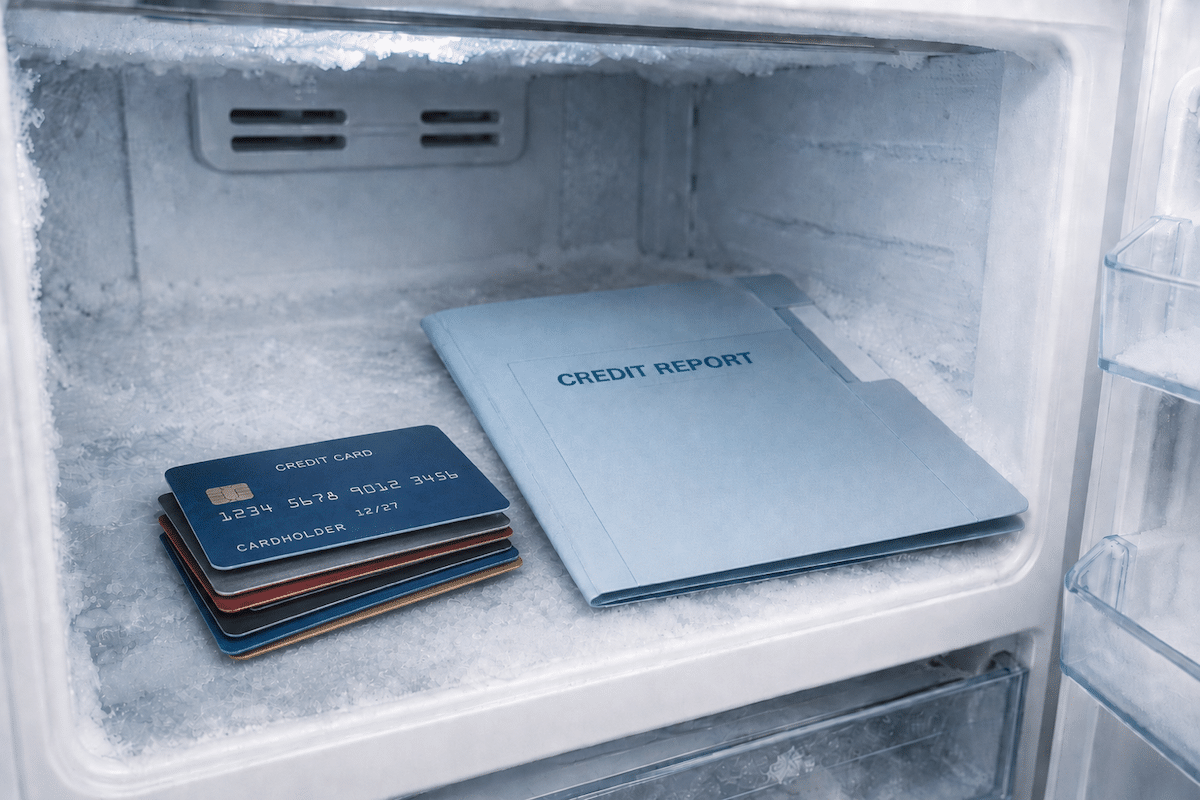
A credit freeze, or “credit lock” as Equifax brands it, is exactly what it sounds like: you instruct a credit bureau to stop releasing your file for new credit checks. When anyone, be they you or a fraudster, with your SIN and date of birth tries to open a credit card or loan in your name, the lender pulls your report, hits a wall of ice, and the application dies right there.
Remember: this doesn’t do anything about accounts you already have, or which have been opened in your name. The freeze will only be lifted when you say so, and while functional, it has zero impact on your credit score.
Americans have had free freezes at all three of their bureaus since 2018, a direct response to the massive 2017 Equifax breach (and it certainly doesn’t inspire much confidence that a monitor this major has a history of such issues). Canada, in typical fashion, took a little longer.
Quebec went first and made free freezes a legal right in early 2023. Ontario followed: as of Canada Day 2026, you can “credit lock” your personal Equifax. This only affects lenders who check Equifax, though in some ways this is the more important bureau as mortgages, auto loans, and other big-ticket loans tend to flow through this bureau. Ontario has given Transunion until July 1st of 2027 to roll out its version – so make sure to monitor Transunion closely if you’re afraid of a data breach.
It should be noted: as useful as these consumer protections are, any additional layers of compliance often make it less easy for lenders to operate. This is at least part of the reason Quebec typically has far less generous offers both for credit card products (with many not even being available) and balance transfer promos.
The rest of the country is (slowly) catching up. British Columbia passed its own credit freeze legislation in December 2025, though it won’t take effect until regulations are finalized, and Nova Scotia is reportedly working on something similar. Here’s where every province stands as of July 2026:
| Province | Credit Freeze Status |
|---|---|
| Alberta | Not available |
| British Columbia | Legislation passed (Dec 2025), start date TBD |
| Manitoba | Not available |
| New Brunswick | Not available |
| Newfoundland & Labrador | Not available |
| Nova Scotia | Not available (legislation reportedly in progress) |
| Ontario | Live since Jul 1, 2026 (Equifax only until Jul 1, 2027) |
| Prince Edward Island | Not available |
| Quebec | Live since Feb 1st, 2023 (both bureaus) |
| Saskatchewan | Not available |
Why and Why Not to Place a Credit Freeze
The case for freezing is easy. Where available, it’s completely free, it works against the most damaging kind of identity fraud, and it does no damage to your personal credit score. If you’ve already been a victim of fraud, or have any reason to believe your information has been substantively compromised, it can be a good way to protect yourself from risk.
The case against is simple: freezes can be an enormous pain in the butt to manage. A freeze blocks everyone, including you. Every mortgage renewal shop, car lease, or personal loan that pulls a bureau under freeze will leave your application declined. This can be a lot less convenient than many folks estimate: for example, are you the type of customer who upgrades their phone every few years? Well, that’s a credit check. If you’re locked, that means unlocking if you want the latest iPhone.

As mentioned earlier, a freeze also does nothing for accounts that already exist: if someone skims your current credit card, the freeze won’t save you. So you’d have to go through the long and arduous process of getting accounts struck from your ownership. This can be a serious pain and cause a lot of unnecessary stress, so it’s unfortunate we still don’t have first-rate consumer protections in Canada.
What about those of us who apply for credit cards more often than the average Canadian? Well, a credit freeze probably isn’t for you, though ironically your data has a higher chance of swimming around cyberspace. If you do need to freeze your credit, it will require much more micromanagement so be prepared to manage the ire of your Player Two.
How to Place a Credit Freeze
Placing a Credit Freeze with Equifax Canada
If you’re in Quebec or Ontario, the fastest route is online: create or log into your myEquifax account. You can sign up for free here.
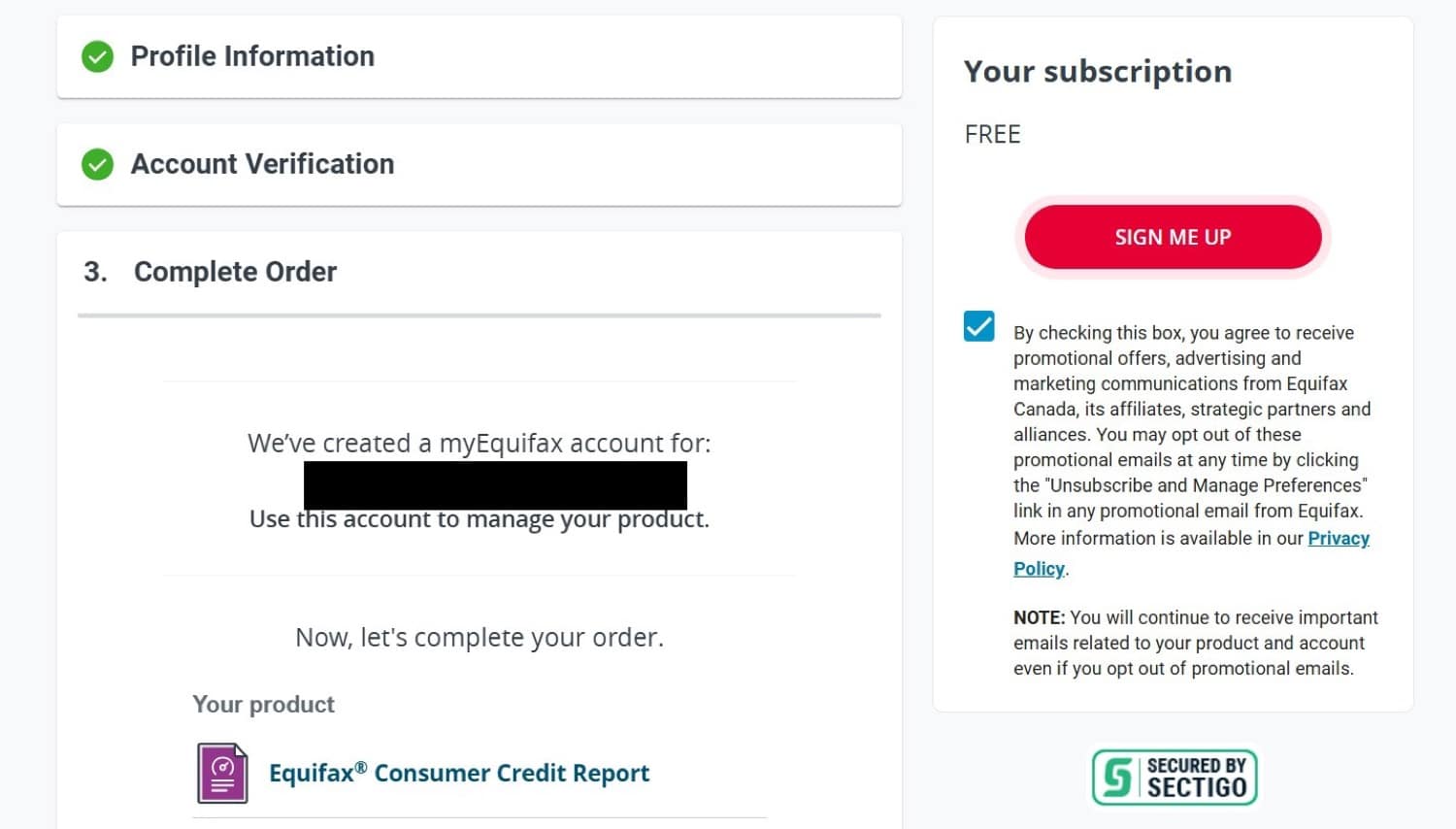
Once inside, you can apply for a credit lock. I’m authoring this piece from Alberta, so I don’t have the option. It would theoretically be in this dashboard:
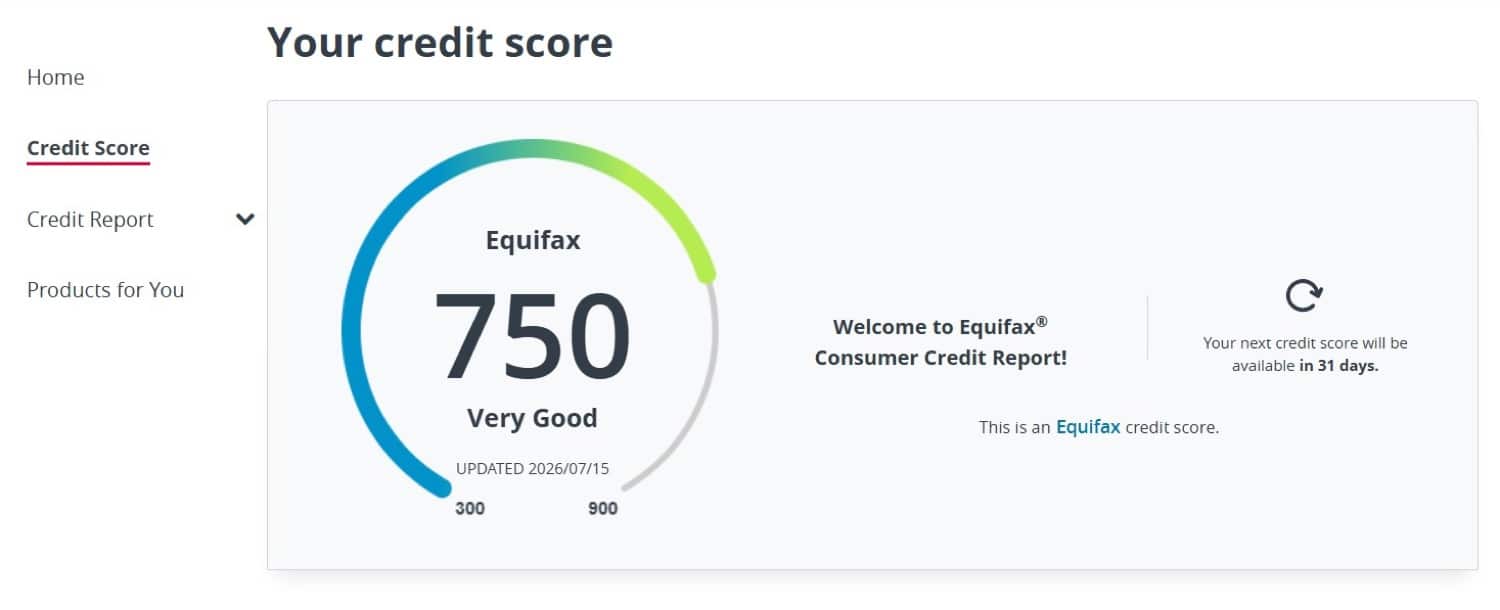
Prefer a human? Call Equifax at 1-800-465-7166 or 1-866-828-5961.
You can also apply by mail, but budget up to 30 days for that, which rather defeats the purpose. I’d also recommend sending by registered mail to ensure someone signs for it in case you ever have to complain about them not doing it as per your request.
Handily, you can temporarily suspend a freeze for a planned application instead of removing it outright.
Placing a Credit Freeze with TransUnion
For now, TransUnion freezes are a Quebec-only affair. Log into TransUnion’s online consumer portal to place or lift a freeze immediately and for free, or call 1-800-663-9980. If you’re in Ontario, this will all start applying to you in July 2027.
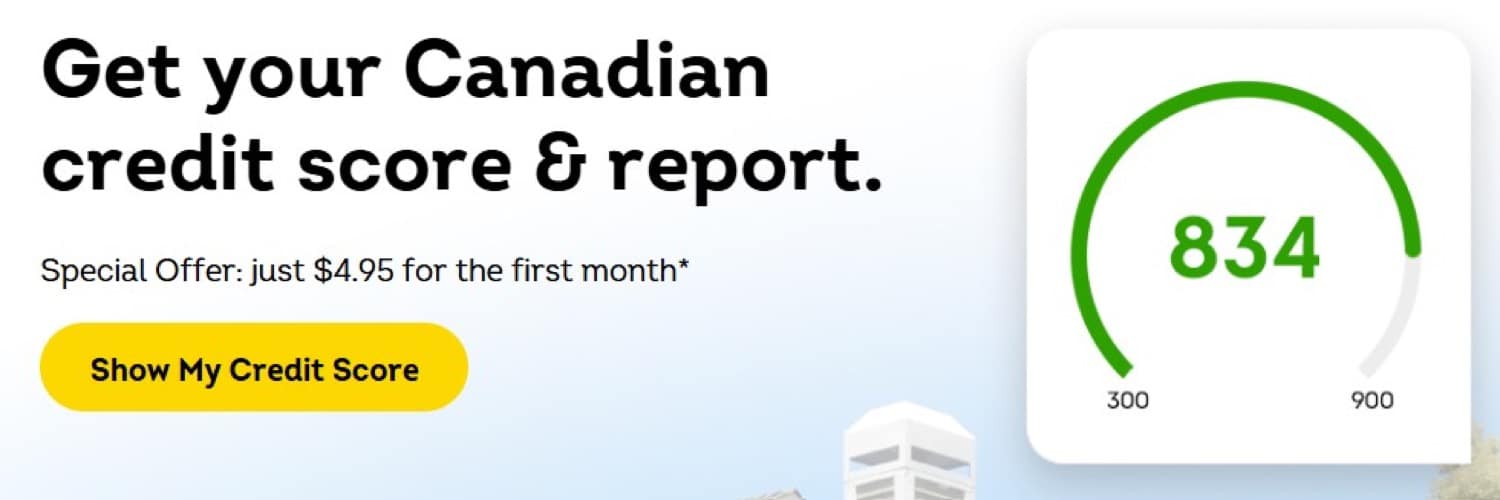
This is an area where I’d recommend calling in instead of signing up online. Why? Their online service costs $4.95 for the first month (and $24.95 thereafter) and it can be a pain in the derriere to find a way to not have to pay online.
A mail option exists with the same month-long caveat as Equifax.
Alternatives to Credit Freezes
Fraud Alerts
Anywhere in Canada, you can place a fraud alert (TransUnion calls it a “potential fraud alert”) on your file with both bureaus, free of charge. It doesn’t block access to your file; instead, it tells lenders to verify your identity, usually with a phone call, before approving credit in your name. Alerts stay on file for six years unless you remove them. It’s a speed bump rather than a wall, since it relies on the lender actually doing the verifying, but it’s the best national option we have.

Enforcement is often reported online as being spotty so this is by no means a surefire thing, but it’s better for your peace of mind if you think your data or identity have been compromised.
Credit Monitoring
Monitoring won’t stop fraud, but it will catch it fast, and it’s free. Borrowell gives you your Equifax report and score, Credit Karma covers TransUnion. ClearScore, which also covers TransUnion, rounds out the field, so watching both bureaus costs you exactly $0. By the way, we’ve compared Borrowell and Credit Karma head to head if you’re picking just one.
As we saw earlier, Equifax and Transunion bureaus themselves want to sell you monitoring subscriptions at around $24.95 a month. Compared to the price of $0, we don’t really see an advantage to it over just using Borrowell and Credit Karma.
However, if you’re feeling particularly paranoid, you can certainly sign up for the bureaus’ monitoring services or call or email them for a copy of your credit report. A sad, but ironic, reality of the Canadian landscape is that there are routinely data breaches where you receive free credit monitoring as a mea culpa by the company who leaked your data. Oopsie!
What If I’ve Been a Victim of Fraud
If fraud has happened to you or you suspect it has, act fast. Report it to your local police and the Canadian Anti-Fraud Centre (1-888-495-8501), then call both bureaus’ fraud lines to flag your file and place an alert or freeze. If your report contains accounts or inquiries that aren’t yours, or plain old errors, dispute them in writing with both the bureau and the lender involved. A clean report matters even when there’s no fraud: it’s the foundation your credit score is built on.
Enter the Dragon: the US Credit Card Game
For those of you deep enough into the hobby of miles and points, or looking to get into the game of US credit cards: freezes have been free at all three American bureaus since 2018, and they take minutes to set up. If you’ve built a US credit file, there’s little reason not to freeze it between applications. If you’re looking at getting started, we’ve got plenty of content on it here at Frugal Flyer.
Conclusion
Credit freezes are the best free anti-fraud tool Canadians have ever been offered, and it’s a little absurd that most of the country still can’t have one. They aren’t the solution to every problem, but we hope that you are now equipped to employ them should you need to, and we hope they come to the rest of the country sooner or later.
Until next time, may your credit file stay frozen to fraudsters and thawed for welcome bonuses.