
How to Get to Vancouver Island (With and Without Points)

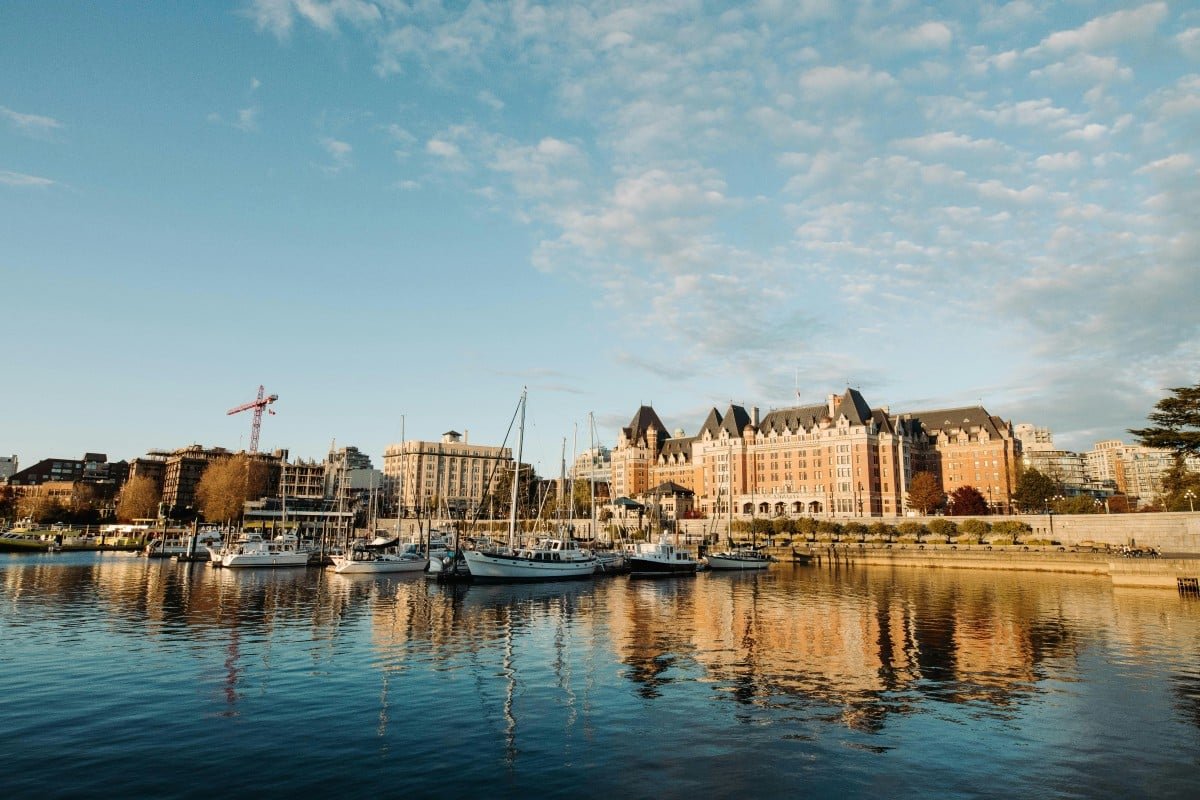
Vancouver Island is a nature-rich destination on the Western Coast of Canada, surrounded by the Pacific Ocean and the Strait of Georgia. Only becoming part of British Columbia in 1866, Vancouver Island is a scenic Canadian attraction. You can explore the island’s rich tropical rainforests or lounge on the seaside beaches. As a popular domestic getaway for Canadians, here are the various methods of getting to Vancouver Island.
Ways to Get to Vancouver Island
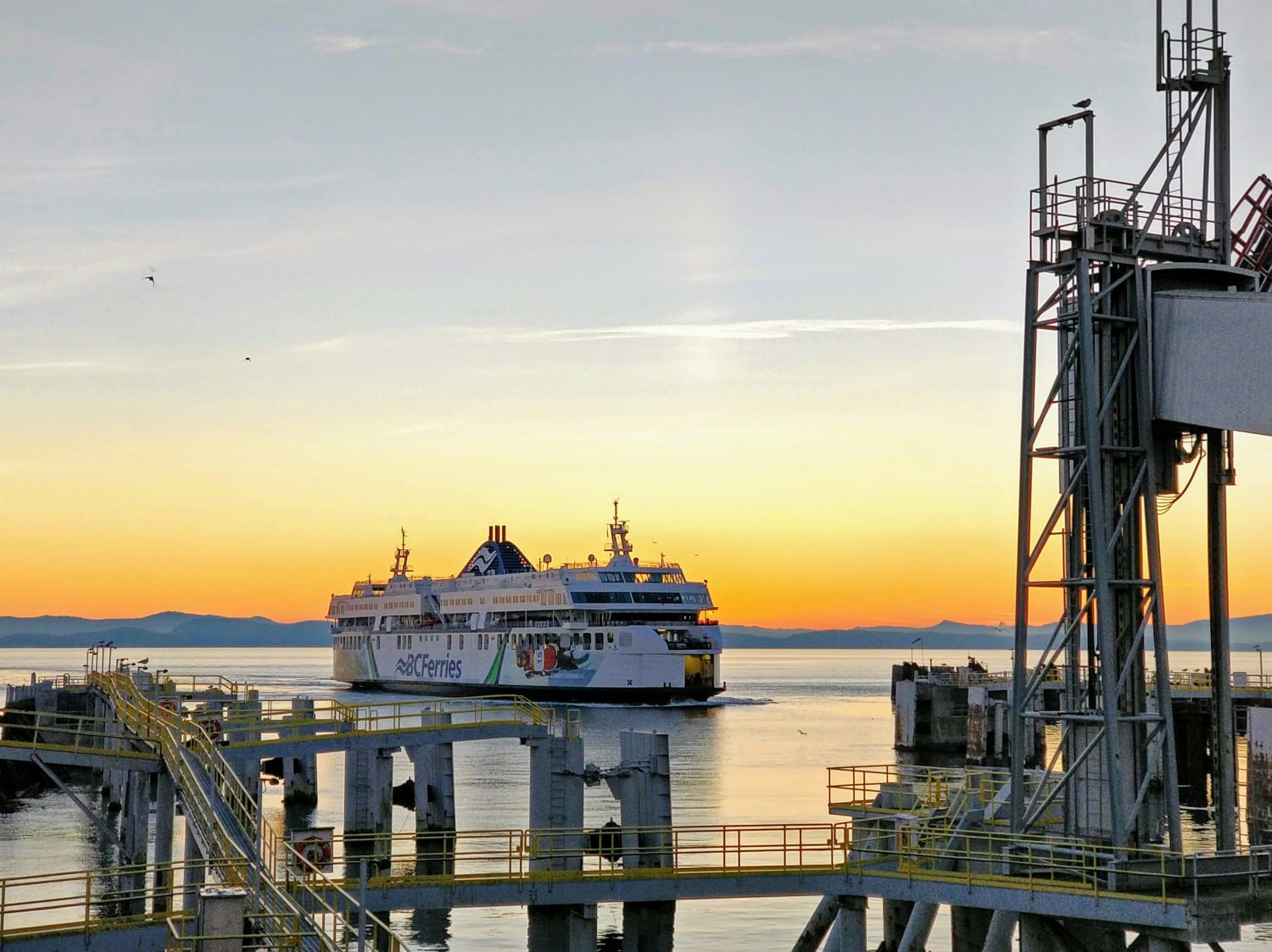
There are various ways of getting to Vancouver Island from all parts of country. This includes marine transportation, including car ferries and both land and water-based airlines. The most economical but slowest way to get to Vancouver Island would be the provincially run BC Ferries, which connect cars and pedestrians from the mainland to the island, including roll-on/roll-off ferries.
You can also get to Vancouver Island by air, with origin points including Toronto-Pearson and Montreal-Trudeau airport, or just a short hop from Vancouver, which can take just around 30 minutes. The most convenient option, and typically most expensive, would be using Seaplane or Helicopter services, which service the downtown cores of Vancouver, Victoria, and Nanaimo.
Getting to Vancouver Island by Ferry
BC Ferries Routes (Tsawwassen, Horseshoe Bay, Duke Point)
The most common way to get to Vancouver Island is through BC Ferries, a ferry service operated and funded by the BC Government. There are two ferry terminals in Metro Vancouver, one in the northwest part of the region in West Vancouver/Horseshoe Bay and one in the southwest region, in Tsawwassen.
The Horseshoe Bay terminal only services Nanaimo on Vancouver Island at Departure Bay. If you aren’t relying on a car, Departure Bay also has local bus service into Nanaimo city centre and intercity bus service to other parts of Vancouver Island.
Tsawwassen’s ferry terminal has service to both Nanaimo and Victoria area ferry terminals. It serves Duke Point in Nanaimo, which is separate from the other ferry terminal in Departure Bay. For Victoria, sailings from Tsawwassen sail to Swartz Bay.
| BC Ferries Route | At Terminal Fare / Prepaid | Saver (booked in advance) | |
| Horseshoe Bay to Departure Bay (Nanaimo) | $21 per adult $10.50 per child, 5-11 years old + $89 for a vehicle up to 20 feet (6.1m) |
$15 per adult $7.50 per child, 5-11 years old + up to $84 for a vehicle up to 20 feet (6.1m) |
|
| Tsawwassen to Swartz Bay (Victoria) | |||
| Tsawwassen to Duke Point (Nanaimo) | |||
Hullo Ferry (Fast Passenger-only Option)
Launched in 2023, the Hullo ferry disrupted the Vancouver to Nanaimo market by offering a fast service between Vancouver and Nanaimo and at a much lower cost compared to both water and land airfares. With a travel time of just 70 minutes, the terminal in Vancouver is located in the Downtown core, right next to the seaplanes. Hullo is a great economical option if you’re trying to get to the city centre of both cities. Nanaimo’s is a little further from the city centre, but a complimentary shuttle service to Downtown is provided and only takes a few minutes.
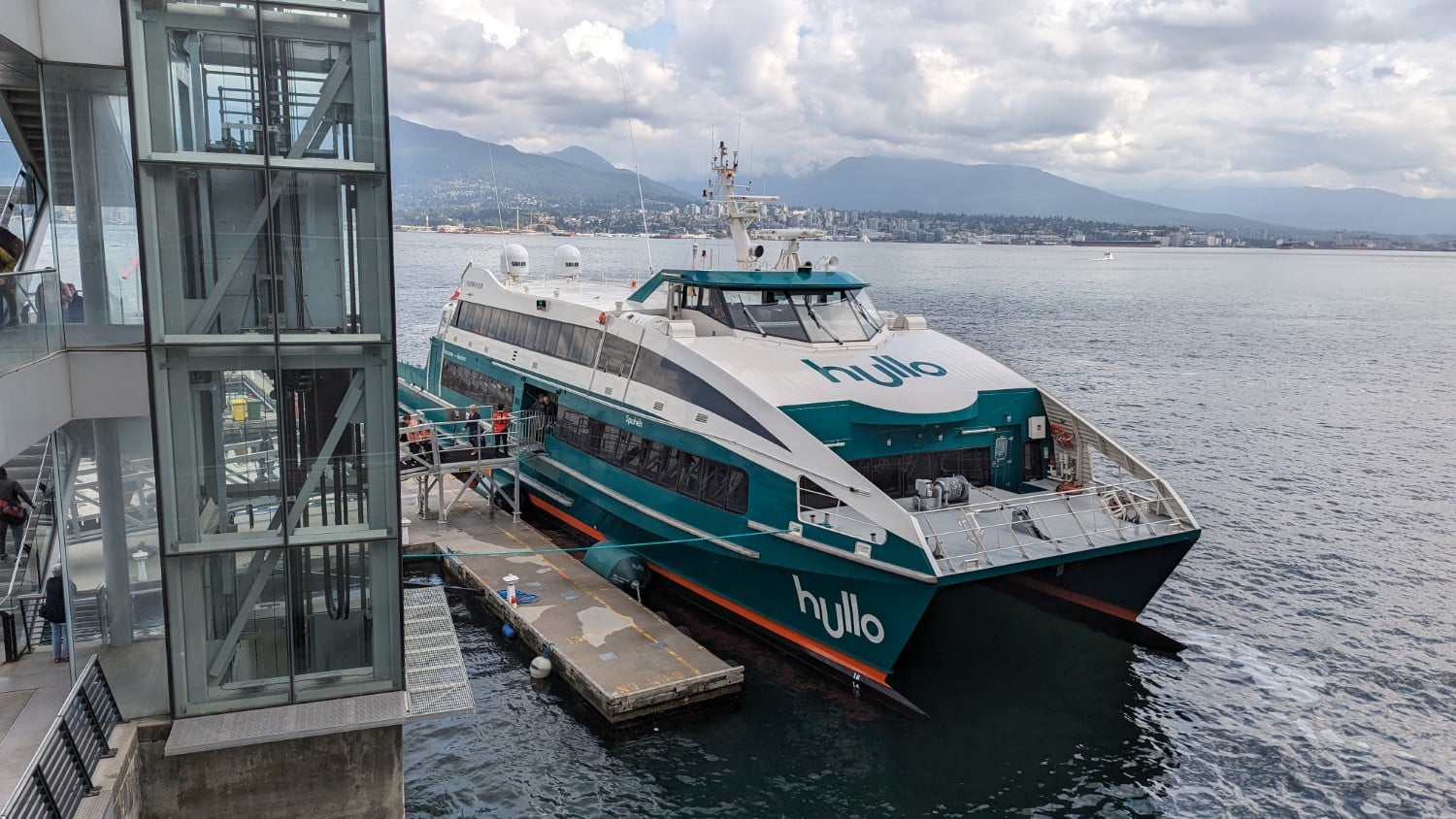
Starting June 1 2026, Hullo is changing its pricing tiers with the lowest fares starting at $19.99. In comparison, a regular adult fare on BC Ferries will cost $21 each person without a car when booking at the terminal or a prepaid fare. The only sailings that will offer the lower fare will be the 7:15 AM departure from Nanaimo, and the 5:30 departure from Vancouver, appealing to commuters between the two cities.
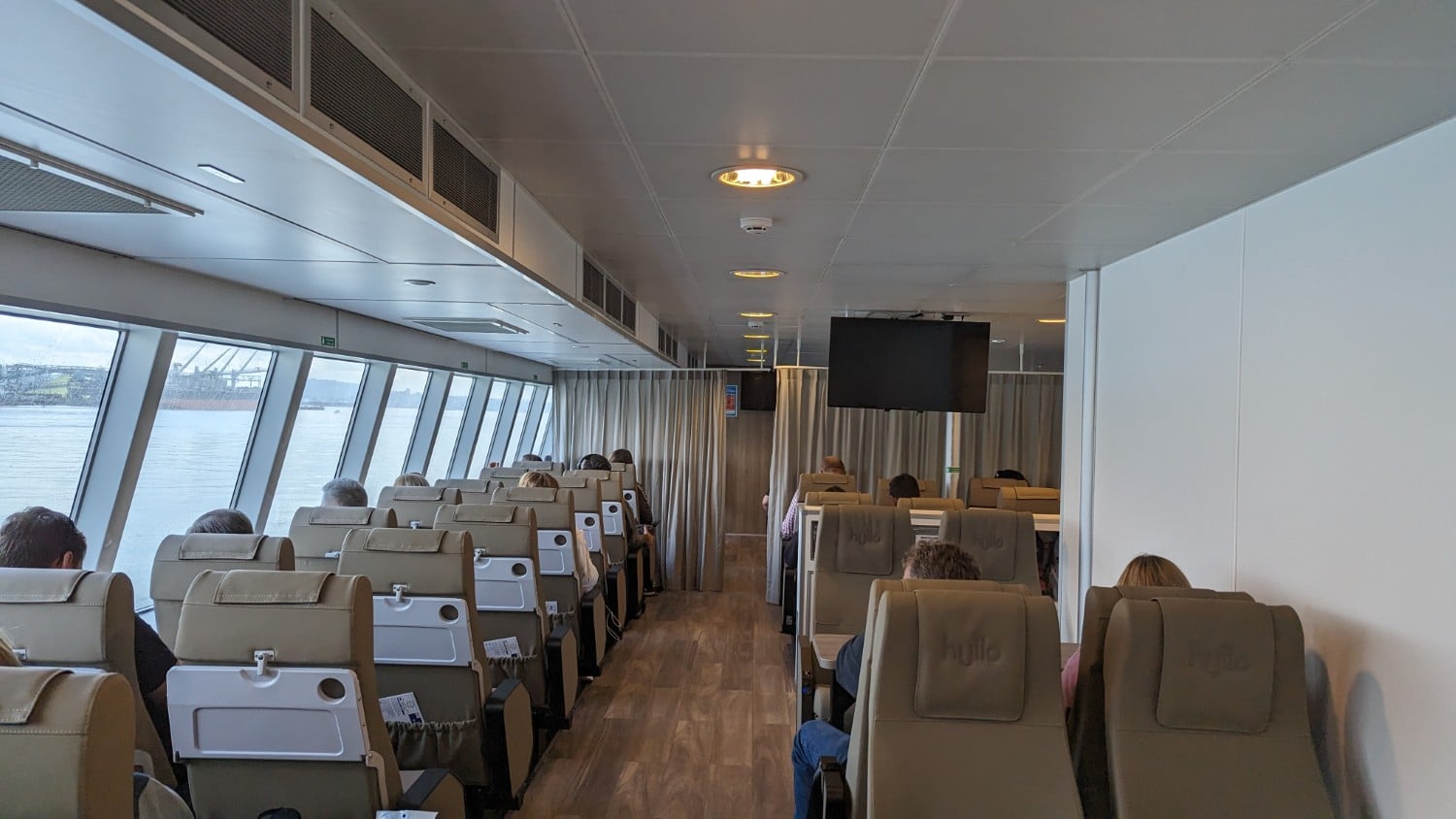
I’ve previously sailed in Hullo’s business class just months after their launch; however, with the new tier system in place, the “Business” tier is going away, but the physical seats will still be the same. This section will be renamed “Premium”, and will not provide the complimentary snack and beverage service previously provided.
| Hullo Fare Class | Fares up to May 31st, 2026 | Fares starting June 1st, 2026 |
|---|---|---|
| Business | Adults & Seniors: $59.99, $110 roundtrip
Children up to 12 years old: $49.99, $75 roundtrip |
N/A |
| Premium(up to May 31st) | Adults & Seniors: $49.99, $75 roundtrip
Children up to 12 years old: $29.99, $50 roundtrip |
Adults, Children 2-12 & Seniors: $59.99, $110 roundtrip
Infants 0-2 travel free! |
| Comfort-Flex(starting June 1st) | N/A | Adults, Children 2-12 & Seniors: $49.99, $95 roundtrip |
| Comfort | Adults: $39.99, $75 roundtrip
Children 2-12 & Seniors 65+: $19.99, $35 roundtrip Infants 0-2 travel free! |
Adults: $42.99, $81 roundtrip
Children 2-12 & Seniors 65+: $23.99, $43 roundtrip Infants 0-2 travel free! |
| Comfort-Connect | N/A | All fares: $19.99, $40 roundtrip |
Coming from the US: Black Ball Ferry Line
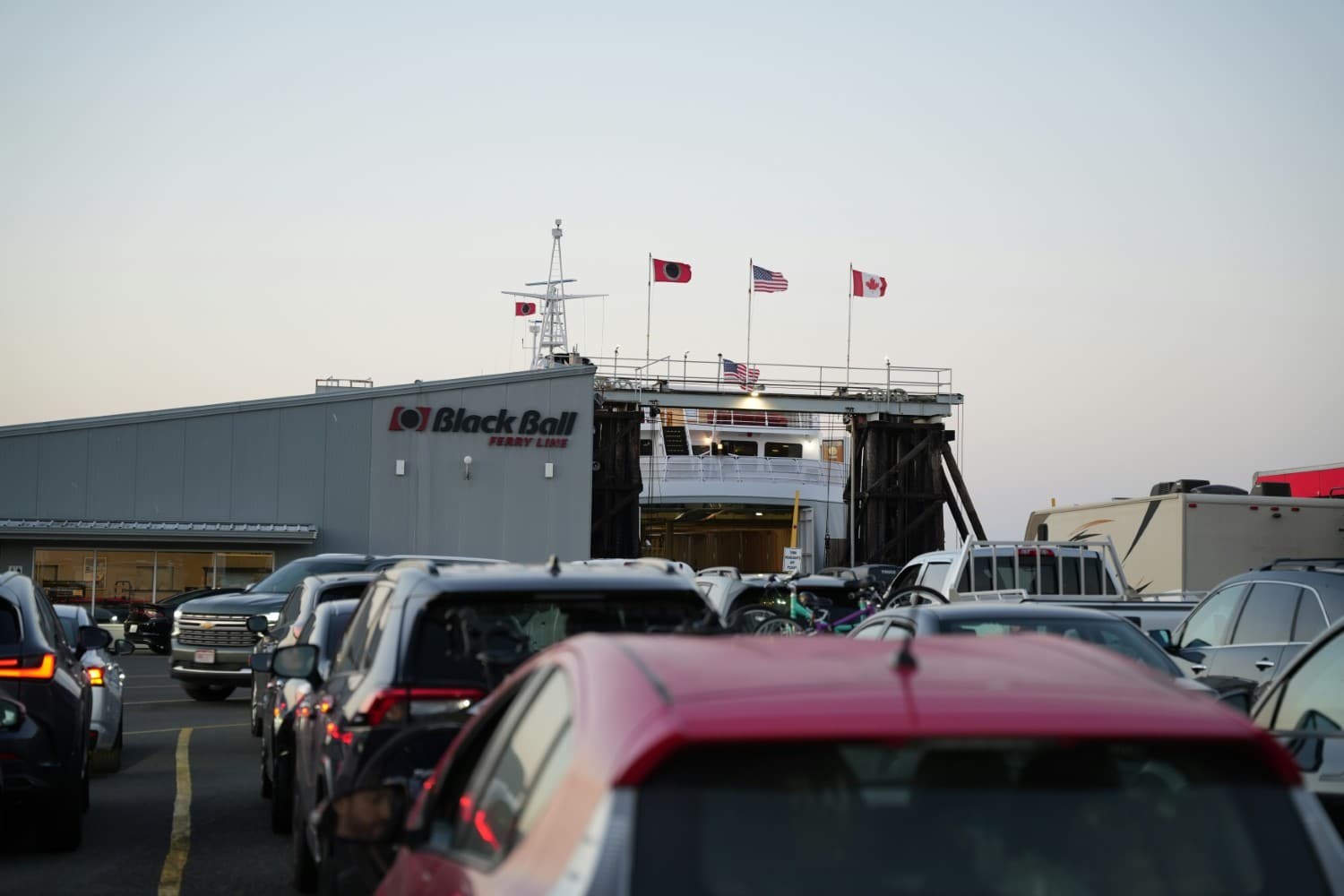
Black Ball Ferry Line offers a ferry service between Victoria Harbour and Port Angeles, Washington. Similar to BC Ferries, the boat can carry both pedestrians and cars on board. Fares are $25 USD per person, one-way. The terminal in Victoria is located in Victoria Harbour, making it a convenient connection to the downtown core.
US Immigration is done before boarding the ship, while US Customs is done upon arrival in Port Angeles. Passengers are processed like a regular land border crossing. For travellers coming back to Canada, customs are done on arrival in Victoria.
Getting to Vancouver Island by Plane
Flying into Victoria (YYJ)
The largest airport on Vancouver Island, Victoria International Airport is a gateway for travellers trying to reach Vancouver Island. With both international and cross-country service, YYJ is probably the airport most BC tourists travel to. Moreover, Victoria is British Columbia’s provincial capital, where many government employees will take advantage of Victoria Airport’s proximity to the Parliament/Legislative buildings.
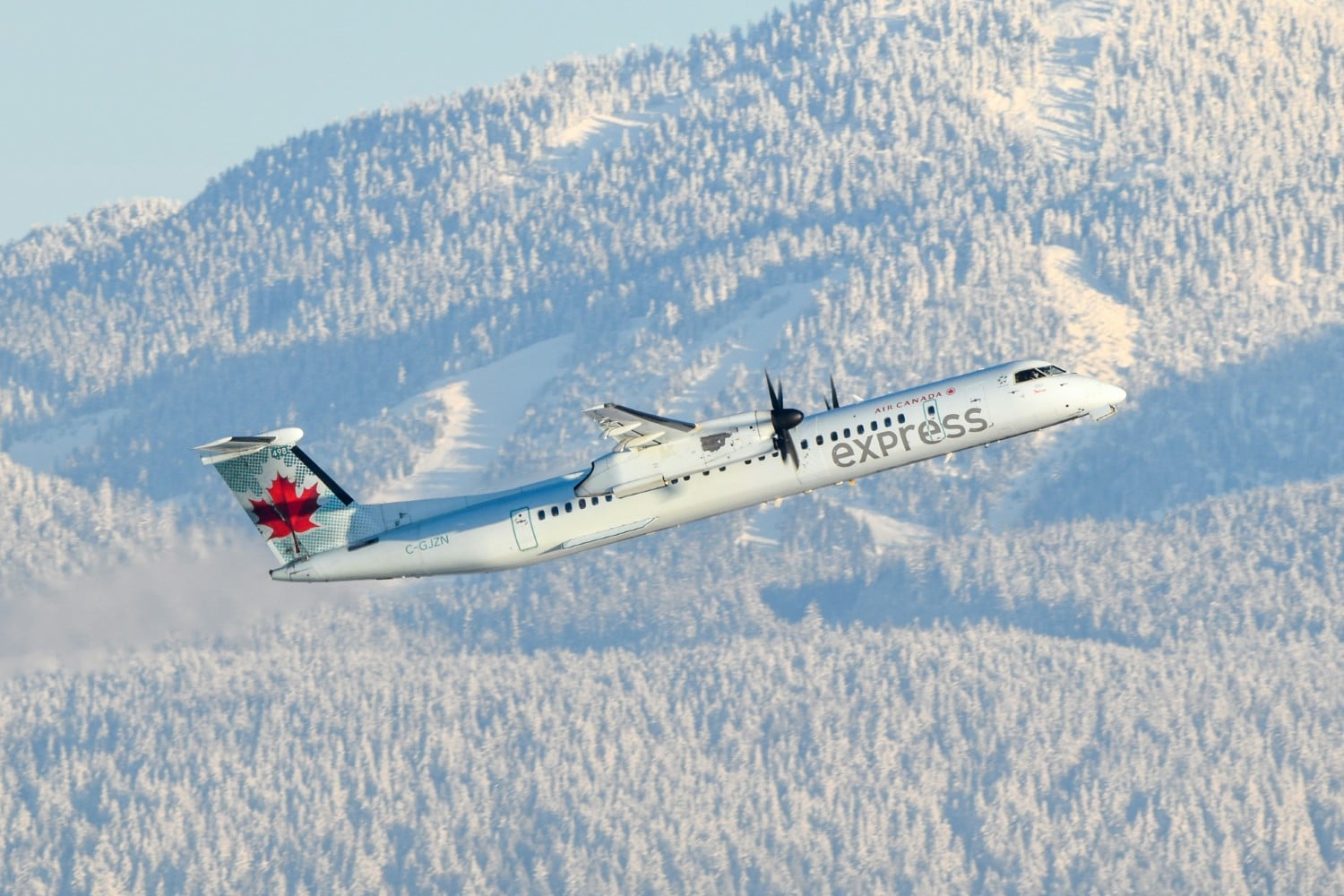
Air Canada offers the furthest domestic flights, with year-round service to Toronto up to twice a day, or a seasonal flight to Montreal during the summer months, 6 days a week, all of which utilize the airline’s largest narrowbody, the Rouge A321 with 196 seats, including 12 in Premium Rouge.
Porter also has some twice-daily services from Toronto as well, however with their E195-E2 with 132 seats per aircraft, with 16 seats in Porter Reserve. They also have flights from Ottawa to Victoria as well.
WestJet is the only Canadian airline with international service from Victoria airport, with winter seasonal service to Mexican destinations including Cancun and Puerto Vallarta. WestJet also serves its hub in Calgary, with up to 7 mainline flights per day during the summer. Edmonton also received service from Victoria up to 3 times a day. Seasonal domestic flights also include Winnipeg and Encore service to Kelowna.
Smaller regional airlines, such as Pacific Coastal and Air North, also serve Victoria from smaller airports, including Prince George and Whitehorse. They both also have service to Vancouver as well, though with Air North, it can be stitched in on the way back from Whitehorse.

Harbour Air has introduced wheeled flights between Vancouver and Victoria Airport as well. Unlike their seaplane fleet, these flights are able to fly later and in more variable winter conditions with the use of in-flight instruments, unlike visual flying with the Seaplane flights.
Other Major Airports
Nanaimo (YCD) is Vancouver Island’s second-largest city, with its own airport to support the surrounding population. Service from YCD is less frequent than Victoria, with Edmonton as the furthest destination served by WestJet Encore, just three times a week during the summer. The majority of flights are funneled into Vancouver International Airport (YVR) by a combination of Air Canada, WestJet, and Pacific Coastal.
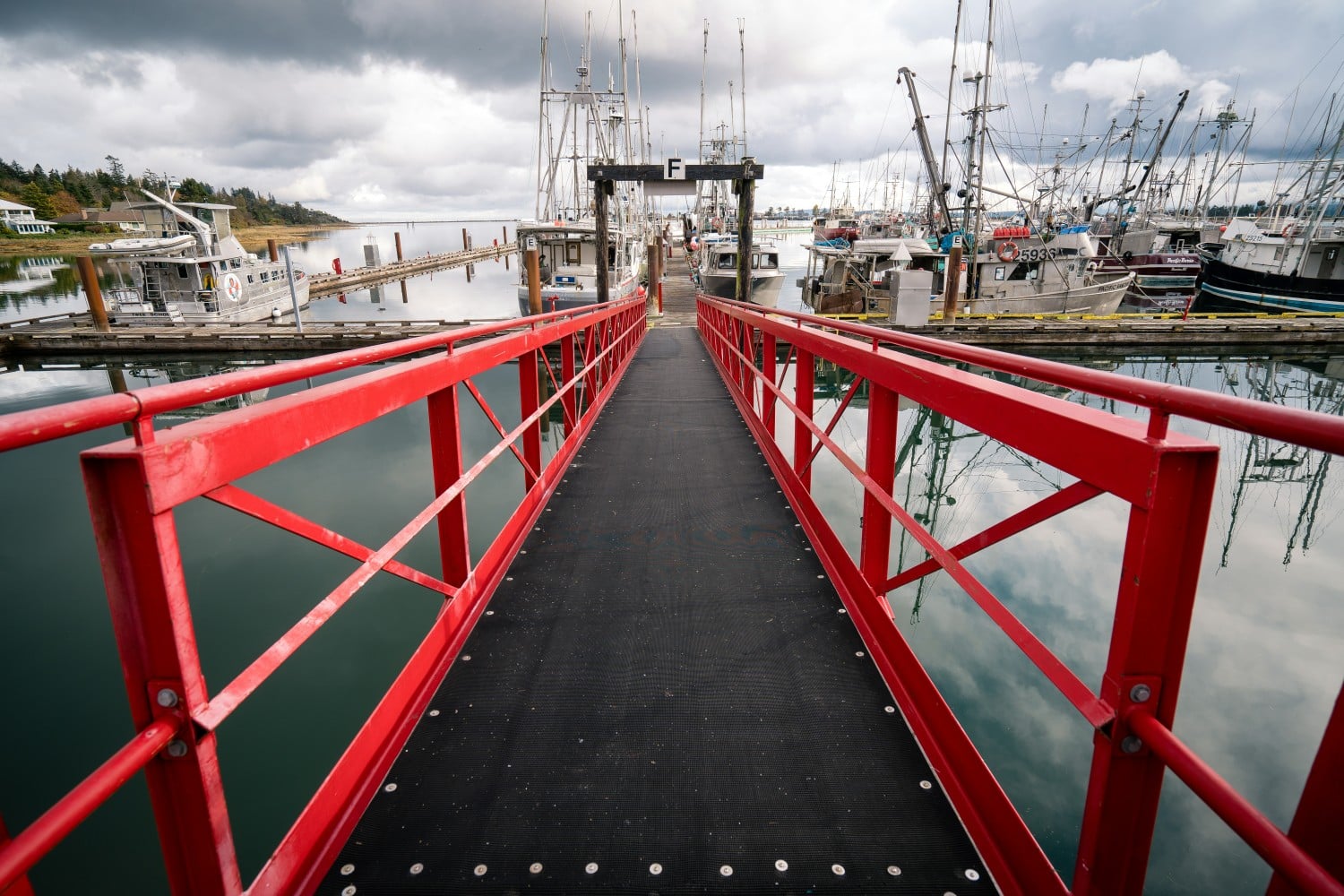
CFB Comox (YQQ) acts as the hub for communities on northern Vancouver island, with similar regional flights as Nanaimo’s airport. Although it runs as a major air force base, commercial passenger airline service at YQQ has seen some variety, with WestJet announcing weekly service to Toronto Pearson starting in June 2026.
Floatplanes and Helicopters from Vancouver
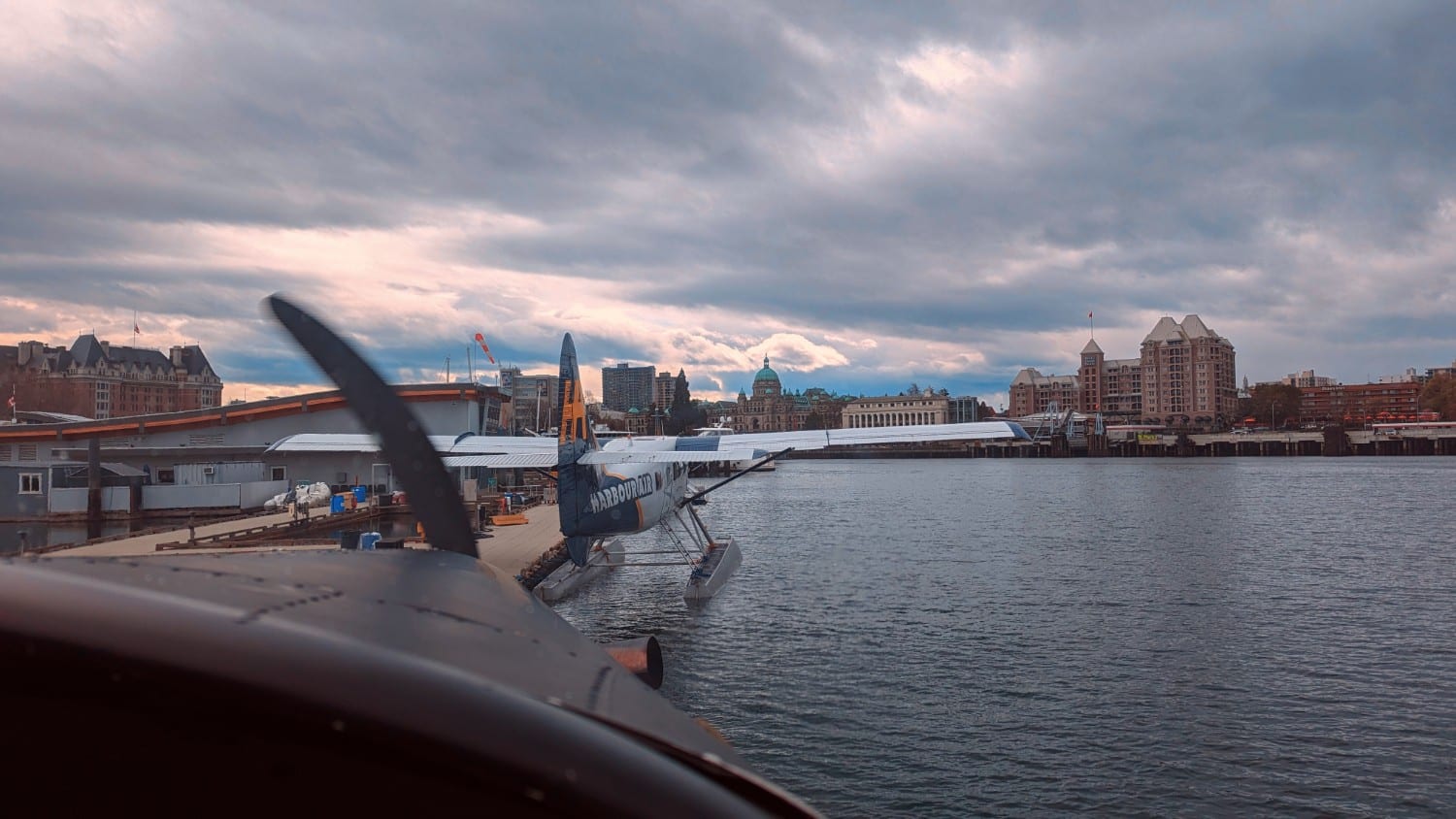
Floatplanes and Helicopters offer the most convenient and unique ways to get between the mainland and Vancouver Island. Harbour Air and Seair both provide seaplane service between Vancouver Harbour and Victoria or Nanaimo Harbours, with flight times of just 30 or so minutes. Similarly, Helijet offers a helicopter service from harbour to harbour.
Harbour Air serves the most communities on Vancouver Island out of all the air options, including Tofino, Ucluelet, Campbell River Harbour, and Comox Harbour. Harbour Air also offers a Victoria to Seattle floatplane service as well, competing with Kenmore Air, a Seattle-based airline.

Getting to Vancouver Island Without a Car
Walk-On Ferry + Bus Options
The most economical way to get between Vancouver Island and the mainland is by taking public transit and BC Ferries. This will also be the slowest way, with journey times as long as 4.5 hours end to end.
For Victoria, if you’re coming from Downtown Vancouver, you would have to take the Canada Line down to Bridgeport to catch the 620 bus. The 620 will take you straight to the Tsawwassen Ferry Terminal, where you take the ferry to Swartz Bay. After arriving in Swartz Bay, you can take the 70X bus right down to Downtown Victoria.
The price for this method would be around $4.85 (Canada Line + 620/TransLink) + $21.00 (Ferry) + $3 (70X/BC Transit) = $28.85. Pricing can be lowered in various ways, including the use of a Compass Card for transit in Metro Vancouver or purchasing a pre-paid Saver ferry fare online for as low as $15.00.
If you’re trying to get to Nanaimo on a budget, you can take the 257 from Downtown to the Horseshoe Bay Ferry Terminal. From there, take a ferry to Departure Bay and then either the 20/20A, 25 to Downtown. The price in total would be $3.35 (257/TransLink) + $21.00 (Ferry) + $2.75 (20/20A/25/BC Transit) = $27.10.
Pricing can be lowered by using a Compass Card for transit in Metro Vancouver or purchasing a Saver fare online for just $15 for the ferry with a time of around 3.5 hours. Though, for a cheaper and faster service, Hullo Ferry launched $19.99 tickets for select ferry sailings between Vancouver and Nanaimo harbours.
BC Ferries Connector Coach Service
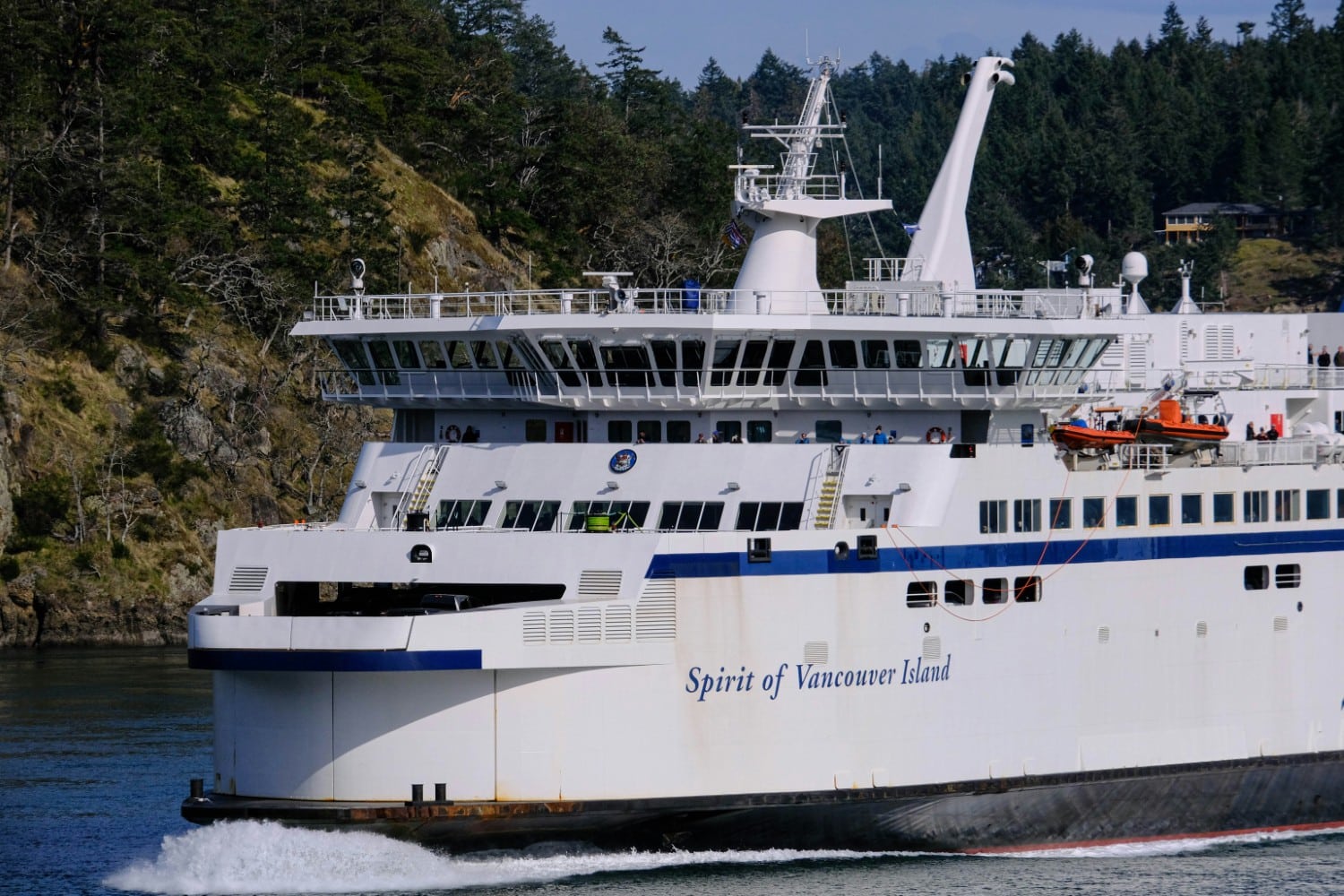
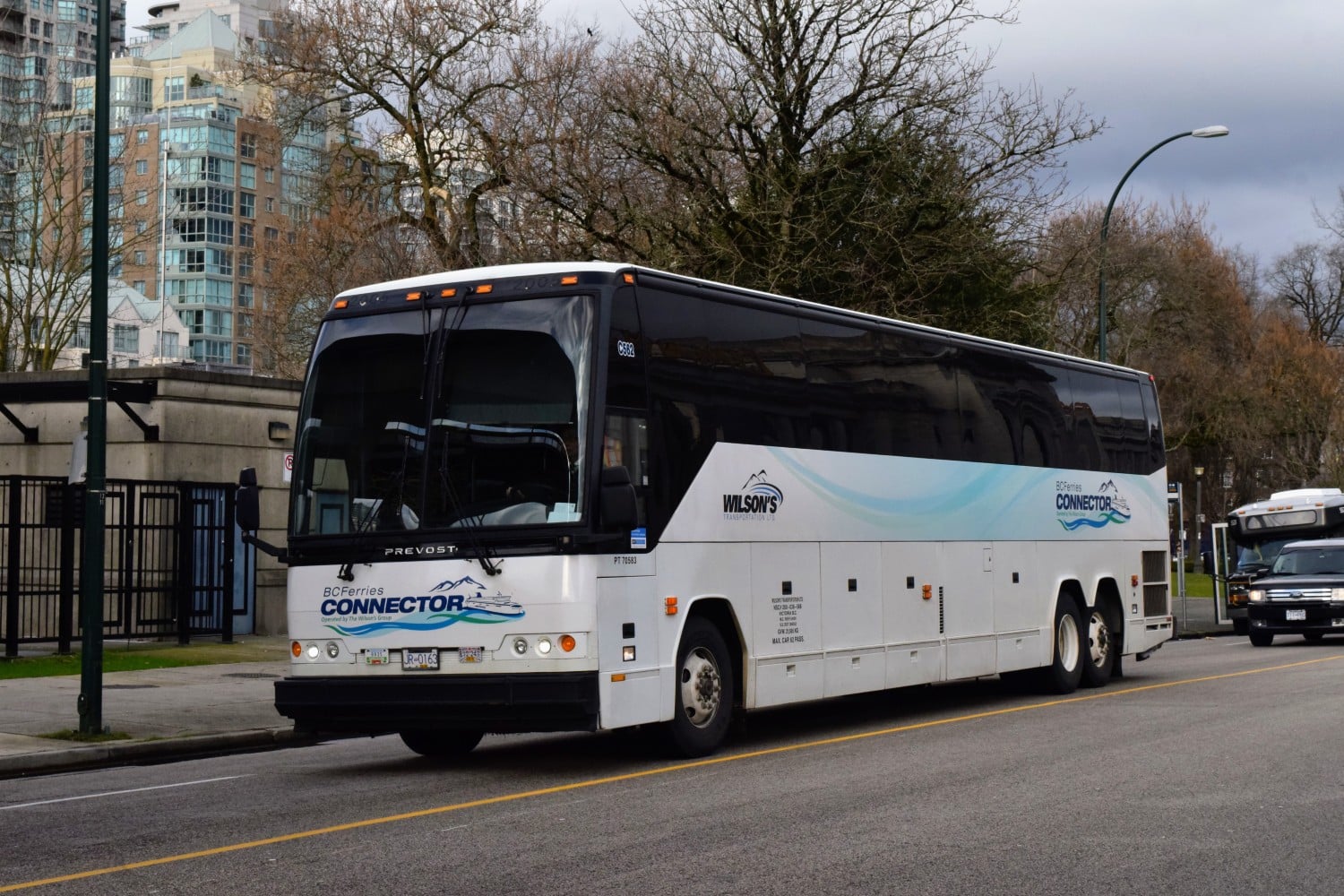
If you have lots of luggage to bring with you or want less hassle, there is a coach bus service that connects Victoria’s downtown with YVR Airport, Downtown Vancouver hotels, Canada Place Cruise Terminal, and even Pacific Central, Vancouver’s main intercity bus terminal.
The total trip time is around 4 hours with tickets priced at $66.75 for a regular adult fare between Vancouver/Pacific Central and Downtown Victoria. There are also discounts for BC Seniors, Residents, and Post-Secondary students as well.
How to Get to Vancouver Island With Points
Using Aeroplan for Flights
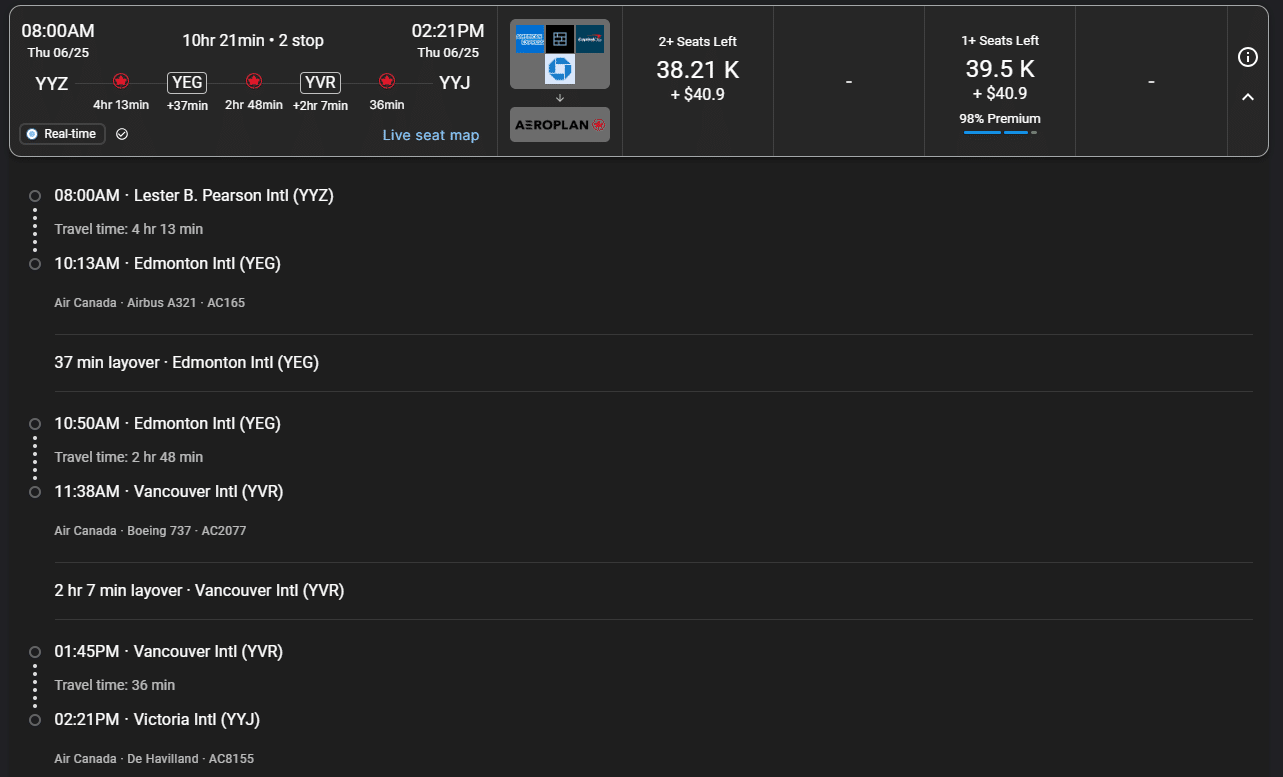
For Aeroplan members, the average redemption for Vancouver Island can start at 24,000 for an Economy ticket and 42,000 points for a Business redemption, both for non-stop flights from Toronto-Pearson to Victoria onboard Rouge. Though, most itineraries will have Vancouver as a stop-over along the way, typically for a little less in points.
Harbour Air and Helijet recently announced they were partnering with Aeroplan. However, details about redeeming your points for their flights have not been released yet.
Using Save-On Foods MoreRewards for a BC Ferries Voucher
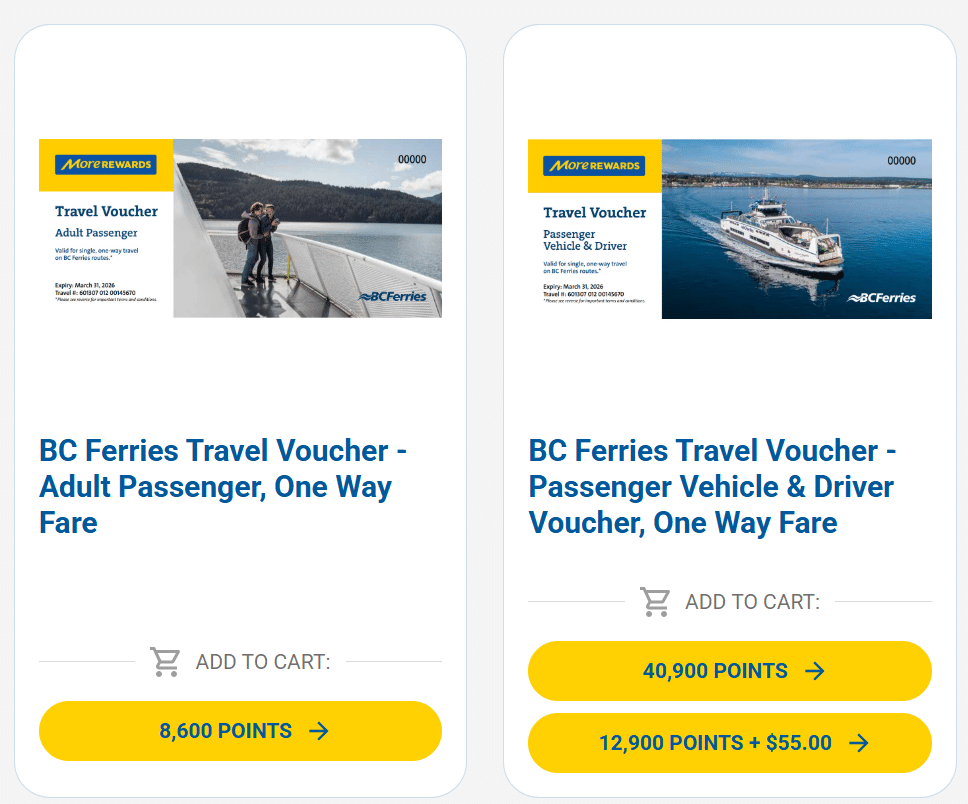
More Rewards offers the ability to redeem points for BC Ferries travel vouchers. A typical More Rewards redemption at a grocery store comes at a rate of 10,000 points per $15. For 8,600 points, you can redeem them for more value versus using them for groceries. Instead of spending 10,000 points for $15 worth of groceries, you can use 8,600 points for a ferry ticket with a value of $21.
Best Credit Cards for Earning Points
For overall spending and points earning, the fan-favourite American Express Cobalt Card will take care of most travel needs, getting to and around Vancouver Island. With 5x points back on groceries and dining out, there is no doubt that this will be your best points-earning companion.
BC Ferries is coded as transportation; however, one card in particular gives you the best in terms of value back from spending on both public transit and the ferries. The Vancity enviro VIsa Infinite Card is a BC resident exclusive card with an earning rate of 5 Vancity Rewards points per $1 spent on ferries and public transit. Additionally, Vancity offers 10x on local businesses, including Modo, a car-sharing service with vehicles available in Metro Vancouver, Nanaimo, and Victoria.
Using Points for Hotels on the Island
Premier hotel chains such as Marriott and Hilton have very few properties on the Island, with Victoria bearing 4 Marriott properties and 1 Hilton property, while Nanaimo just has a Courtyard by Marriott. Hyatt has a summer-only Mrs & Mrs Smith property called Clayoquot Wilderness Lodge that can only be accessed by boat or seaplane.
In terms of point redemptions, the Marriott properties don’t really have a great point redemption value at all. You’re looking at a minimum of 31,000 points in exchange for a $283 CAD cash rate. Two properties in Downtown Victoria are priced around $500 per night, with redemptions around 50,000 points per night, which is slightly better.
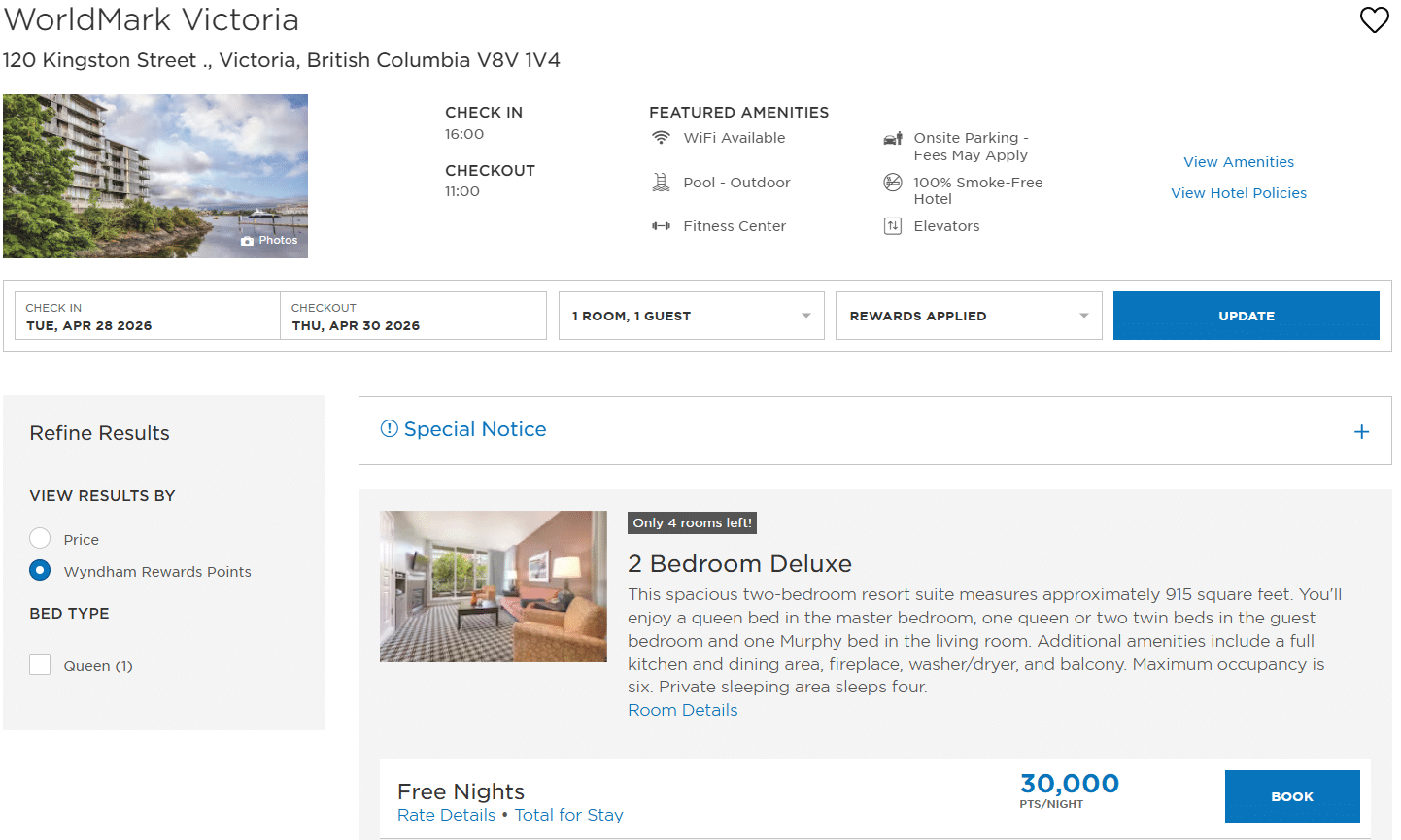
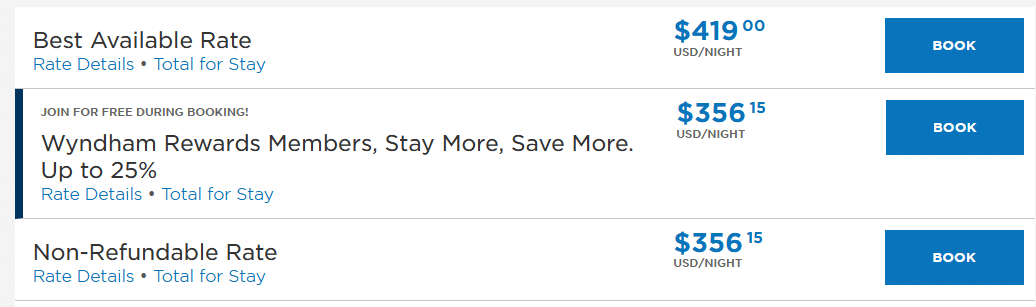
Taking the big 3 hotel programs out of the picture, Wyndham Rewards actually has a decent redemption value for some properties on Vancouver Island. For WorldMark Victoria, a resort property along Victoria’s Harbour, you can redeem 30,000 points instead of paying $356.15 USD as a rewards member.
Which Option Is Right for You?
Best for Budget Travelers
The most frugal option would be to take public transit and BC Ferries to the island for just $30 one way.
There are additional discounts, such as free rides on BC Ferries on sailings between Mondays and Thursdays for BC residents who are 65 years or older, in possession of their BC Services Card. If you do qualify for the discount, your total from Vancouver to Victoria could be just $6.60, only paying for transit in Vancouver ($3.30) and the bus in Victoria ($3). Similarly in Nanaimo, your total cost would be $5, $2.25 for the bus to Horseshoe Bay north of Vancouver, and $2.75 for the bus in Nanaimo.
As mentioned earlier, Hullo is changing their pricing tiers, with select sailings offering a $19.99 fare. These are only available through online bookings on a first-come-first serve basis. Moreover, $19.99 would be cheaper than the overall cost of getting to Nanaimo via public transit and the ferries, which would be around $27.10, including the cost of getting to and from the ferry terminals from each city’s downtown.
Best for Speed
The best, and my favourite way of getting between Vancouver Island and the mainland is taking either a seaplane or a helicopter service. Harbour Air offers quite a variety of Vancouver Island destinations from Downtown Vancouver. Moreover, there’s no need to travel all the way to the airport or go through an airport security checkpoint.
The Hullo Ferry is not a bad option either, reaching either terminal in just 70 minutes, which is still faster than the 90 minutes it would take on a BC Ferries sailing.
Best for Points Redemption
If you’re coming from across the country or internationally, getting to Vancouver Island using your Aeroplan points would be the best for points redemptions. Flights from Toronto, both connecting in Vancouver and non-stop, hover around 24,000 Aeroplan points. You can find some domestic Business Class redemptions for about 40,000 points.
If you’re planning on taking BC Ferries, be sure to check out the More Rewards redemptions for ticket vouchers.
Conclusion
Getting to and from Vancouver Island is an adventure in itself, whether you live nearby in Metro Vancouver, or if you’re visiting from across the country. Attractions such as the Malahat Skywalk, Old Country Market with goats on the roof, and the island’s abundance of Provincial Parks and forests make it a bucket list destination for adventurous travellers.