IATA AGM 2026: Why China’s Aviation Story Is Becoming One of the Most Important in the World | News

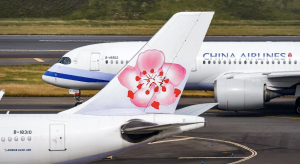
For years, the aviation industry’s centre of gravity has been slowly moving east.
At this year’s IATA Annual General Meeting in Rio de Janeiro, that shift felt less like a prediction and more like a reality.
While much of the discussion around Europe focused on regulation, taxation and competitiveness, the conversation around North Asia centred on growth, digital transformation and the emergence of China as a force that is increasingly shaping the future direction of global aviation. According to IATA’s Regional Vice President for North Asia, Xie Xingquan, the region’s story is no longer simply about recovery. It is about scale, influence and transformation.
The numbers alone explain why.
China now accounts for approximately 30% of global domestic air traffic, operates 249 airports with scheduled services, has expanded its route network by 64% over the past decade and generated roughly $115 billion in airline revenue during 2025.
Yet the most significant development may not be the size of China’s aviation market.
It may be how rapidly the country is redefining what an aviation market can become.
The giant still has room to grow
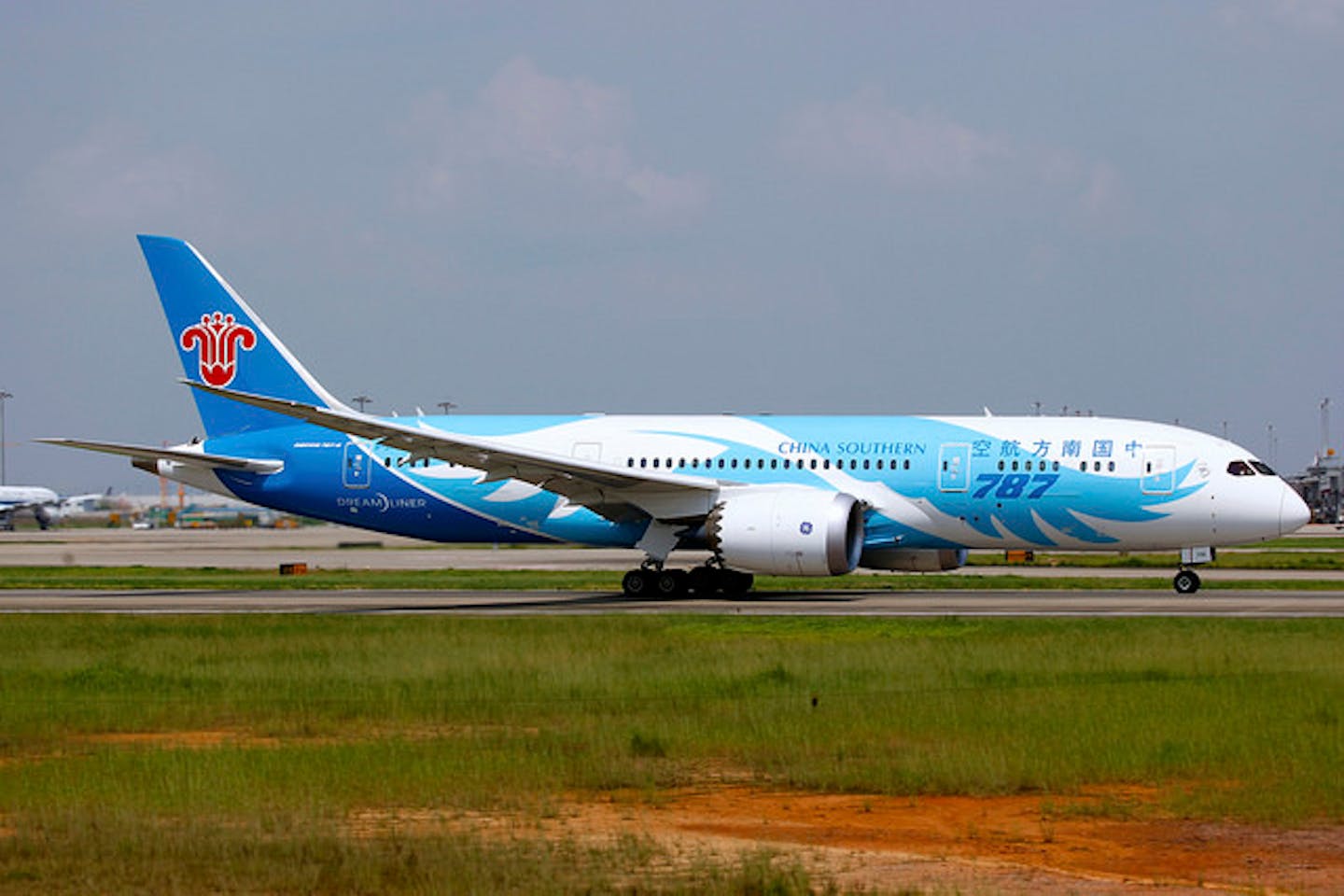
Most mature aviation markets dream about finding new passengers.
China still has hundreds of millions waiting to take their first flight.
IATA estimates that approximately 900 million people in China have never travelled by air. Even after decades of growth, aviation penetration remains far below its long-term potential.
That helps explain why industry leaders continue to view China as one of aviation’s most compelling long-term growth stories.
Domestic traffic continues to expand steadily, growing by 4.7% during 2025 and cementing China’s position as the world’s second-largest domestic aviation market. Chinese domestic traffic now represents around 83% of the size of the US market, a remarkable achievement considering where the country stood just two decades ago.
International recovery is also gathering pace.
China welcomed 35.17 million international visitors during 2025, representing growth of more than 30% year-on-year following the relaxation of entry policies. Visitor spending grew even faster, increasing by more than 39%.
Yet one notable gap remains.
China-North America traffic has recovered to only 58.9% of pre-pandemic levels, illustrating how geopolitics continues to shape aviation flows even as other markets rebound.
The world’s biggest aviation experiment in digitalisation

The most fascinating part of the North Asia briefing was not about aircraft, airports or routes.
It was about payments.
China has quietly become one of the most advanced digital consumer economies on the planet, and aviation is increasingly being reshaped by that reality.
Mobile payment penetration now approaches 90%. More than 230 million digital yuan wallets have been created, supporting transaction volumes exceeding RMB16 trillion.
For airlines, this changes everything.
Passengers increasingly expect wallet-based payments, biometric verification, instant checkout and app-driven services. Airlines are no longer competing solely against other airlines when it comes to customer experience. They are competing against Alibaba, Tencent, food delivery platforms, mobility apps and digital banking services.
That distinction matters.
Around the world, airlines have spent years discussing retailing transformation. In China, it is already happening.
More than 30 airlines and travel aggregators are accelerating retailing initiatives, while carriers increasingly view themselves as digital commerce platforms capable of selling ancillary products, bundled services and third-party offerings alongside flights.
An emerging trend attracting particular attention is cross-selling between competing airlines, a concept that would have seemed improbable in many markets only a few years ago.
The implication is profound.
The next battleground in aviation may not be network size. It may be ecosystem participation.
As IATA noted, the competitive question increasingly revolves around whether airlines can integrate into broader digital environments featuring trusted payments, seamless retailing and frictionless customer journeys.
The rise of the C919
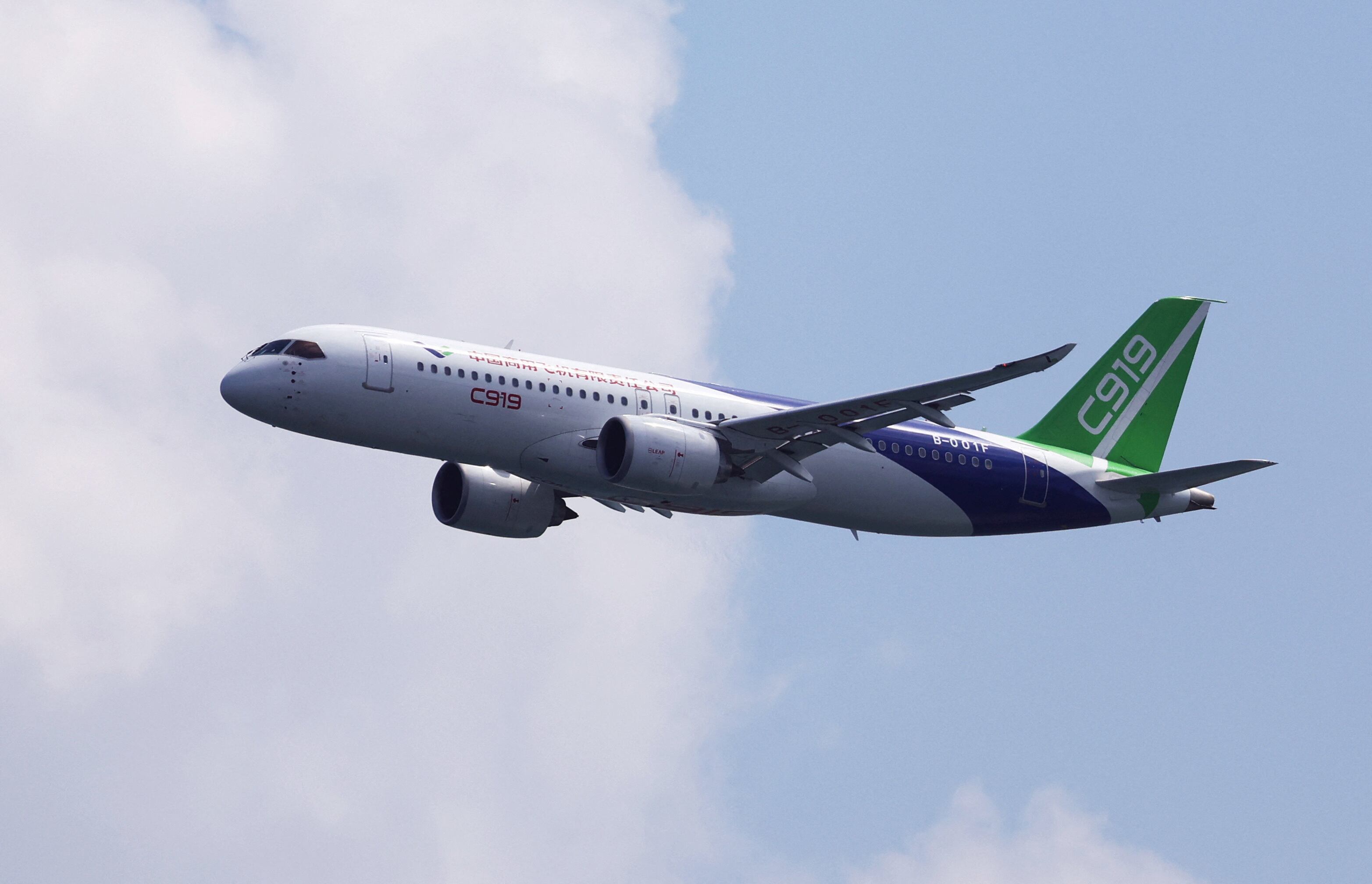
Every major aviation market eventually seeks industrial independence.
China is pursuing it through the COMAC C919.
By the end of 2025, China had 220 domestically produced COMAC aircraft in operation, including 31 C919s. While those numbers remain small relative to Boeing and Airbus fleets, they represent a significant milestone in China’s long-term aerospace ambitions.
IATA describes the aircraft as injecting “new vitality” into China’s aviation sector.
The significance extends beyond fleet planning.
The emergence of a credible third global aircraft manufacturer has the potential to reshape competitive dynamics across the aerospace sector over the coming decades.
For airlines, additional choice is welcome.
For established manufacturers, it introduces a new long-term competitor with the backing of one of the world’s largest aviation markets.
High-speed rail remains aviation’s toughest competitor
Despite the optimism, China’s airlines face real challenges.
The most obvious arrives not from another airline, but from the railway station.
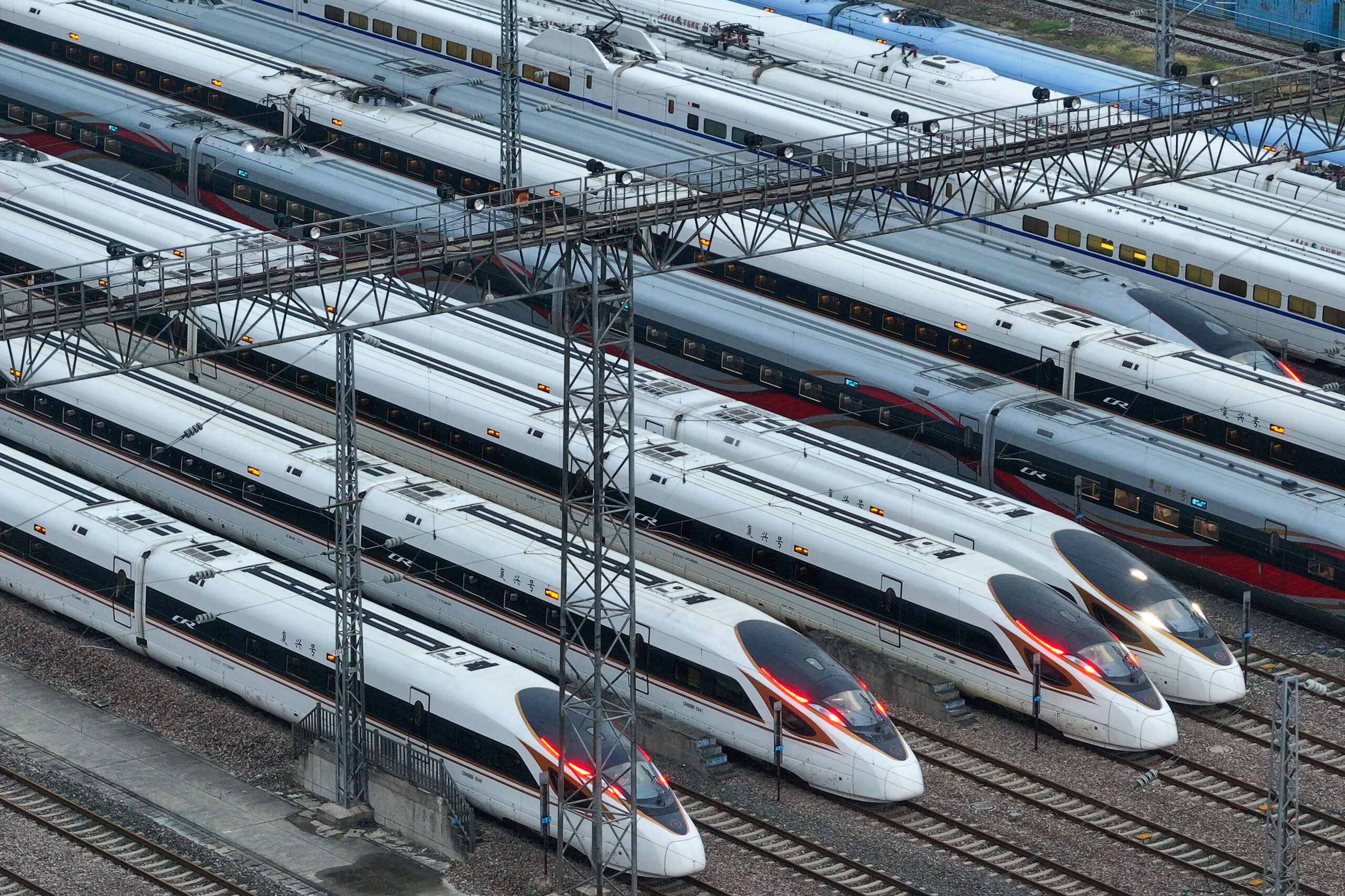
High-speed rail has firmly established itself as the preferred mode of transport for journeys of up to 800 kilometres and is increasingly expanding into longer-distance markets.
Few countries have developed rail infrastructure at the scale China has achieved.
For many travellers, rail offers city-centre to city-centre convenience, fewer security procedures and increasingly competitive journey times.
The impact is visible in airline economics.
Although passenger volumes continue to rise, yields remain under pressure. According to IATA, the Chinese market continues to exhibit a pattern of “high passenger numbers but low revenue”, as airlines pursue volume growth at the expense of pricing power.
It is a challenge familiar to many fast-growing markets.
Growth is abundant.
Profitability is harder to find.
Safety remains the foundation
If growth drives the headlines, safety remains the industry’s core measure of success.
North Asia continues to deliver some of the strongest safety performance anywhere in the world.
The region recorded just 0.16 accidents per million sectors during 2025, matching the previous year’s performance and outperforming its own five-year average. IATA attributes this success to strong regulatory oversight, sustained investment, rigorous training and a culture that places safety at the centre of operational decision-making.
It is an achievement that often receives less attention than passenger growth or aircraft orders.
Yet it may be the region’s most important competitive advantage.
Sustainability’s next chapter could be written in Asia

One of the most consequential announcements emerging from the North Asia briefing concerned sustainability.
China appears increasingly likely to participate fully in CORSIA, aviation’s global carbon offsetting framework, from 2027. Russia is expected to follow a similar path.
This matters because it strengthens the industry’s preference for a single global carbon framework rather than a patchwork of regional schemes.
At the same time, China is rapidly scaling Sustainable Aviation Fuel production.
The country currently has around ten SAF producers operating facilities and expects production capacity to exceed two million tonnes by the end of 2026. New production pathways, including synthetic e-fuels, are also being developed.
The upcoming Five-Year Plan is expected to include new sustainability measures and SAF targets, potentially accelerating China’s emergence as a major player in global aviation decarbonisation.
For an industry searching for affordable pathways to net zero, those developments will be watched closely.
A new aviation model is emerging
The traditional narrative around Chinese aviation focused on scale.
Scale still matters.
But it no longer tells the whole story.
The market now combines massive domestic demand, expanding international connectivity, digital payment ecosystems, biometric travel, retailing innovation, indigenous aircraft manufacturing and rapidly developing sustainability infrastructure.
In many respects, China is becoming a laboratory for the future of aviation.
Some experiments will succeed. Others will not.
But what happens in North Asia increasingly matters far beyond North Asia itself.
The aviation industry spent much of the past century looking west for innovation and leadership.
The conversations in Rio suggested that, increasingly, it may need to look east as well.
The question is no longer whether China will influence the future of aviation.
The question is how much of that future will be shaped there first.