ISLAND OF ARUBA RECOGNISED AS UNESCO BIOSPHERE RESERVE | News


Aruba has been designated a UNESCO Biosphere Reserve, and in a distinction that sets it apart from almost every other recipient of this status, the entire island has been recognised. Every beach, reef, desert landscape, national park and community in Aruba now sits within one of the world’s most prestigious environmental designations, placing it among just two island nations to have their entire territory designated as a UNESCO Biosphere Reserve.
The designation was announced by UNESCO on World Environment Day to mark the 55th anniversary of the World Network of Biosphere Reserves, with Aruba among 14 new reserves named across 14 countries. It was one of only three nations to receive their first-ever biosphere reserve as part of this announcement, and the only one where the designation covers the island in its entirety.
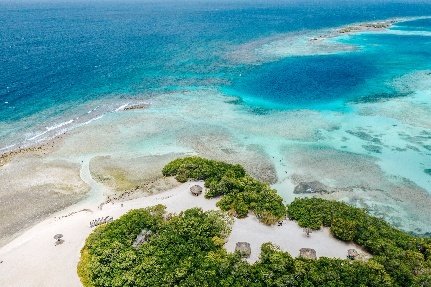
For British travellers, the designation adds a new and compelling dimension to an island already celebrated for its natural beauty. Biosphere reserves are not simply protected areas, they are living landscapes where conservation, scientific research and sustainable ways of living coexist alongside communities. Aruba’s designation recognises not only the ecological value of its coral reefs, desert terrain and marine ecosystems, which support more than 30 endemic and vital breeding grounds, but the island’s long-standing commitment to responsible, low-impact tourism. The recognition follows years of collaboration between the government, conservation organisations, academic institutions and the tourism sector to create a shared vision for Aruba’s sustainable future.
A UNESCO Biosphere Reserve is one of the world’s most prestigious international designations for sustainable development and biodiversity conservation. The network, which now spans 797 sites across 145 countries, functions as a global system of living laboratories for sustainable development, helping to address climate change, protect biodiversity and support communities that depend on their natural environment. Unlike a national park or marine protected area, a biosphere reserve is specifically designed to show that people and nature can thrive together, making it a designation that speaks directly to the growing number of travellers who want their holidays to leave the world in better shape than they found it.
For Aruba, it also affirms what the island’s landscape has always offered: Arikok National Park, covering roughly 20 per cent of the island, harbours ancient Arawak cave paintings, dramatic desert terrain and the secluded Natural Pool on the island’s rugged north-eastern coast. Its surrounding coral reefs are among the Caribbean’s healthiest, and the island’s position outside the Atlantic hurricane belt has helped preserve both its ecosystems and its communities with a consistency rare in the region.
Ronella Croes, CEO of the Aruba Tourism Authority commented “For those of us who have dedicated our lives to sharing our One Happy Island with the world, this is an extraordinary day. UNESCO’s recognition of our entire island as a Biosphere Reserve tells visitors something we have always known: Aruba is not just a beautiful place to visit, it is a place worth protecting. It recognises the care we have taken to preserve our natural landscapes, our culture and our way of life, so that future generations can continue to experience the Aruba we know and love. We welcome every guest as a partner in this commitment, encouraging them to experience Aruba with the same care and respect that we do every day.”
Aruba has long positioned itself as the Caribbean’s most reliably welcoming destination for its weather, its safety record and the warmth of its people. The UNESCO designation adds something deeper: an internationally recognised commitment to ensuring the island remains exactly as extraordinary as it is today, for future generations of travellers and the communities that call Aruba home.