
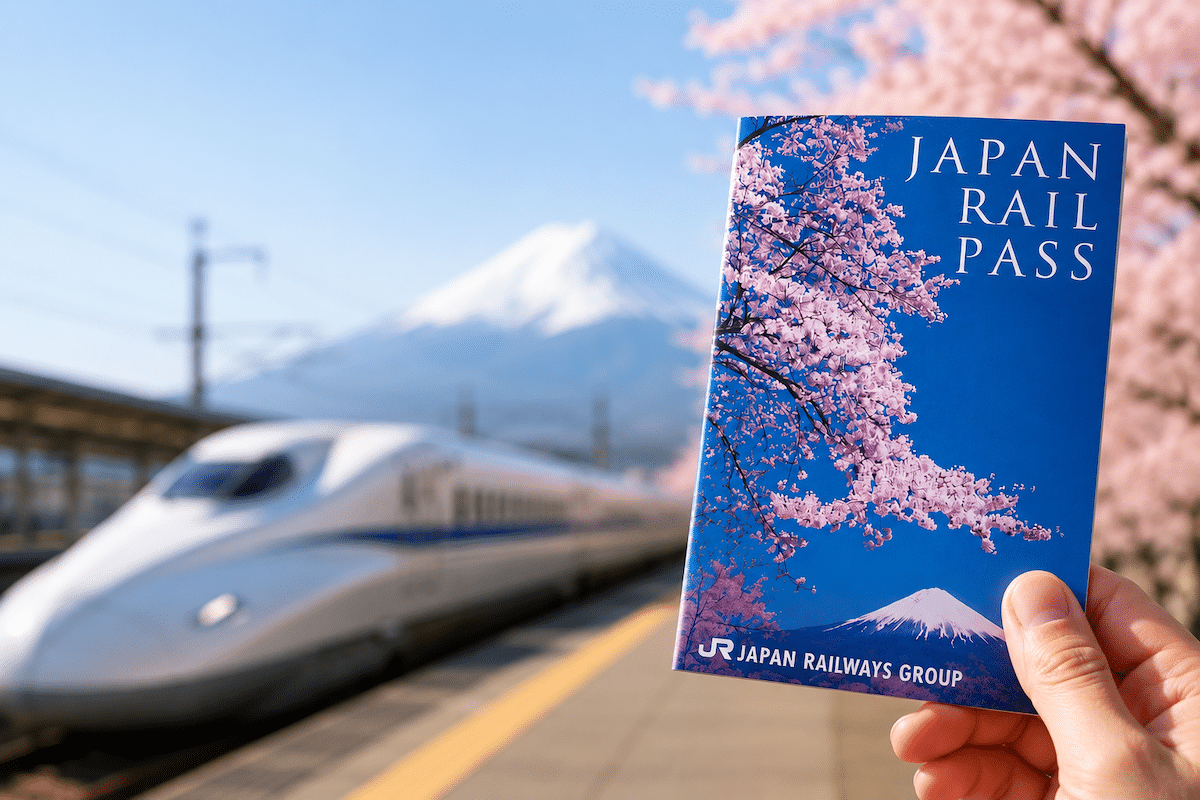
Japan Rail Pass: Is It Worth It? Cost, Coverage & How It Works

The Japan Rail Pass is a national fare program for travelers who want to ride on Japan Railways trains across the country. JR is Japan’s largest rail operator, with lines from coast to coast. Tourists will likely take a Japanese Train somewhere along their travels, and the Japan Rail Pass is often something they consider.
This rail pass has been popular with visitors to Japan because it provides valuable discounts compared with buying rail tickets individually. The pass comes in 7-, 14-, or 21-day segments, with variations for Green Car tickets and ordinary trains. Let’s take a deep dive and explore whether or not the Japan Rail Pass is worth it for your next trip!
What Is the Japan Rail Pass?
The Japan Rail Pass allows unlimited travel for a set number of consecutive days. Unlike IC cards, which you can use for transportation and everyday spending, this rail pass is mostly limited to Japan Railways lines. In recent years, the Japan Rail Pass has seen some price increases due to the popularity of Japanese tourism and ever-changing operating costs. Despite these changes, the pass may still be an attractive option for tourists headed to Japan.
Although the Japan Rail Pass is enticing for travelers looking to crisscross Japan by rail, JR has multiple regional companies with their own passes. Regional rail passes may offer better value than the national Rail Pass, especially if you’re exploring only a specific part of Japan and not relying on Shinkansen bullet train service.
Who Is Eligible for the Japan Rail Pass?
The Japan Rail Pass is available to all foreigners with a “Temporary Visitor” stamp or sticker issued at immigration when entering Japan. If you have any other status stickers or stamps, you are not eligible for the Rail Pass. Also, if you use one of Japan’s automated immigration gates, official JR guidance warns that travelers must request a stamp or sticker when passing through.
If you are a Japanese national living abroad, you may also be eligible for the Japan Rail Pass. Japanese passport holders must have proof that they have lived outside Japan for over 10 years. This can be in the form of an Overseas Residential Registration or a Certificate of Overseas Residence issued by a Japanese embassy or legation. Permanent Resident cardholders in the United States, Brazil, and Canada can also use their PR Card as proof, as long as they have lived in their respective country for over 10 years.
How Much Does the Japan Rail Pass Cost?
As of October 2026, the Japan Rail Pass is priced as below for passes purchased online:
| Duration | Ordinary | Green Car |
|---|---|---|
| 7 Days | ¥50,000 | ¥70,000 |
| 14 Days | ¥80,000 | ¥110,000 |
| 21 Days | ¥100,000 | ¥140,000 |
If you choose to do an Exchange Order instead at an overseas JR-designated agency in person, the prices are more expensive:
| Duration | Ordinary | Green Car |
|---|---|---|
| 7 Days | ¥53,000 | ¥74,000 |
| 14 Days | ¥84,000 | ¥116,000 |
| 21 Days | ¥105,000 | ¥147,000 |
Ordinary vs. Green Car JR Pass
Most Shinkansen and Commuter rail services in Japan have two seat classes: Green Car and ordinary car. The Green Car is an elevated train service available on most Shinkansen services across the country and some commuter rail lines in and out of Tokyo.
A few factors to consider if you want to buy a Green Car Japan Rail pass for your trip. The Green Car section is like regional business class on a plane: seats are wider, and there are fewer people in the car. Green Cars take up a small proportion of the train and are offered in all reserved seating on Shinkansen services. The Green Car is much more worth it for long-distance trips, like Tokyo to Osaka, than for short hops. Check out Josh’s review of the Nozomi Shinkansen Green Car between Tokyo and Osaka to get an idea of what it’s like!

Additionally, the Green Car Rail Pass can also be used for the Double Decker Green Car seats on some of JR’s commuter lines around Tokyo.
Japan Railways also offers GranClass seats, which is their First Class product on their most popular Shinkansen lines. However, neither pass allows access to this service.
Unless your itinerary includes multiple long-distance rail trips, most travelers will be fine with the ordinary Japan Rail Pass.
What Does the Japan Rail Pass Cover?
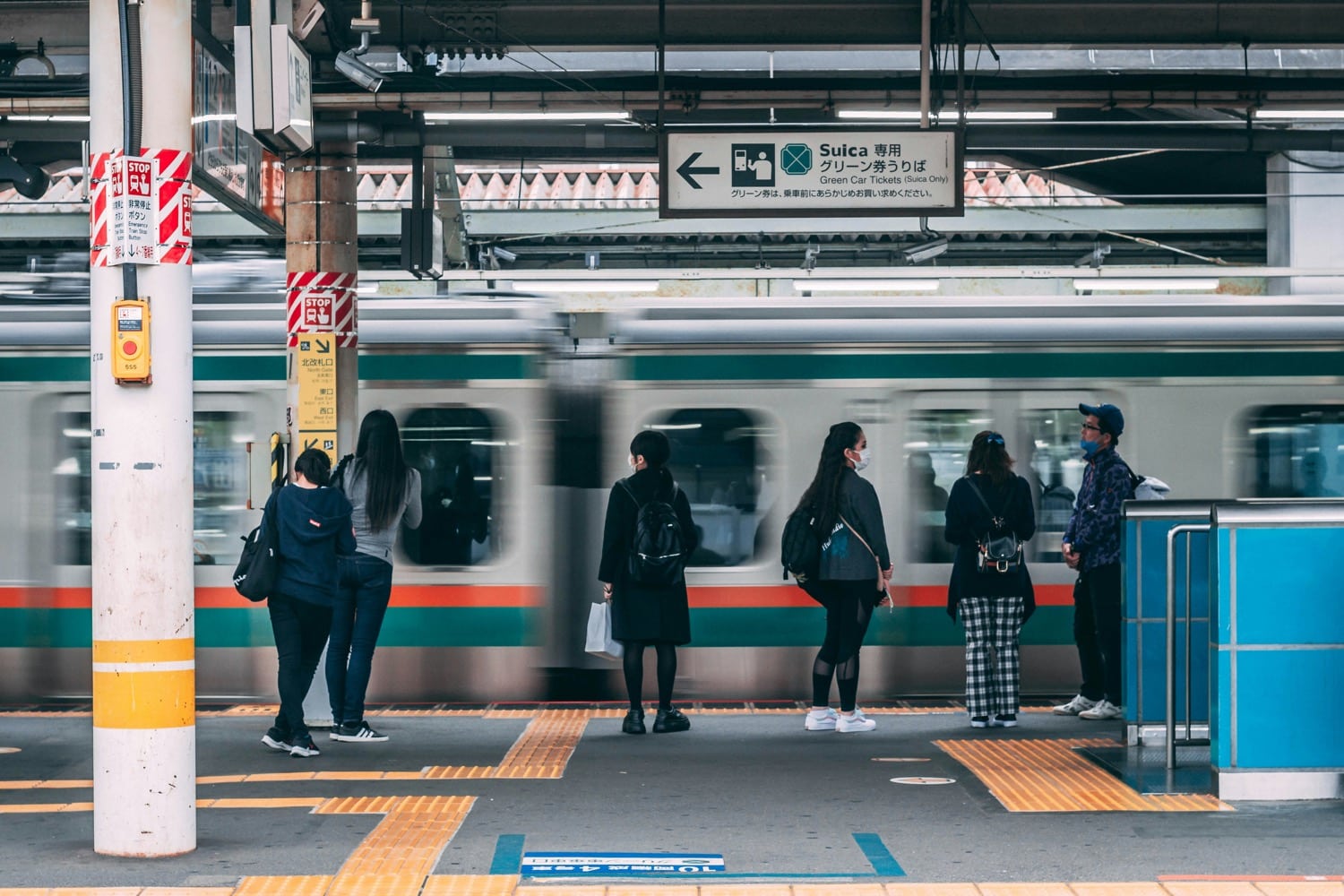
The Japan Rail Pass covers most of JR’s rail services nationwide. From Japan’s world-famous bullet trains to the world’s busiest train station at Shinjuku, the Japan Rail Pass offers great value for tourists planning to use Japan’s world-class railway network.
Most JR services nationwide accept the Japan Rail Pass. However, some exceptions prohibit its use. Local JR rail services that extend beyond JR’s own tracks will not be valid on the rail portions that are outside JR’s owned network.
Local Service
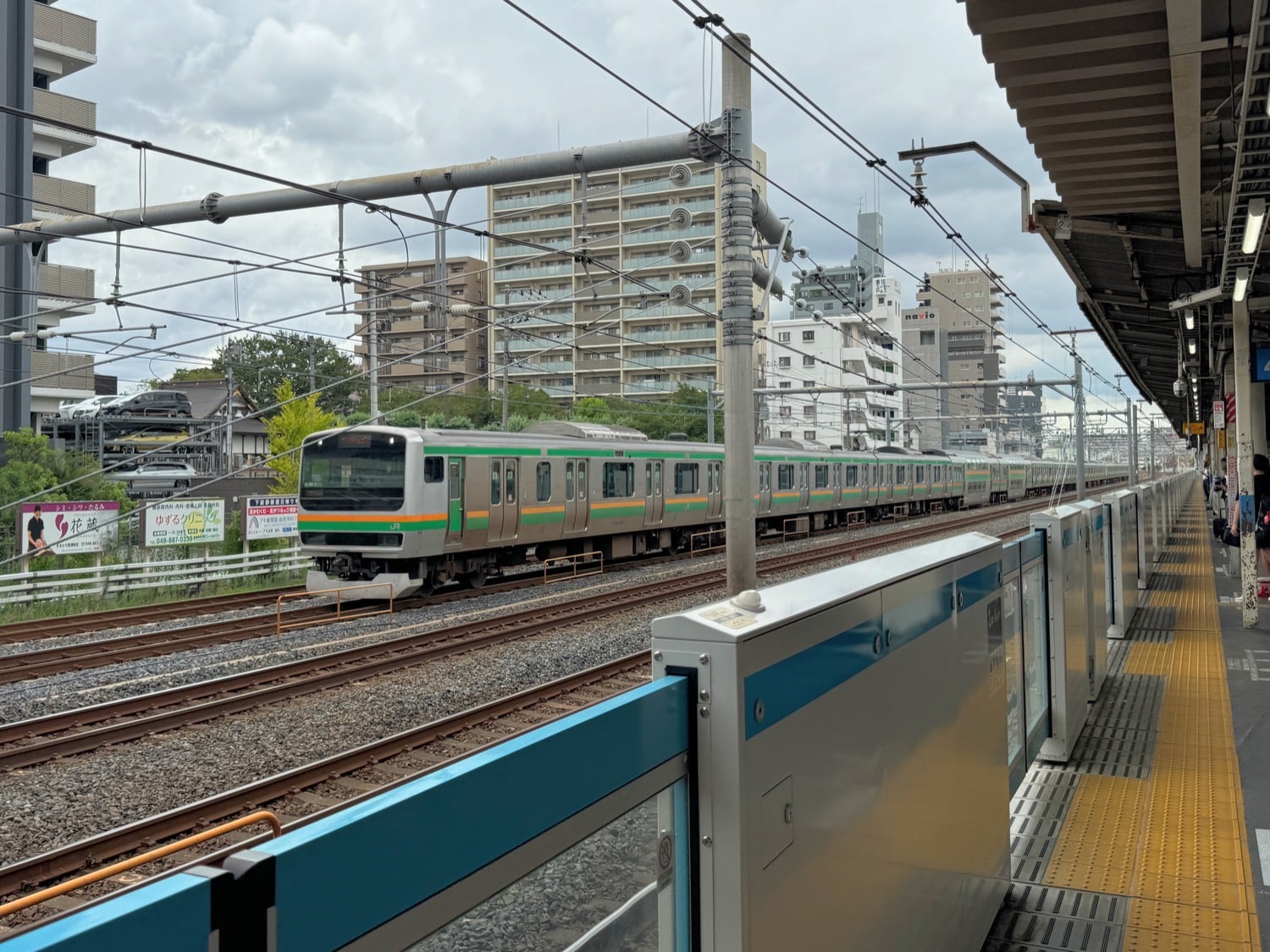
Local trains are the standard train services that serve most stops along a line. They can be named differently, including Local trains that serve all stops, Rapid trains that stop at major stations or skip stops, and Express trains, which are faster than Rapid trains. Some local lines may also have a Limited Express service, which will be the fastest and most comfortable service on a local line.
Generally, the Japan Rail Pass covers local trains, provided they are operated by the JR Group network. Some local services run through other railway companies’ lines, which may restrict use of the Japan Rail Pass.
Shinkansen
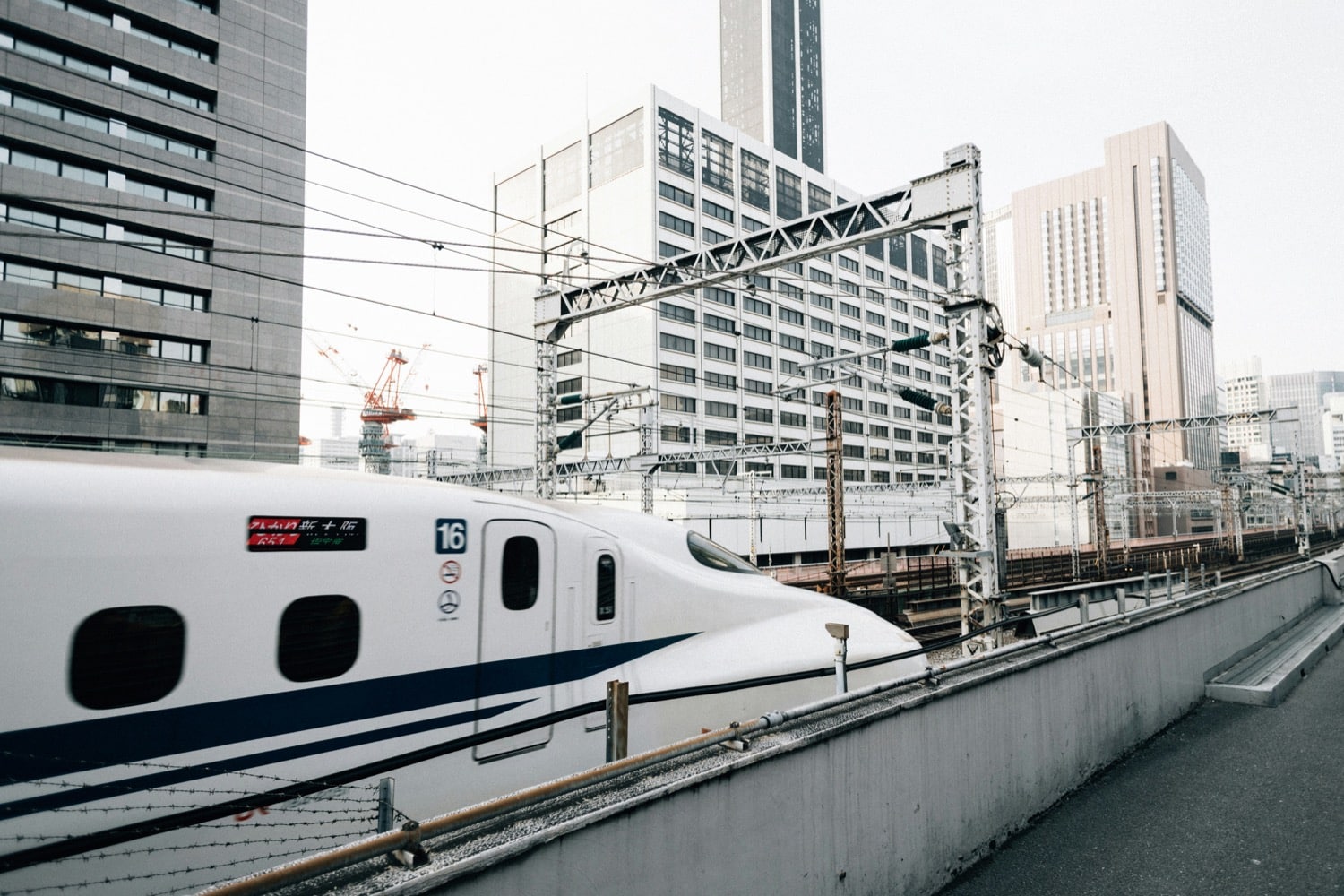
The Japan Rail Pass covers most Shinkansen services nationwide. In theory, you can use your pass from the furthest Shinkansen termini from Kyushu to Hokkaido (Kagoshima-Chuo to Shin-Hakodate). A journey like this could take more than 12 hours and cost ¥52,260 in cash, easily covering the value of your JR Rail Pass, excluding additional reserved-seat fees if you paid in cash. With the Rail Pass, seat reservations within your travel days cost no extra. However, not all Shinkansen services are included, as noted later on.
Limited Express Trains
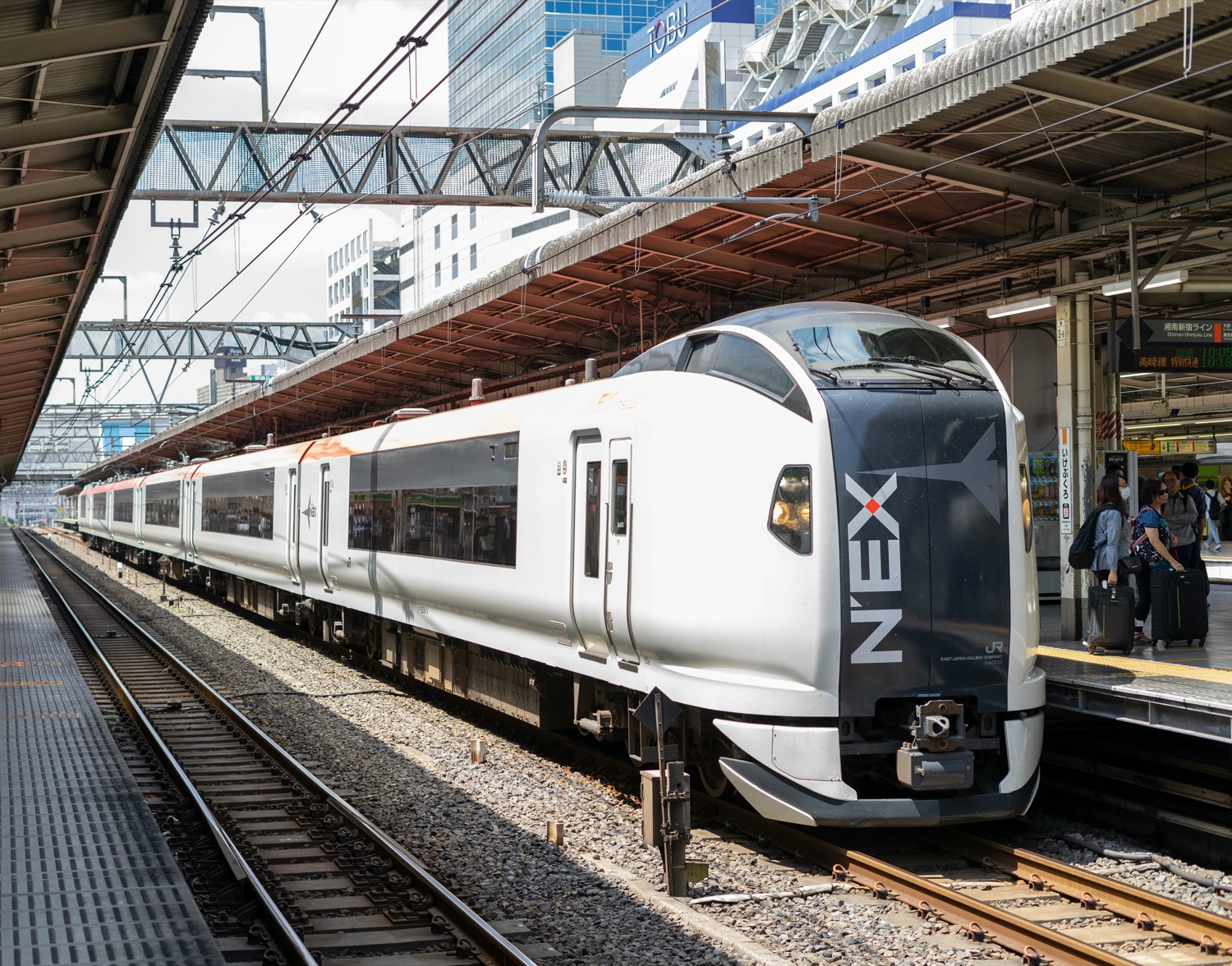
Limited Express trains are JR trains that connect long-distance journeys in more comfortable, premium trains. They may run alongside local services; however, they make far fewer stops and may run only a few times per day depending on the route. When you go further away from the cities, these routes can be really scenic and take you to destinations not usually frequented by tourists. Limited Express trains also cost more than their slower, local counterparts, and most have a reserved-seat section. The Narita Express is an example of a Limited Express train.
Tokyo Monorail
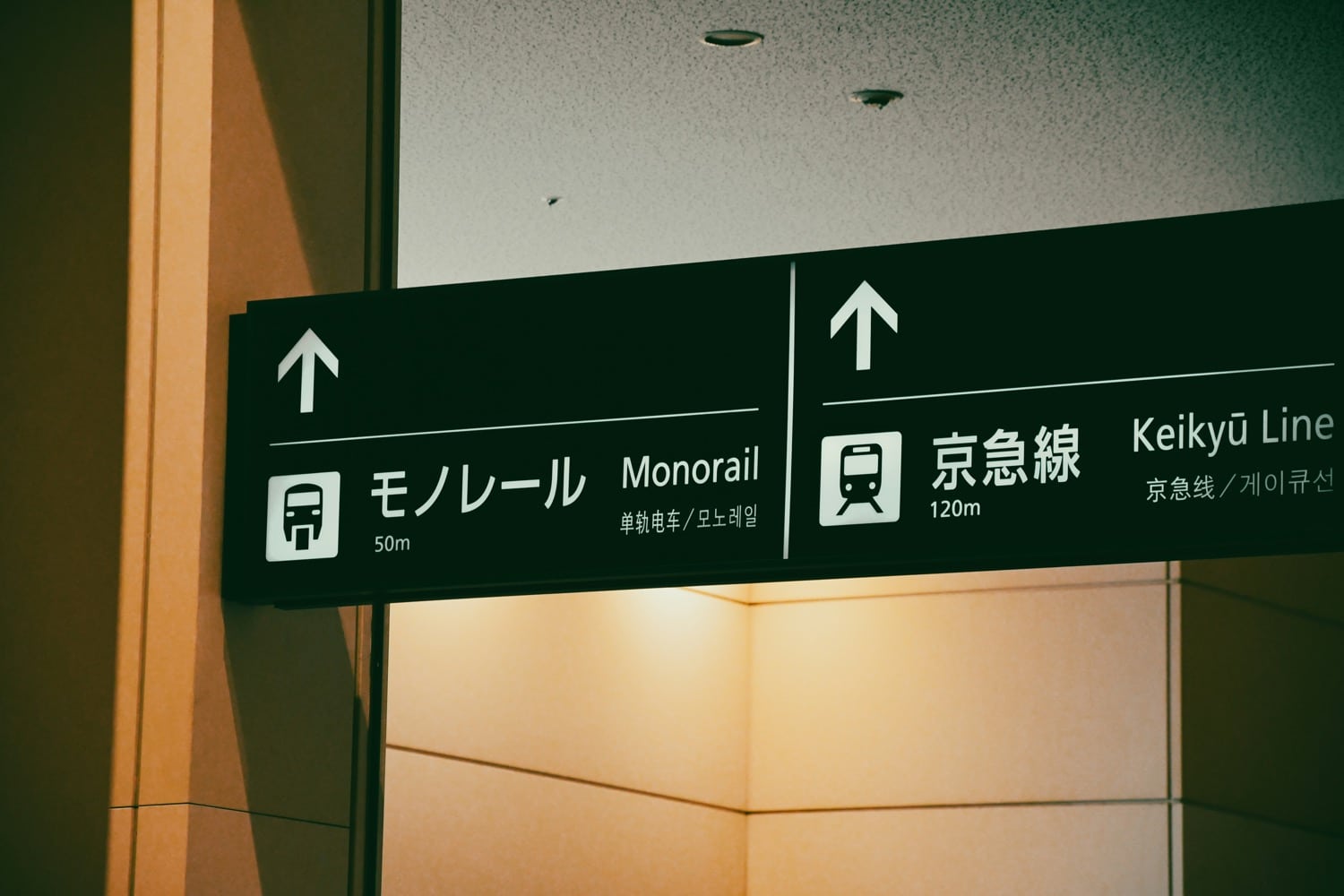
The Tokyo Monorail connects Haneda Airport to Hanamatsucho station in central Tokyo. Although it isn’t a conventional rail line, the service is a subsidiary of JR East. Japan Rail Pass holders can use the monorail as an alternative to private railways to get between JR and other local lines to Haneda Airport.
Bus Service
Some local buses are operated by JR’s regional subsidiaries and are included as part of the Japan Rail Pass coverage. Not all cities have JR local bus service, and all the JR highway express buses are excluded from the Japan Rail Pass.
JR-West Miyajima Ferry
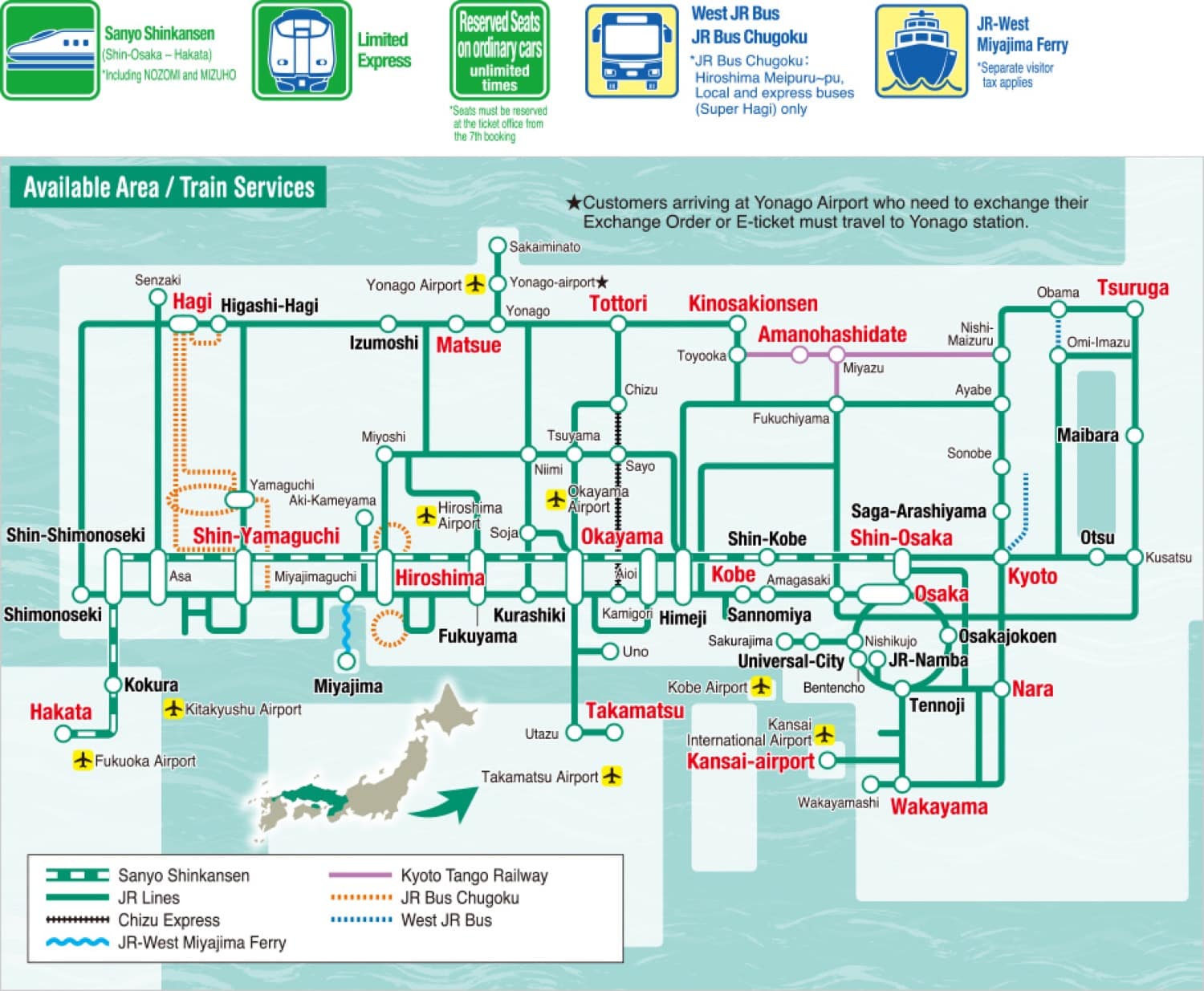
The JR-West Miyajima Ferry connects Miyajimaguchi to Miyajima, just west of Hiroshima. The ferry fare is included in the JR Rail Pass; however, visitors will have to pay a ¥100 tourist tax on arrival in Miyajima.
What Isn’t Covered by the Japan Rail Pass?
Local rail services have several restrictions under the Japan Rail Pass. The Japan Rail Pass does not include most private railways, including municipal subway stations like the Tokyo and Osaka Metro systems. In addition, some through services that have a JR portion of track may not be eligible for use as well.
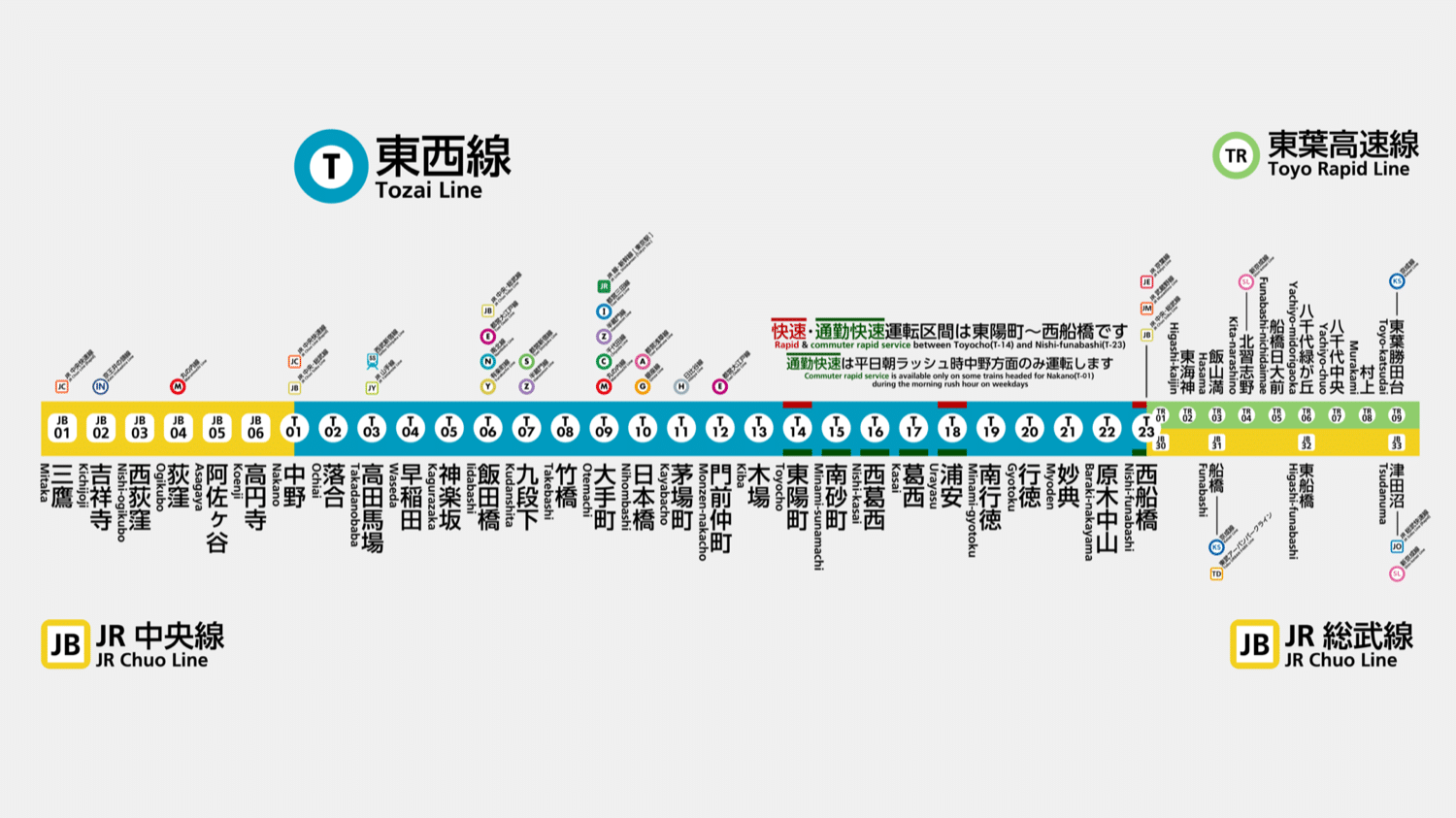
For example, on the Tozai Tokyo Metro line, there are sections of track that are run by the JR Chuo line. You will not be able to use your ticket on the Tokyo Metro Tozai Line sections of track between Nishi-Funabashi and Nakano. However, you may be able to board a Tozai Line train within the JR sections of the track (in yellow). In theory, you could take the train from stations JB01-06 to JB 30-33 without getting off since they merge back together, though it will take longer using the Tozai Line tracks compared to the regular JR Chuo Line train.
Regarding Shinkansen restrictions, the Japan Rail Pass is not valid on Nozomi and Mizuho Shinkansen services without a supplementary ticket, from Tokyo to Hakata/Fukuoka and Shin-Osaka to Kagoshima-Chuo. These services are JR’s fastest and most frequent Shinkansen services, with passholders limited to services that stop intermittently between cities.
As previously mentioned, JR operates a limited bus network in various cities. However, its express bus network, which connects major cities as an alternative to the train, is not included in the Rail Pass.
How to Buy, Activate, and Use Your Japan Rail Pass
Buying JR Rail Pass
The safest and most reliable way to buy the Japan Rail Pass is directly from JR. You can do this online through the Japan Rail Pass website or at a travel agency certified to sell the Japan Rail Pass. As mentioned, buying the pass directly from their website is cheaper than buying through one of JR’s affiliated travel agents.
Another benefit of purchasing it online is being able to reserve your seats on trains ahead of your trip. Seat reservations within your travel days come at no extra charge with the Japan Rail Pass.
Buying Through an Authorized JR Pass Seller
Some third-party sellers also sell the Rail Pass online; however, they may not be as reliable or as cheap as buying directly from JR or JR’s authorized travel agents. Destination and event apps like Klook offer the JR Rail Pass as a product for travelers who don’t want the hassle of an in-person visit, or who want the pass shipped to them before their trip.
How to Activate & Use Your JR Pass
Here are the steps on how to receive, activate, and use your Japan Rail Pass
- Order pass online/at a travel agent before your trip. Receive an exchange order.
- Arrive in Japan. Find a JR Travel Service Center at the airport to pick up your pass.
- Present passport/documentation and the exchange order
- Pick up/exchange JR Pass
- Verify activation date and reserve seats when required or desired
- Use your pass at ticket gates
Validity is based on calendar days, not 24-hour periods. Activating a seven-day pass at 8 PM still counts that date as Day 1.
How to Reserve Seats with a JR Pass
If you want to reserve seats for your planned train trips ahead of time, you can do so online through the Japan Rail Pass reservation site, at a ticket machine, or at a station reservation counter. If you like to have everything planned out in advance, I would recommend reserving your seats online.
However, for most trains, seats are usually available to book the day before. Ticket machines let you reserve seats for travel the following day. If you’re not too worried about getting a seat, some trains have a non-reserved section, which is a free-for-all. I highly recommend reserving seats if you plan to visit during Japan’s holidays, like Golden Week, when trains are expected to be overcrowded, even in the reserved-seat sections.
If you’re bringing oversized luggage and the overhead racks aren’t enough, you can also reserve a seat on some Shinkansen trains for the large baggage area in the rear row of some cars. These are included at no extra charge.
Is the Japan Rail Pass Worth It?
Depending on how much you plan to rely on the JR rail system, you will need to calculate how much you’re expected to spend throughout your entire itinerary.
The current 7-day Ordinary Pass is ¥50,000, while a typical Tokyo → Kyoto/Osaka itinerary alone doesn’t come close to that threshold. Even the JapanTravel community now notes that many standard “Golden Route” itineraries no longer justify the nationwide pass after the price increase.
Here are a few sample Shinkansen itineraries:
| Sample Itinerary (reserved) | Individual Tickets | JR Pass | Worth It? |
|---|---|---|---|
| Tokyo → Kyoto → Osaka | ¥13,650 (Tokyo-Kyoto) ¥2,670 |
¥50,000 | ❌ |
| Tokyo → Kyoto → Osaka → Hiroshima | ¥13,650 (Tokyo-Kyoto) ¥2,670 ¥10,220 |
¥50,000 | Maybe |
| Tokyo → Kyoto → Hiroshima → Tokyo | ¥13,650 (Tokyo-Kyoto) ¥11,100 ¥18,710 |
¥50,000 | ✅ / Close |
Although these sample itineraries don’t exactly meet the Japan Rail Pass’ prices, there are additional segments that can be considered, like the local JR trains or Limited Express journeys you might take as part of your trip.
There are also several fare calculation tools that you can help you figure out whether or not you need to use a Japan Rail Pass for your trip, such as the Japan Rail Pass Calculator.
Alternatives to the Japan Rail Pass
Regional Rail Passes
All JR regional companies offer their own regional rail passes that cover different routes and areas. Depending on your trip, these can be much better for value and convenience.
For example, if you’re only planning to visit West Japan without going anywhere east of Kyoto or Tsuruga, JR West sells West Japan-specific passes, including the Sanyo-Sanin pass I used to get between Osaka and Hakata/Fukuoka in the Kyushu region. This pass was valid for 7 days, at a price of ¥23,000, less than half the cost of a 7-day Japan Rail Pass.
Airlines
Flying in Japan is convenient, and most travelers only need to show up an hour before departure. The tickets for flights can be purchased right at the counter for not much more than a pre-planned trip. Depending on your itinerary, it may be comparable to using the Shinkansen to reach further destinations. As a general rule of thumb, if your destination takes more than 4 hours by Shinkansen, it’s usually faster to fly. Moreover, if you’re trying to get to more remote areas, like Sapporo, flying is much more convenient than transferring between trains.
Additionally, Japan Airlines offers a Japan Explorer Pass program, which provides special pricing on its domestic routes to compete with JR services.
Conclusion
The Japan Rail Pass is packed with value if you’re considering a trip to Japan and plan to use the JR network a lot. Covering services like their bullet train/Shinkansens, the Rail Pass can get you across the country in time comparable to a flight.
However, not all travelers need the Japan Rail Pass, depending on their trip. People planning to go to Japan and considering the Japan Rail Pass should calculate what it would cost to use the rail network and whether the pass is really worth it for them.
FAQ
The old shorthand that “Nozomi isn’t covered” is now slightly misleading. JR Pass holders can use Nozomi and Mizuho services by purchasing a special supplemental ticket. Otherwise, they can travel on covered alternatives such as Hikari, Sakura, Kodama, and Tsubame.
If you are concerned about time during your journey but expect to ride the rails a lot anyway, I recommend getting a supplementary ticket to take the Nozomi. In comparison, the Hikari service, which is included in the Rail Pass, is only 20-30 minutes longer than the Nozomi.