
The 7 Best Central America Rum Brands

Want to try some of the planet’s highest-rated rum brands when you travel? You’ll have it pretty easy in some parts of Central America. Most of the highest-rated rum brands in the world are from in and around the Caribbean and you can find some of the best in countries like Guatemala, Nicaragua and Panama.

You can draw a circle on one part of the globe and fit the origins of nearly all of the world’s best rums in that area. A few Caribbean islands will be in that circle, a bit of South America too. If you travel through Central America though, you can sample some of the ones that compete with Barbados, Puerto Rico, and other better-marketed areas for gold tasting medals. Also, despite all the accolades and write-ups, they’re surprisingly affordable as well, even if you go straight to the top of the quality pyramid.
We’ve done a lot of tastings from Mexico down through Colombia for the sake of, um, research, and have tried a few rum brands from nearly every Latin American country that produces the spirit. Central America rum stands apart from the others though for its ease of availability and a consistently high quality overall — provided you skip the cheap stuff with additives and no aging.
Guatemala Fine Rums
Ron Zacapa
We have to start with Guatemala because, if there’s one rum that regularly comes out on top with rum aficionados, it’s Ron Zacapa 23. For many of us who have sipped dozens of different rums, this is the gold standard by which all others are measured. It has won a slew of awards nearly every year and was the first inducted into the International Rum Festival’s Hall of Fame.
Some are put off by the number, thinking 23 years is a long time to sit in a barrel in tropical temperatures. These barrels are stored at 2,300 meters though, not sea level, and the rum is actually a blend of barrels aged 6 years to 23 years. This means putting a lot of trust in the person doing the blending, but this one has a great reputation for a reason.
We’re not sure what the proportions are, but in the glass this is a perfectly proportioned rum. It’s a steal at less than $50 and you can sometimes find it for less than $40 on sale or at duty free shops. If you have a flight out of the country, arrive early and do a rum tasting at the Guatemala City Airport, where you can try sister brand Botron as well. More on that below.

If you want an after-dinner cordial that’s different, try the Ron Zacapa XO. That’s Zacapa rum, but with extra time spent in French oak barrels that previously held cognac. This interesting combination brings a whole other range of flavors to the mouth and smells to the nose, especially if you drink it from a brandy snifter. In a heavy, fancy bottle, this one will be an appreciated gift for any rum or spirits lover on your list.
There’s a Zacapa Edición Negra that is harder to find in stores. It’s rum aged 6 to 24 years, with the last part being in former “American whiskies and Pedro Ximénez wine” barrels instead of cognac. It sounds strange, but it was better than I expected when I finally got to taste it.
If you want to step down a notch from Ron Zacapa’s prices but still get that high Guatemalan quality, read on…
Ron Botran
If you’re wondering what happened to the Ron Zacapa versions with an aging year number in the teens that you tried in your younger days, they just have a different name. Botron is the sister brand of Zacapa, under the same company ownership. The bottles aren’t as fancy and the name isn’t as prestigious, but it has a very similar taste profile. Everything made from this company is derived from first pressing sugar cane, not molasses.
When I did a tasting in Guatemala the host said the main difference in the brands is that they use sugar cane harvested in different seasons. Apparently that’s enough to impact the taste, but they share the same master distiller and storage facilities. (Fun fact: Guatemalan barrels are stored upright rather than on their side due to earthquake risks.)

The company is a little cagey on how long this brand is aged. The top one is Solera 1893, a blended solera rum that is aged “up to 18 years.” The Reserva one is aged “up to 15 years” and may have spent some time in barrels previously used for port or sherry. There’s also a Reserva Blanca version that’s one of the best white cocktail rums around.
The versions of Ron Botron you’ll see the most in U.S. and Mexican liquor stores are the 8-year, which is a good bar staple, the 12-year version, and a 15-year version. If you see that or the 18 one that used to have a Zacapa label, these will often be the best sipping rum values on the shelf. All but the 18 are in tall bottles that aren’t very fancy, but but that means you aren’t paying a premium for the adornment I guess. See my tasting notes on Ron Botron rum here.
Costa Rica Rum
Ron Centenario
If you like the feel and taste of warm liquid caramel going down the back of your throat, you might drink half a bottle of Centenario rum and find yourself sprawled out on a daybed by the pool. This is one of the smoothest and most pleasant elixirs you could hope for in this world if you have a sweet tooth and we have to just blame timid marketing for the fact it’s not better known outside Costa Rica.

It doesn’t help that their packaging has gotten more and more bland over the years. They used to package their rum in interesting wide bottles with embossed glass in images of royal shields. Now their rum is just in run-of-the-mill standard bottles that blend in with everything else on the shelf. You have to get up to the high end of their range to feel like you’ve bought something even slightly premium: the 30-year version (solera method though) is gorgeous enough for a gift.
Centenario rum comes in a range of years of aging and in Costa Rica you can even find a variety pack in duty free stores if you want to sample to see which one you like best. They’re all smooth, but they get more complex with more oak at the higher numbers.
If you like rum on the sweeter and smoother side rather than one that will put hair on your chest, this is the one to start with. Any of them are great in fruity cocktails that use the abundance of fruit you find in Costa Rica. See the current versions here at the official website.
Nicaragua Rum
One brand in Central America goes back to 1890 and has held strong through all the civil war troubles in Nicaragua in the 1980s and the current dictatorship run by the former rebel: Flor de Caña rum. Now this is the centerpiece company in the big Pella family empire, which includes businesses from department stores to Mukul and Nekupe luxury resorts.
While those resorts are mostly empty now and seem to have faded into history thanks to the political oppression in Nicaragua that has scared away most tourists, the Flor de Cana rum is doing better than ever.

Some have called this the “Harley Davidson of rums” or “the best rum to have with a cigar” because it’s hefty, serious, and assertive. Maybe not to the level of Jamaican rums, but still quite hearty.
There’s plenty going on in the complexity department, especially at 7 years of aging or above, but giving it neat to someone who doesn’t drink dark spirits often is like giving an 8% stout or a double IPA to someone who normally drinks Bud Light. Work your way up to this one and you’ll be rewarded unless you’re just making cocktails with the lower-priced versions.
Unlike with Centenario or Botron, this rum is packaged in hefty, impressive bottles that will leave an impression on your recipient if you buy something aged 12 years or more. See that photo above for what I mean and get more info at the official website.
The Exciting Rum Scene in Panama
Ron Abuelo means simply “grandfather rum” in Spanish and it’s one of those dependable brands that works for any party. The regular version is perfectly fine for cocktails and the versions that are aged more can hold their own with a lot of name brands from the Caribbean. It doesn’t belong on the top shelf, but not in the well either. It’s certainly a big improvement over Bacardi.
If you want to go up a notch or two, check out the Ron Abuelo 12-year version, which is easy to find in liquor stores in North America and is usually competitively priced for that long in the barrels. But there are better options in the country, especially if you visit a fine rum bar like this one while staying in Panama City:

I tried a rum simply called “Panama” when I was on an Uncruise ship off the coast of the country and…I wish I hadn’t. Several of us were tasting the whole selection of what was on the boat in terms of sipping rum and this one was a unanimous last place. The bottle is nice, but what’s inside will make you want to refill it with something better.
Since then I’ve done a whole rundown on how Panama rum keeps getting better in quality and unlike in the countries profiled above, you’re not dealing with a monopoly or close to it. Now you’ve got a whole range of great choices, like Zafra Rum made in Panama. They must have started quite a long time ago because they produce a 21-year version that’s available online for more than $100. I’m not sure I want to spend three figures just to try it though, so I’m going to be looking for it at my next rum bar tasting.

On my last trip to the country I got to try a lot more Panama rum brands like Carta Vieja, Pedro Mandinga, and Panama Pacific. Then I spent a lot of time with Grander rum and I really liked their Toro version.
For now it’s that and anything from Carta Vieja that I’d recommend. If you’re just looking for the most high-end options, go for Don Poncho Origenes.
I think it’s safe to say that Panama now has the most dynamic rum scene in Central America, without one or two brands having a lock on the choices.
Belize Rum
The people of Belize consume a lot of rum, as do the tourists flooding into Ambergris Caye each week. Most of that goes into fruity cocktails or Cuba Libres though, so price matters more than quality. And the prices are quite low: rum just might be the best bargain in a country where things always seem to cost more than you expected.
The bottle you’ll see the most has a black buzzard on the front and is simply called Caribbean Rum, from Cuello’s Distillery. Fine for cocktails where the fruit and sugar will cover up the defects, but if you’ll be sipping, move on.
One Barrel
This is a big step up, produced in Belmopan with high-grade molasses and a triple-column still. One Barrel has a standard gold edition (good enough for sipping), and a coconut rum that goes down easy, but look for Don Omario to get more aging.

Tiburón Rum
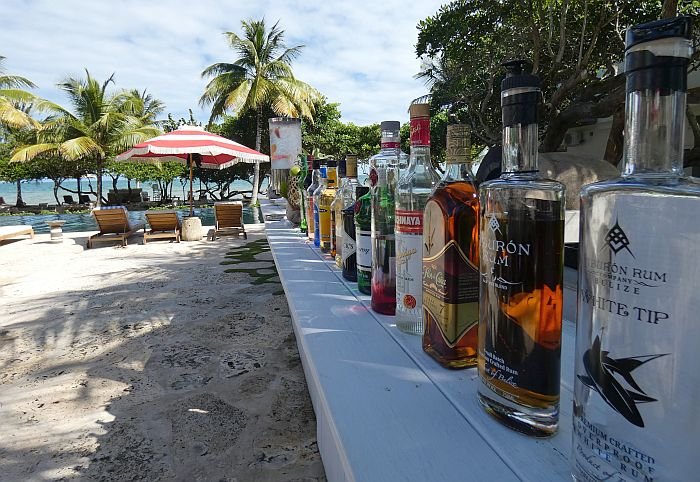
Tiburon rum has been a little harder to find, but last time I was in Placencia I was happy to find that they had opened up a tasting room there. This shark is at the top of the food chain for fine rum in Belize. They produce it in Belmopan at an expat-owned company employing a Belizean master distiller with a long family history of rum making.
It’s around $40 to $50 in the USA or Belize and has won a slew of awards. Produced in small batches but available at the Belize City airport on your way out. Definitely worth the expenditure if you’ll be spending some time enjoying the golden hour in this chilled-out country.
See our article about Tiburon rum here.
OK, we kind of cheated on the 7 number because you can take your pick of several in Panama, but this should get you covered in your travels. Look for any of the above when you’re traveling in Central America and the majority of them you can find in good U.S. liquor stores as well. If you find a premium aged one that’s not on here from a country other than Panama, put it in the comments for us to investigate!
This article on the best rums from Central America was updated in late 2026, with all photos by the editor except the Flor de Cana one, courtesy of the company. We haven’t tried everything you could possibly find from the region yet though and as always, all opinions are my own.