
BTN Exclusive: The State of UAE real estate from those that know… | News


The UAE real estate story has rarely moved in a straight line. It has been shaped by cycles, global capital, tourism demand, lifestyle migration and the country’s ability to turn uncertainty into fresh momentum.
In 2026, that resilience is again being tested.
Regional tensions have prompted some buyers to pause, reassess and look more carefully at value. Yet the data, and the mood among market participants, point to a sector that remains active, liquid and underpinned by deeper structural forces than the speculative cycles of the past.
Across Abu Dhabi and Dubai, the conversation has shifted. The question is no longer whether demand exists. It clearly does. The sharper question is where that demand is being deployed, which projects are absorbing it, and which developers can demonstrate credibility, delivery and long-term value.
In Abu Dhabi, the first four months of 2026 showed striking momentum. According to Cavendish Maxwell, residential transaction volumes rose 187.1 per cent year-on-year, driven primarily by the off-plan segment, where volumes surged 301 per cent. The ready market recorded a more modest 15.4 per cent rise.
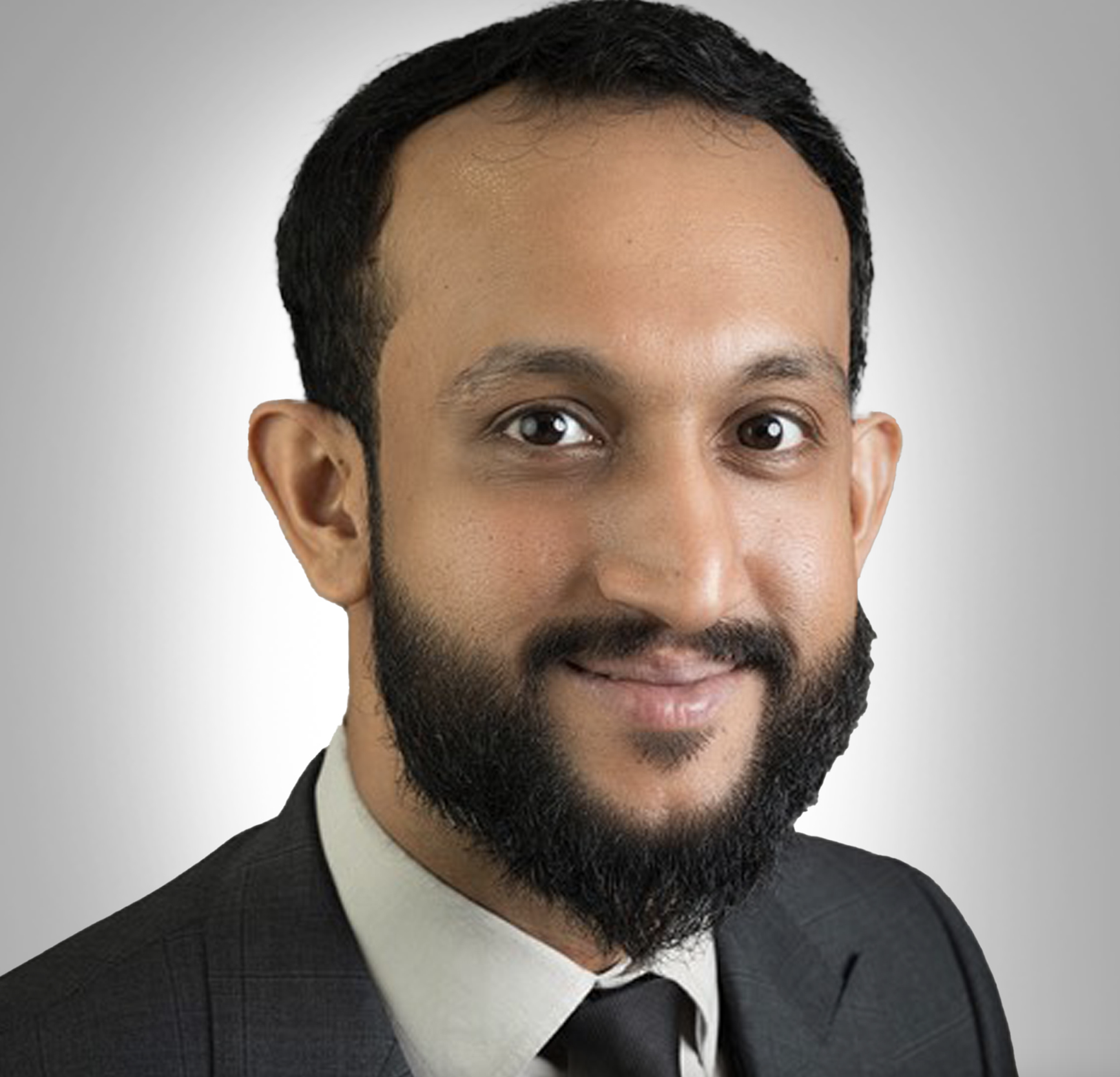
Ali Siddiqui, Research Manager at Cavendish Maxwell, told Breaking Travel News that off-plan has become “a defining feature of the current cycle”, accounting for 67.1 per cent of all residential transactions in Abu Dhabi so far this year.
Demand, he said, continues to be supported by domestic and international buyers, drawn by competitive payment plans, lifestyle-led master-planned developments and strong product positioning.
There is, however, an important caveat. Transactions recorded during March and April reflect a combination of deals agreed both before and during the onset of recent geopolitical tensions. That means current data carries a lag effect, and the true shape of the market may only become clearer once that backlog unwinds.
That more cautious behaviour is now visible on the ground.
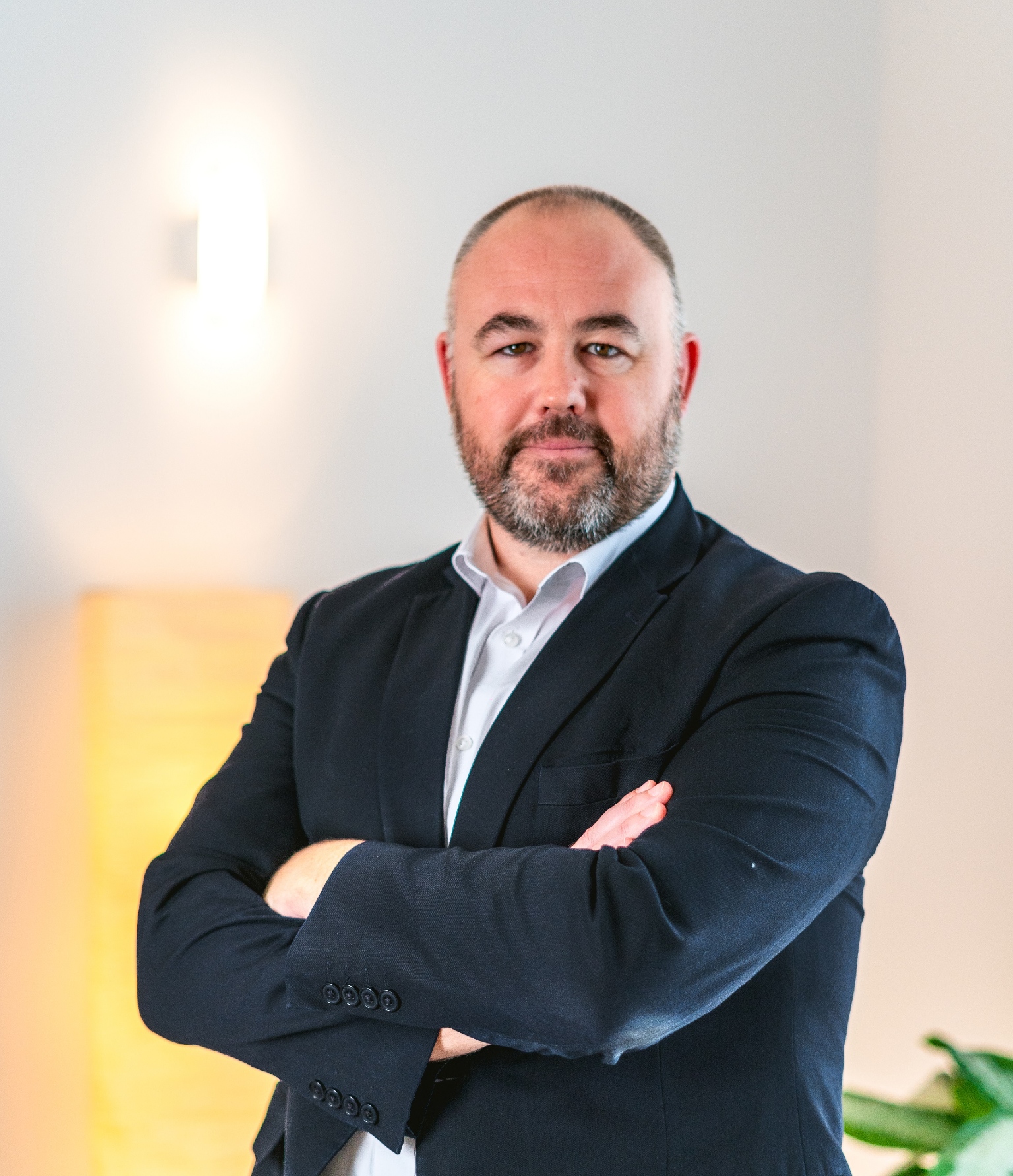
Ben Crompton, Managing Partner of Crompton Partners, told Breaking Travel News there remains “a lot of confidence in the underlying fundamentals of the Abu Dhabi economy”, but said some buyers who were active earlier in the year paused purchases while assessing the wider situation.
He said buyers are still moving on off-plan property, but with smaller ticket sizes, particularly one and two-bedroom apartments, while villas have been moving more slowly.
At Maison 71, the view is similar. The firm sees Abu Dhabi confidence being driven by strong structural fundamentals, including sovereign-backed economic growth, rising population, sustained international capital inflows and disciplined future supply.
It also notes a shift towards a more measured buyer mindset, with purchasers taking longer to transact and some extending rental periods while they seek greater clarity.
This is where Abu Dhabi’s story diverges from many other global markets.
The emirate is increasingly being positioned as a long-horizon capital market, backed by sovereign financial strength, conservative fiscal management and carefully phased supply.
Maison 71 describes Abu Dhabi and Dubai as complementary markets at different stages of the cycle, with Dubai offering global liquidity and visibility, while Abu Dhabi offers relative stability, disciplined supply and a higher proportion of end-user demand.
That thesis has been reinforced by a remarkable wave of institutional announcements.
ADGM said in May that eight major global financial institutions managing US$4.4 trillion in assets had announced plans to establish a presence in Abu Dhabi, including Muzinich & Co, Hillhouse Investment Management, Barings and Bain Capital.
For property, the signal is clear. Abu Dhabi’s residential market is increasingly being supported by the broader migration of capital, talent, family offices and financial services infrastructure into the emirate.
Chris Hughes of Abu Dhabi Finance Week captured the mood in a post this week, describing Abu Dhabi as the “Capital of Capital” and the “Falcon Economy”, pointing to the arrival of major firms from the US, UK, Brazil, China and South Korea.
His message was simple: the emirate is attracting capital at precisely the moment global investors are looking for stability, connectivity and long-term conviction.
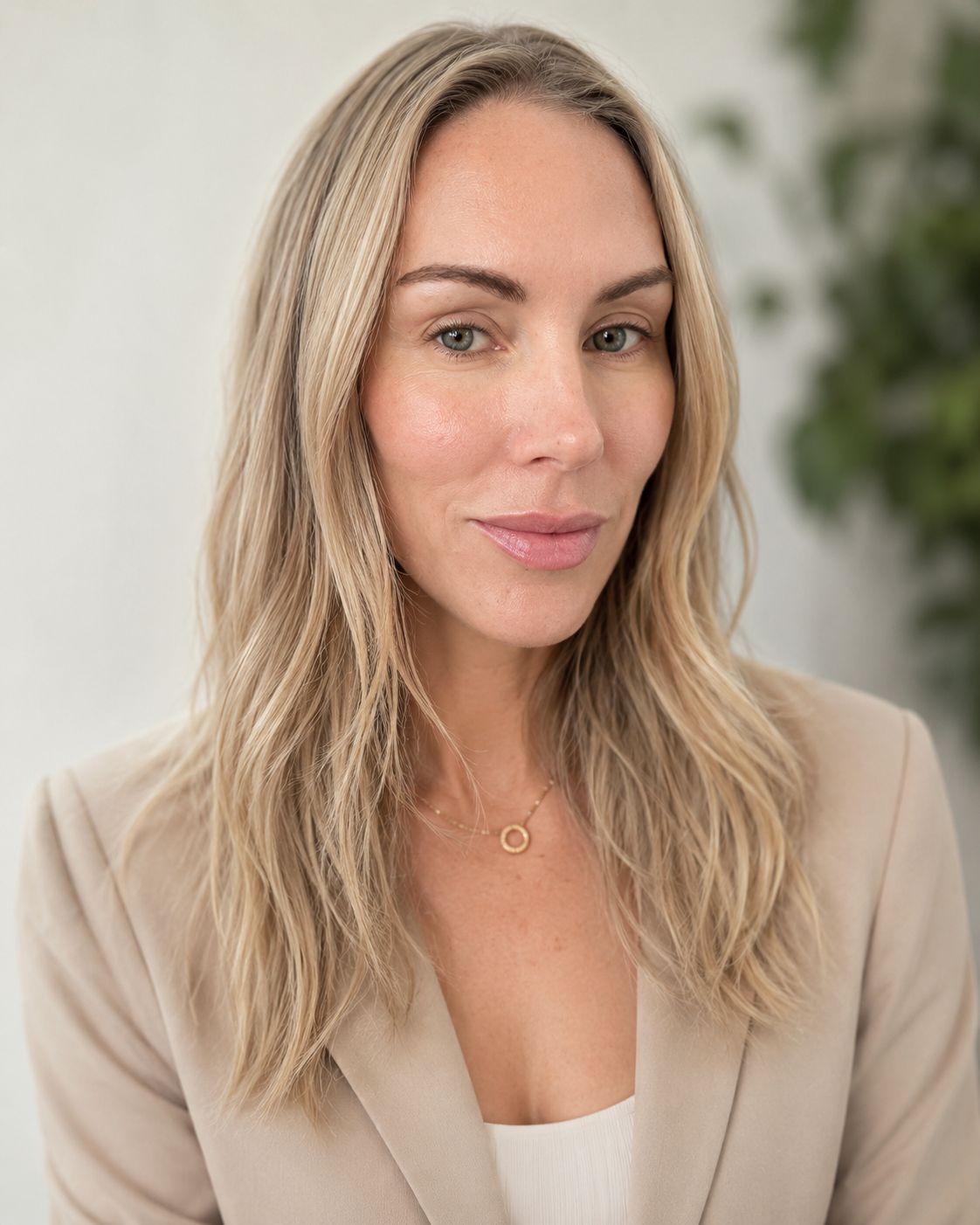
For Sasha Summers and Jaime of Maison 71, that confidence is now becoming increasingly location specific.
“For Abu Dhabi, the opportunity is becoming increasingly specific,” said Sasha Summers and Jaime. “We remain tremendously excited by three areas in particular: Saadiyat, Yas and Reem.
“Saadiyat is becoming one of the world’s great cultural addresses, with the Cultural District giving the island a depth and permanence that goes far beyond beachfront living. Yas is now moving into another league with Disney and the confirmed arrival of Sphere Abu Dhabi, creating a global entertainment and hospitality hub with extraordinary residential upside.
“Reem, meanwhile, is being directly lifted by the incredible growth of ADGM, as more financial firms, family offices and international capital move into Abu Dhabi and create sustained demand for high-quality homes close to the new centre of gravity.
“These are three very different stories, but together they show why Abu Dhabi’s real estate market feels so compelling right now.”
The case for those three districts is strengthening fast.
Sphere Entertainment and the Department of Culture and Tourism, Abu Dhabi confirmed on May 14 that Yas Island has been selected as the location for Sphere Abu Dhabi, a US$1.7 billion landmark project designed to become a new global icon for immersive entertainment. The announcement follows Disney’s plan for a new theme park resort on Yas Island, further strengthening the island’s position as one of the world’s most ambitious leisure and entertainment destinations.
Saadiyat, meanwhile, continues to consolidate its position as Abu Dhabi’s cultural flagship. The district brings together institutions including Louvre Abu Dhabi, Zayed National Museum, Natural History Museum Abu Dhabi and teamLab Phenomena Abu Dhabi, creating a cultural quarter with global tourism, residential and investment appeal.
Reem’s investment case is being sharpened by the expansion of ADGM across Al Maryah and Al Reem Island. ADGM has said the expanded jurisdiction covers 14.38 million square metres and added around 500,000 square metres of office space, reinforcing its ambition to build a world-class financial district.
Together, these three submarkets speak to the evolution of Abu Dhabi real estate. Saadiyat offers culture and waterfront prestige. Yas offers entertainment, tourism and branded leisure. Reem offers proximity to finance, business formation and the capital’s new institutional centre of gravity.
For a travel and hospitality audience, this matters.
The UAE property market is increasingly tied to the way the country presents itself to the world: as a place to invest, live, work, visit, build businesses and anchor wealth.
In Dubai, that story remains equally powerful, but more mature and more globally liquid.
The emirate’s real estate sector recorded AED252 billion in transactions in Q1 2026, a 31 per cent year-on-year increase in value, with foreign investment rising 26 per cent to AED148.35 billion. (Gulf News)
Luxury real estate continues to sit at the centre of Dubai’s global appeal.
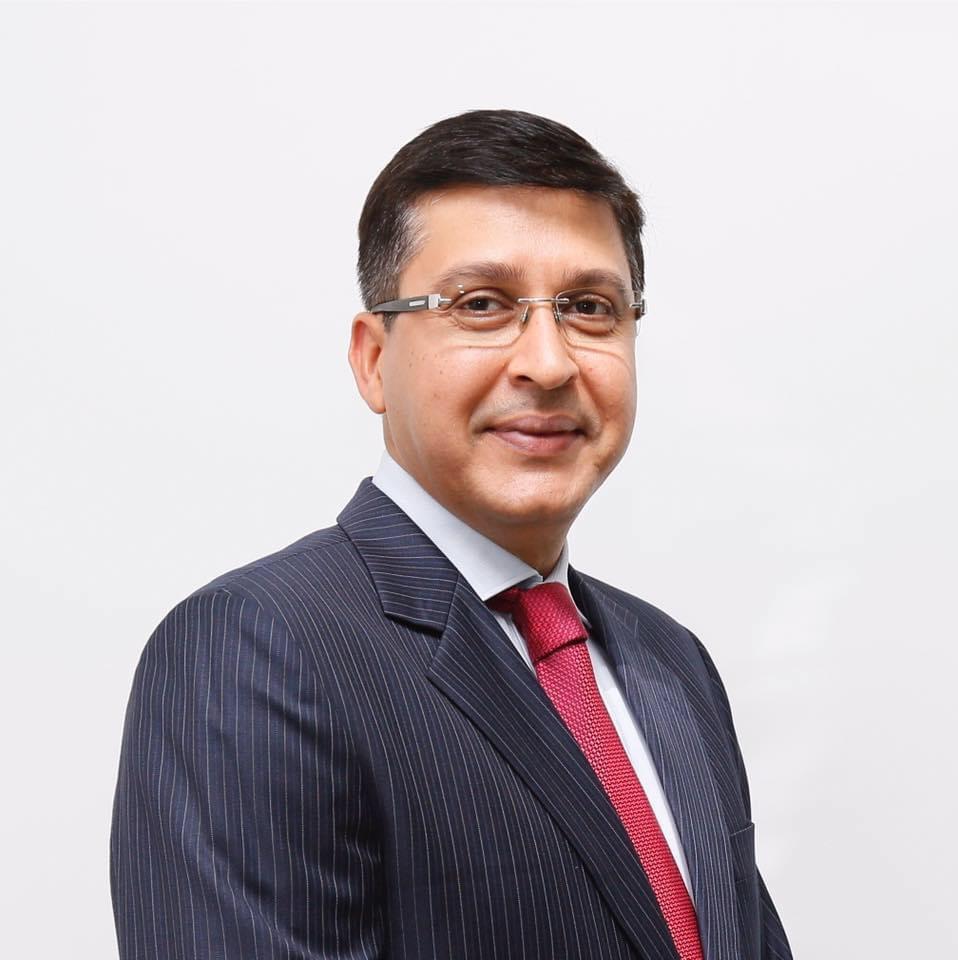
Nitin Chauhan, Partner at Pride & Property, told Breaking Travel News that he expects the luxury segment to remain active over the next 12 to 18 months, but said demand will be increasingly concentrated around the “right” projects.
“The market still has depth, but buyers are reading value more carefully,” he said. “Well-located developments with credible delivery and a clear lifestyle proposition should continue to perform well.”
That is especially true in Dubai’s ultra-luxury and branded residences segment, where global hospitality, automotive and lifestyle brands continue to shape product demand. Developments associated with names such as Bugatti, Six Senses and Bvlgari have expanded the market’s offer, giving high-net-worth buyers a wider set of branded, serviced and retreat-style living options.
Chauhan said buyers are now looking more closely at the quality of the asset, including the developer, the plot, the view, the community and the property’s long-term case.
Off-plan remains an important part of the luxury market because many of Dubai’s most interesting products are still coming through new launches.
“Buyer safeguards are supporting confidence,” he added. “Many luxury buyers are making decisions from outside the UAE, so they want clarity on process, delivery and protection. The escrow structure and the regulatory framework around off-plan sales have made the market considerably more attractive for international buyers.”
That emphasis on safeguards is running through the wider UAE market.
Cavendish Maxwell points to tighter escrow controls in Abu Dhabi, regulating developer withdrawals before 20 per cent project completion, alongside mandatory digital registration of off-plan Expressions of Interest for new developments.
Crompton also highlights Abu Dhabi’s off-plan protections, noting that buyer funds are paid into escrow accounts and linked to construction milestones. This structure helps prevent developers from using money paid into one project to fund unrelated projects, land purchases or dividends.
For international buyers, these safeguards are important, but they are still not always fully understood. Crompton argues that buyers should research developer track record, understand payment schedules and service charges, read original developer marketing material and work with trusted advisors rather than relying only on sales-driven intermediaries.
That is the new reality of the market. Trust, transparency and advisory quality are becoming as important as location and price.
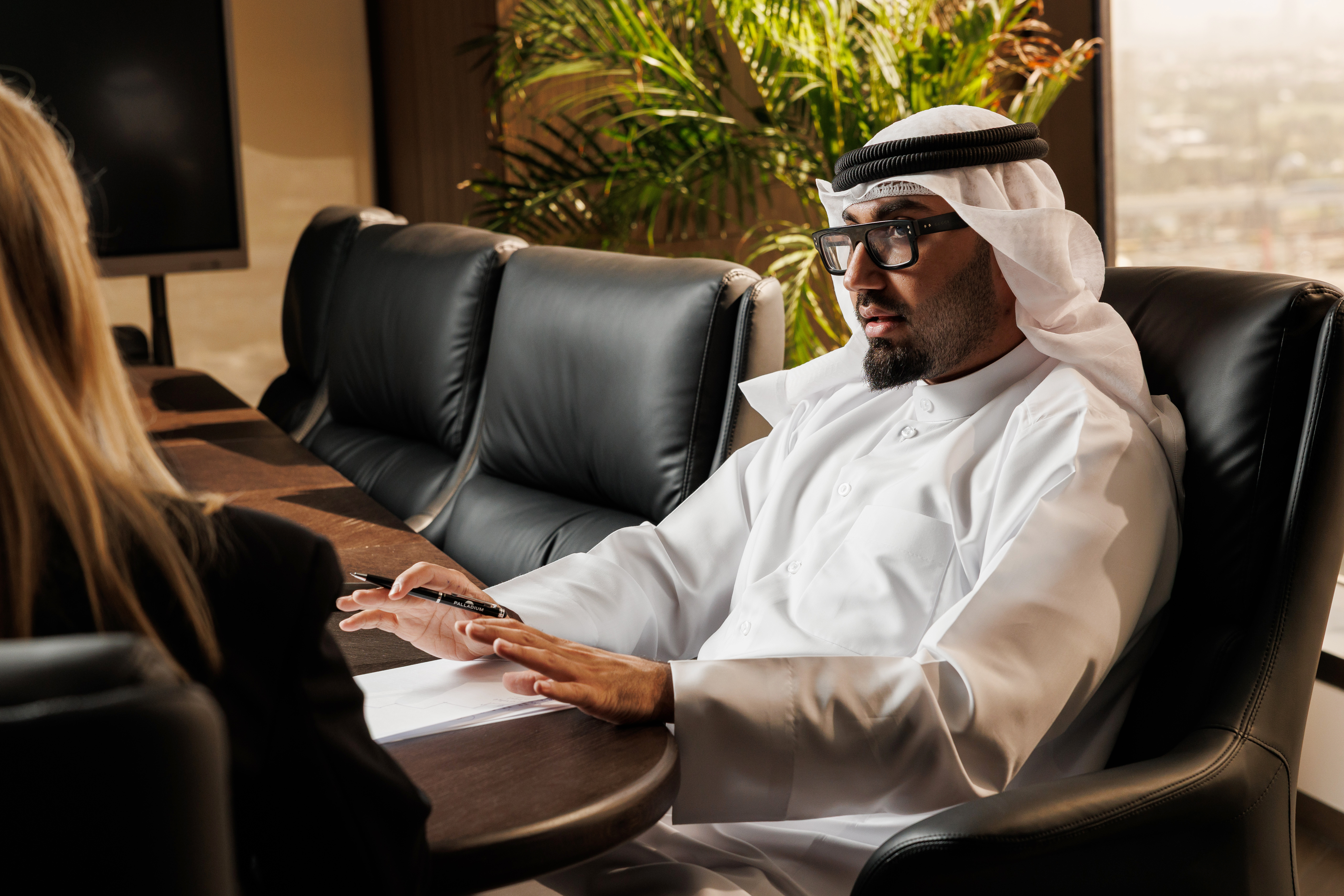
Ahmad Sultan Al Shammari, Group Head of Sales at Palladium Prime Real Estate Development, told Breaking Travel News that the UAE residential market has “always been able to absorb shocks”, and that while some buyers expected geopolitical tensions to trigger steep price reductions, that has not happened.
“What is changing is buyer behaviour,” he said. “Off-plan demand remains active, but it’s becoming more disciplined and selective. Clients want clarity on who is building, how projects are structured, and whether delivery records are proven.
“Brokers are shifting into a more advisory role because buyers are comparing developers and timelines far more closely than before.”
He said credible delivery, transparent payment structures and visible construction progress will be central to trust and transactions over the next phase of the cycle.
“Safeguards have definitely become a differentiator,” he added. “Escrow protection, milestone-based releases and clearer handover commitments are giving both end-users and investors confidence despite regional uncertainty.
“A final point: the UAE’s leadership and regulatory framework are fundamental to the market’s resilience. Strong governance, consistent policy and a well-designed escrow regime are exactly why interest remains steady and the market remains active even when global conditions are volatile.”
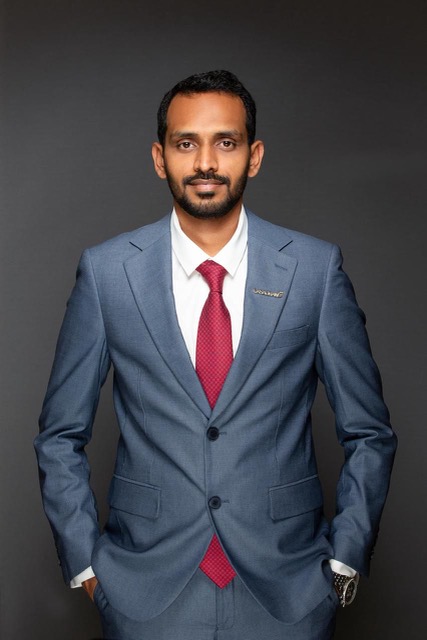
Luthfullah K, Director, Dubai at Casagrand, told Breaking Travel News that Dubai’s market continues to show “notable resilience” despite regional uncertainty, supported by strong fundamentals, sustained international capital inflows and end-user demand.
“What we are seeing today is not a slowdown in appetite, but a more selective and value-driven investor mindset, particularly within the off-plan segment,” he said.
He said buyers are prioritising location quality, long-term capital appreciation, construction progress and developer credibility.
“At Casagrand, we are also seeing a notable rise in bulk acquisitions from regional and international investors who are taking a more strategic, portfolio-led approach to Dubai real estate,” he added.
“This reflects growing confidence in the long-term performance of well-located, lifestyle-led developments and Dubai’s broader economic outlook.”
Emerging waterfront destinations, including Dubai Islands, are expected to remain attractive where projects are well-located, lifestyle-led and backed by disciplined execution.
This is the common thread across the UAE. Demand remains, but it is becoming more intelligent. Liquidity remains, but capital is becoming more discerning. Appetite remains, but buyers want stronger proof points.
The long-term confidence story has also been visible in the listed market. Dubai Holding, owned by Dubai’s ruler, became Emaar Properties’ largest shareholder this week after completing the purchase of a 22.27 per cent stake from the emirate’s main sovereign wealth fund, taking its total stake to 29.73 per cent. Reuters reported that Dubai Holding said the deal reflected confidence in Emaar’s market position, asset quality, long-term growth prospects and the enduring fundamentals of Dubai’s economy and real estate sector. (Reuters)
The next 12 to 18 months will therefore be defined by selectivity rather than simple momentum.
In Abu Dhabi, the key indicators will include rental performance over the summer, the pace of international buyer return, continued absorption in Saadiyat, Yas and Reem, and the extent to which ADGM’s growth continues to translate into residential demand.
In Dubai, attention will focus on construction progress, handover discipline, investor appetite for off-plan launches, and whether luxury demand continues to concentrate around the best plots, strongest brands and most credible developers.
Across both markets, the signal from experts is consistent. The UAE has demand, but buyers are becoming more sophisticated. It has liquidity, but capital is more selective. It has global appeal, but credibility now matters more than ever.
For real estate, that is a more mature phase of growth.
For travel, tourism and hospitality, it is also a powerful signal. The UAE’s property market is no longer only about homes, towers and villas. It is about cultural districts, entertainment islands, branded residences, waterfront destinations, financial hubs and the lifestyle infrastructure that turns global interest into long-term commitment.
The cycle has shifted, but the story remains intact.
The UAE real estate market is no longer simply defying gravity. It is learning how to build through it.