
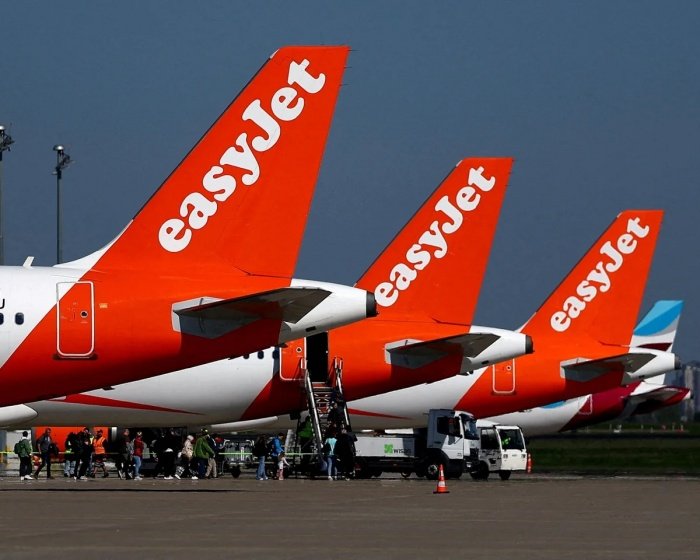
easyJet Takeover Talks Signal Potential Shake-Up for European Aviation | News


easyJet could be heading for one of the most significant ownership changes in its 31-year history after the British low-cost carrier agreed in principle to a revised takeover proposal from U.S. investment firm Castlelake.
The improved offer, worth up to £5.5 billion, values easyJet at £6.90 per share and represents a substantial premium to the airline’s share price before Castlelake’s interest became public. The proposal would take the Luton-based airline private, marking a major moment for one of Europe’s most recognisable budget carriers.
The agreement remains preliminary. easyJet’s board has said the latest proposal is at a level it would be minded to recommend to shareholders, but Castlelake must still submit a firm intention to make an offer by August 3, 2026. Until then, the deal remains subject to further process, shareholder scrutiny and regulatory consideration.
For Castlelake, the potential acquisition represents a bold move deeper into airline ownership and aviation assets. The U.S. investment firm is already a major player in aircraft finance and leasing, with experience across airline lending and aviation-backed investment. Its interest in easyJet reflects the continuing appeal of airlines with strong brands, valuable airport slots and modern fleets, even at a time when the sector faces rising costs and geopolitical uncertainty.
easyJet has long been viewed as a strategically attractive asset. The airline operates across 38 European countries, with a network of more than 1,200 routes and a fleet of more than 350 aircraft. Its presence at slot-constrained airports, including London Gatwick, Paris and Geneva, adds particular value for potential investors seeking scale in the European short-haul market.
The revised proposal follows an earlier £4.93 billion offer that easyJet rejected in June, arguing that the bid undervalued the business. However, by granting Castlelake limited access to commercial information, the airline signalled that it was prepared to keep discussions open if a more compelling offer emerged.
The timing of the approach is notable. Airlines across Europe are facing pressure from higher fuel costs, volatile demand patterns and intensifying competition. easyJet has continued to compete fiercely with Ryanair while rebuilding profitability after the disruption of the pandemic years. At the same time, the airline’s package holidays division and efficient Airbus fleet have become increasingly important strengths.
One of the biggest challenges for any deal will be ownership regulation. Airlines operating within the European Union must satisfy rules requiring majority ownership and effective control by EU nationals. Although easyJet is headquartered in the UK, its ability to operate freely across Europe means any acquisition structure will need to be carefully designed. Castlelake has previously indicated that it would own 49% of the bidding vehicle, with the balance held by EU nationals including former Malaysia Airlines chief executive Peter Bellew and aviation executive Mark Breen. Bellew previously served as easyJet’s chief operating officer from 2019 to 2022.
The role of easyJet founder Sir Stelios Haji-Ioannou will also be closely watched. He stepped away from the board in 2010 but remains the airline’s largest shareholder through his family’s holding, with a stake of around 15%. He has often been outspoken about easyJet’s direction, particularly around growth plans and fleet commitments.
If completed, the takeover would add to a wider wave of deal-making around London-listed companies, where lower valuations have attracted international buyers. For the aviation sector, it would also underline renewed investor appetite for airlines with strong market positions, established brands and scarce infrastructure access.
For easyJet, the proposal presents both opportunity and risk. A private ownership structure could give the airline more flexibility to invest, restructure and pursue long-term growth away from public market pressure. But the deal will need to convince shareholders, satisfy regulators and demonstrate that the airline’s network, workforce and customer proposition can be strengthened under new ownership.
The coming weeks will determine whether Castlelake’s interest becomes a firm offer — and whether one of Europe’s best-known low-cost airlines is set to begin a new chapter away from the London Stock Exchange.