
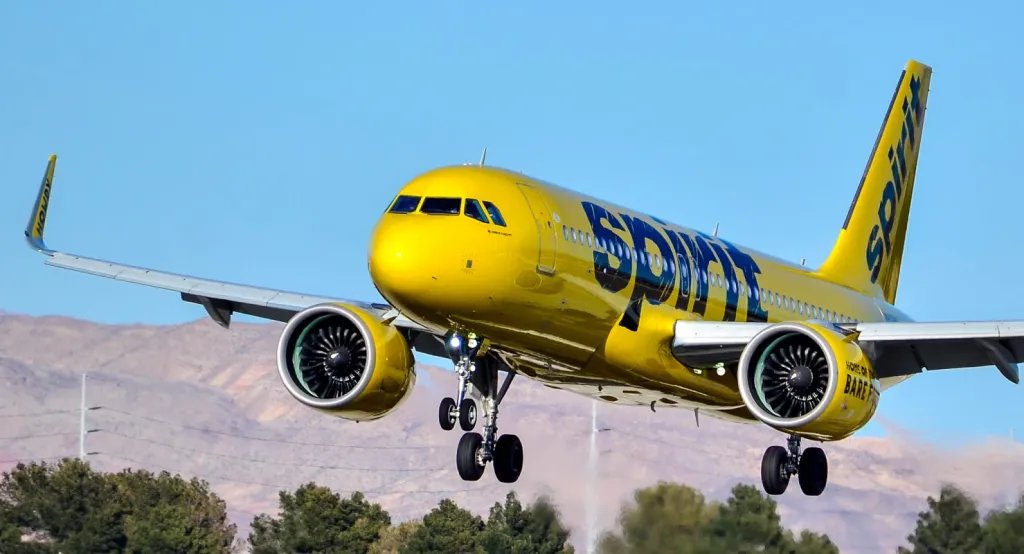
Spirit’s Failure Is Normal Almost Everywhere But America


Spirit Airlines is the first major U.S. carrier in more than two decades to go out of business — a remarkable run in an industry defined by boom-and-bust cycles.
Markets like Europe, Canada, and Australia see airline collapses as an almost routine — if unwelcome — part of how aviation works. In America, distressed carriers are far more likely to restructure or be rescued. The result is an industry that appears unusually steady, but that stability comes with trade-offs.
Today’s U.S. airline sector is the product of 20 years of consolidation. Following a wave of bankruptcies in the 2000s and early 2010s, mergers created what’s arguably become an oligopoly. American, Delta, United, and Southwest control roughly three-quarters of domestic seat capacity. Beneath them sits a smaller tier of niche and low-cost operators, including — until last weekend — Spirit.
Though with many critics, that structure has delivered resilience. Large carriers benef