The Caribbean is no longer simply selling sunshine. It is selling connection, culture and resilience | News


According to the 2026 Caribbean Travel Trends Report — a collaborative study produced by Caribbean Hotel and Tourism Association and Amadeus — the region is entering a new era of tourism growth shaped by technology, changing traveller expectations and a renewed appetite for meaningful experiences.
Caribbean Rising: The New Golden Age of Island Travel
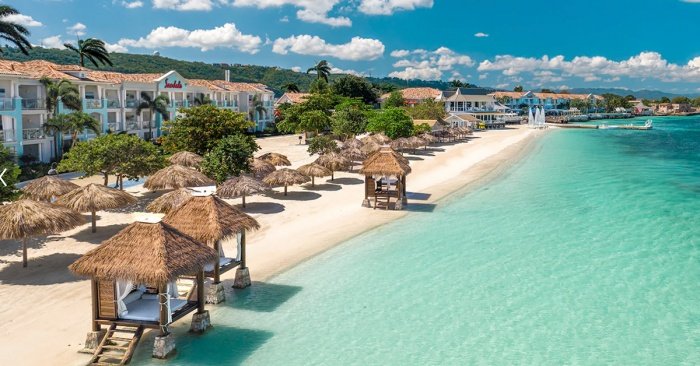
There was a time when Caribbean tourism marketing revolved around palm-fringed beaches and rum punch sunsets. Today’s travellers want far more. They want authenticity, flexibility, wellness, sustainability and digital convenience — all wrapped into one seamless journey.
The latest Caribbean Travel Trends Report 2026 suggests the region is adapting quickly.
Building on the success of previous editions, the report combines destination intelligence, airline data, booking patterns and traveller behaviour analysis to offer a compelling snapshot of where Caribbean tourism is heading next. The findings reveal a region that is not merely recovering from global disruption, but redefining itself as one of the world’s most dynamic and adaptive travel markets.
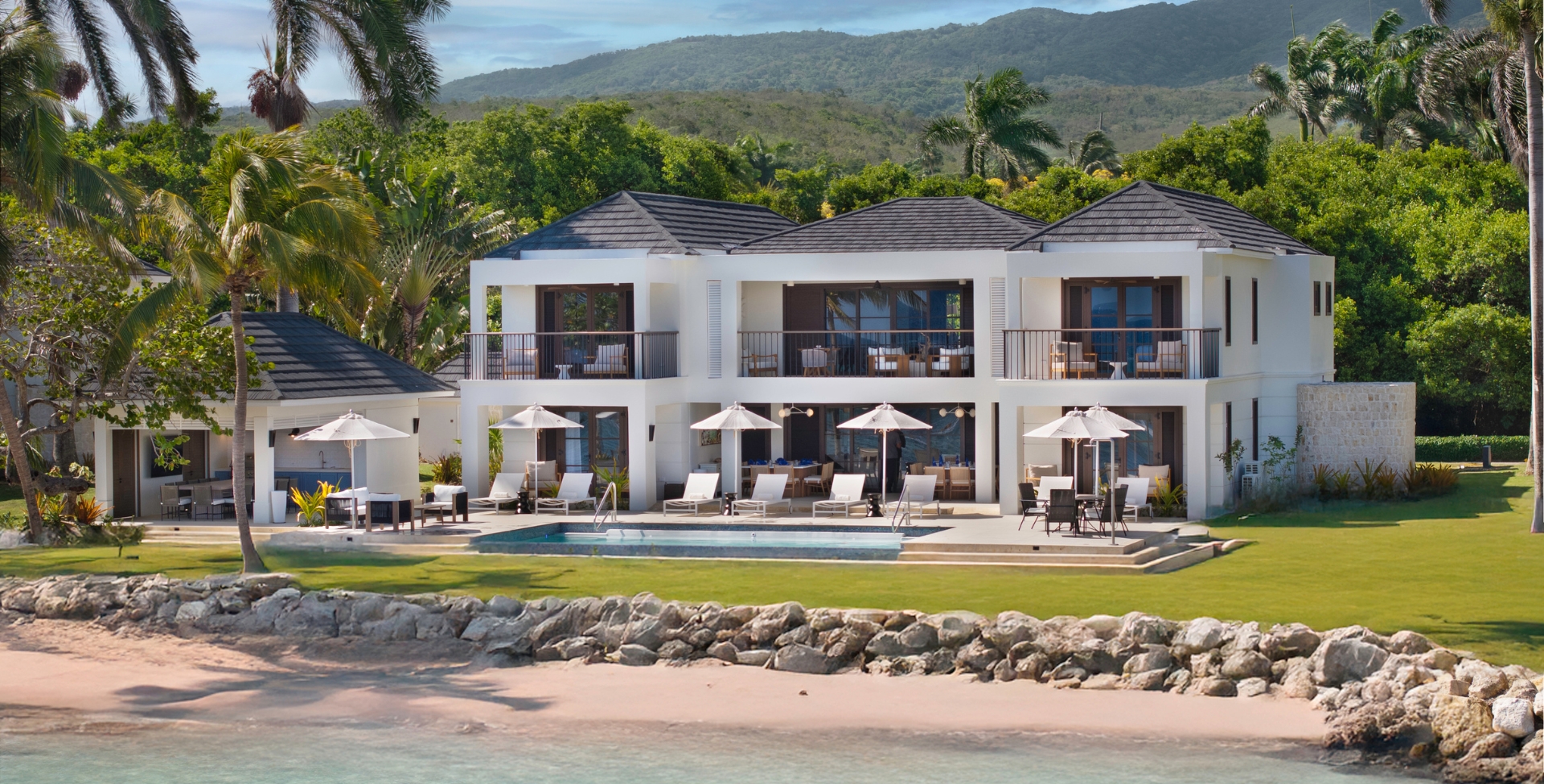
From luxury villas in Jamaica to eco-retreats in Dominica and cultural festivals in Barbados, the Caribbean’s appeal is broadening beyond traditional winter sun escapes.
Experience is the New Luxury
One of the report’s strongest themes is the rise of experiential travel.
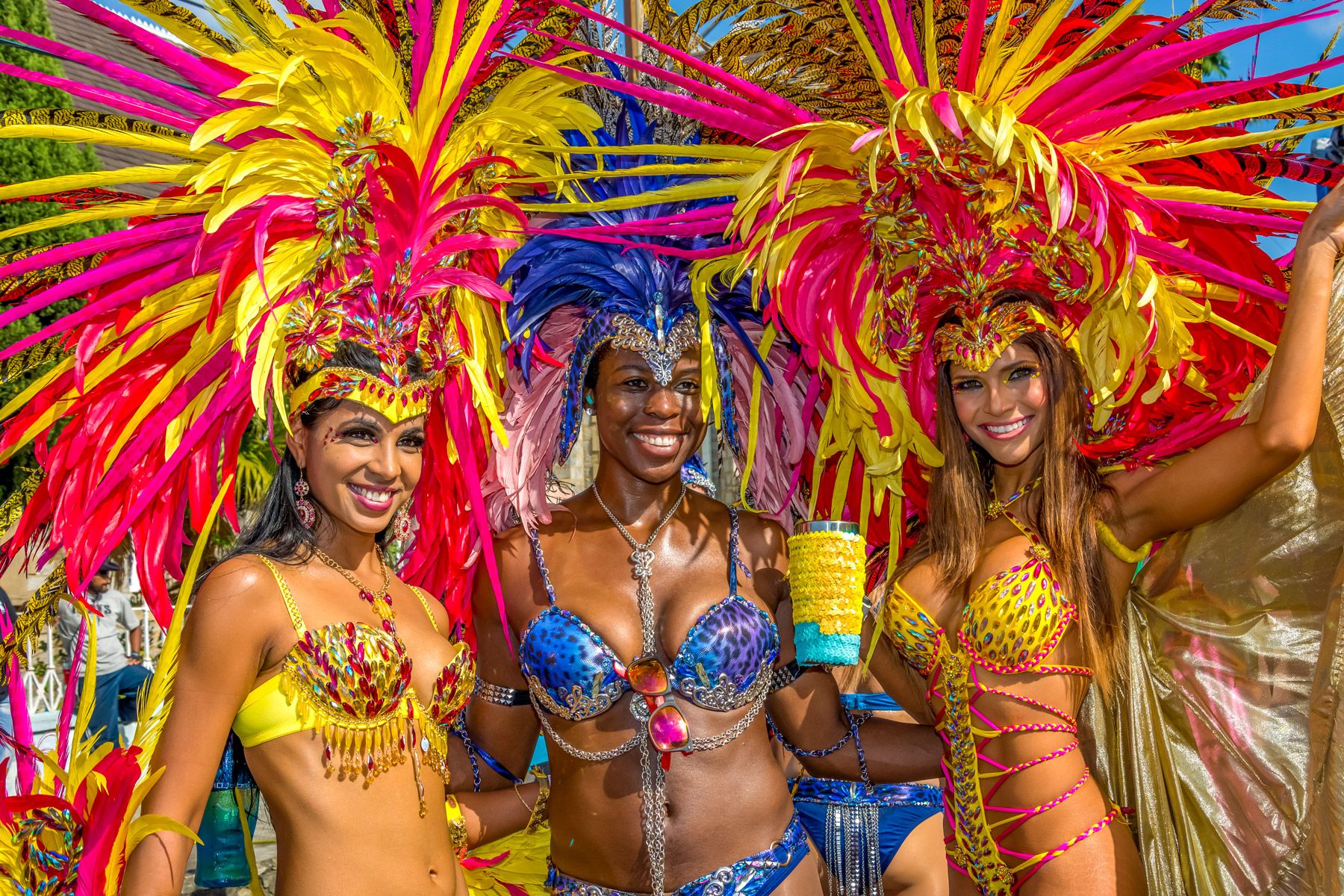
Today’s visitors are increasingly choosing immersive encounters over passive holidays. Cooking with local chefs, exploring heritage districts, participating in carnival celebrations and discovering community-led eco-tourism projects are becoming central parts of the Caribbean journey.
The modern traveller wants stories to tell, not simply photographs to post.
This shift is creating fresh opportunities for destinations across the region. Smaller islands and lesser-known communities are finding new visibility as travellers search for authenticity and individuality. The report notes that cultural richness and emotional connection are becoming major differentiators in destination choice.
For Caribbean hoteliers and tourism boards, this represents a significant evolution. Success is no longer measured solely by occupancy rates, but by the depth of guest engagement and the uniqueness of the experience delivered.
Technology Quietly Reshapes Caribbean Tourism
Behind the scenes, technology is becoming one of the Caribbean tourism sector’s most powerful drivers.
Amadeus highlights how digital innovation is transforming the traveller journey from booking to boarding and beyond. Artificial intelligence, predictive analytics and personalised booking platforms are enabling tourism providers to better anticipate traveller preferences and deliver highly tailored experiences.
Contactless check-ins, mobile concierge services and flexible booking systems are no longer premium features — they are expectations.
Air connectivity also remains a critical focus. The report points to continued demand for improved intra-Caribbean travel and smarter airline partnerships that can make regional movement easier and more affordable.
For an archipelago spread across thousands of miles of sea, connectivity is not merely a convenience. It is the backbone of economic growth.
Sustainability Moves Centre Stage
Perhaps the most encouraging trend is the growing importance of sustainable tourism.
Travellers are increasingly aware of environmental impact, and Caribbean destinations are responding with stronger commitments to conservation, renewable energy and responsible development.
Across the region, hotels are investing in greener operations while destinations seek to balance tourism growth with environmental protection. The report suggests sustainability is rapidly becoming a deciding factor for many travellers, particularly younger generations.
For islands vulnerable to climate change, sustainability is more than branding — it is survival.
Yet the report frames this challenge as an opportunity. The Caribbean’s natural assets, biodiversity and community-centred tourism model position the region uniquely well to lead global sustainable tourism conversations.
The Rise of the “Bleisure” Traveller
Another major trend reshaping the Caribbean is the continued rise of blended business and leisure travel — often referred to as “bleisure”.
Remote work flexibility has permanently altered travel behaviour. Increasingly, travellers are extending business trips into longer leisure stays or choosing Caribbean destinations as temporary work bases.
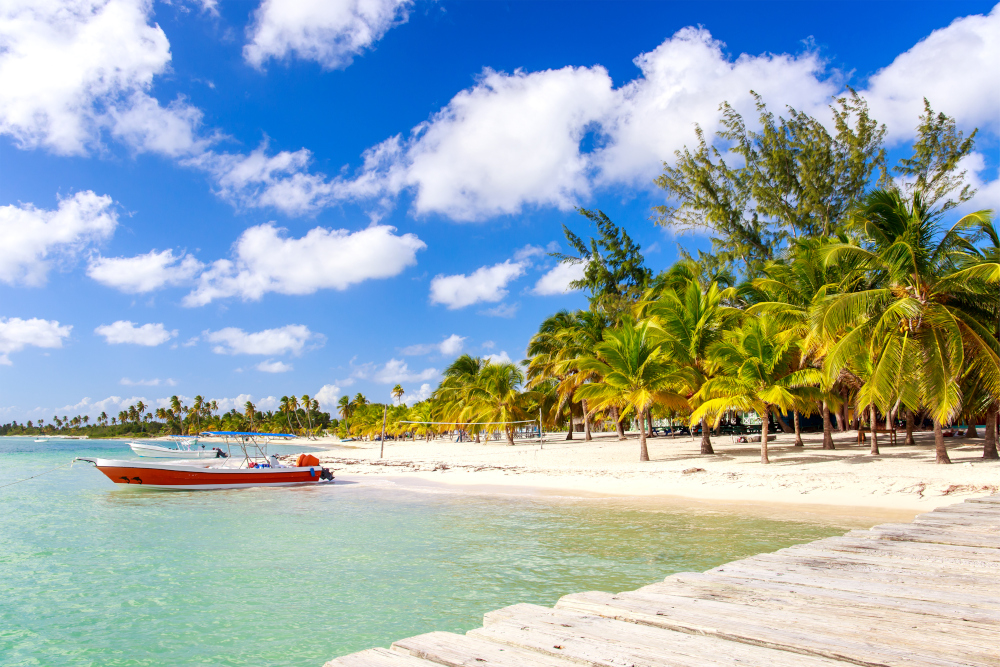
Fast internet connectivity, longer-stay accommodation options and wellness-oriented environments are making Caribbean destinations especially attractive to digital professionals seeking balance between productivity and lifestyle.
Islands once viewed primarily as holiday destinations are now positioning themselves as year-round lifestyle hubs.
A Region Defining the Future of Travel
What emerges most clearly from the Caribbean Travel Trends Report 2026 is a sense of confidence.
The Caribbean is no longer reacting to global tourism trends — it is helping shape them.
There is a growing maturity across the region’s tourism industry, driven by data, collaboration and innovation. The partnership between CHTA and Amadeus reflects a wider recognition that the future of Caribbean tourism depends on shared intelligence and strategic adaptation.
As global travellers seek deeper connections, more meaningful journeys and smarter travel experiences, the Caribbean appears exceptionally well positioned for the decade ahead.
The beaches remain spectacular, of course.
But increasingly, it is the region’s creativity, resilience and ability to evolve that are becoming its greatest attractions.
Freedom Becomes the Ultimate Luxury
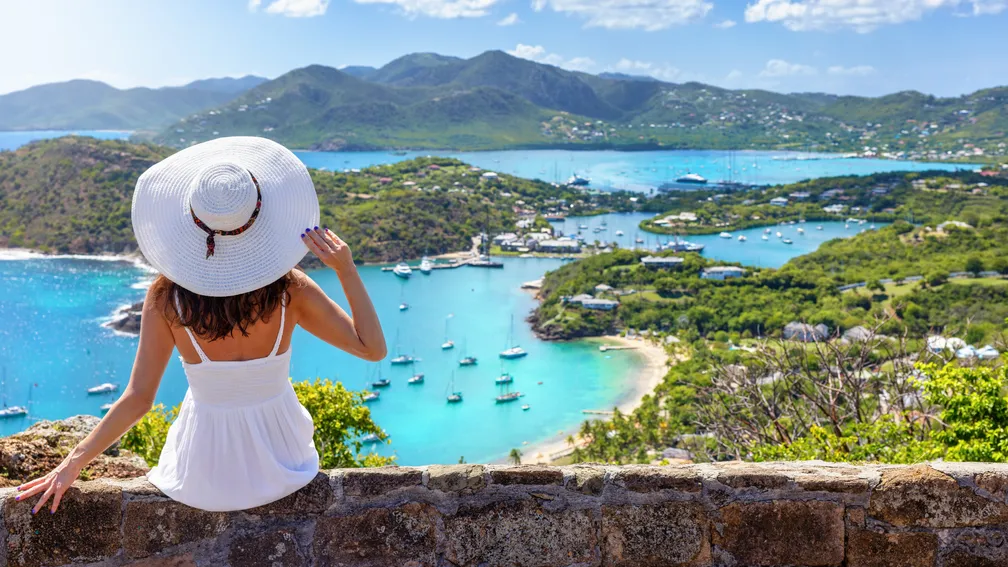
The new solo traveller is not escaping life — they are redesigning it.
For many, travelling alone represents freedom from schedules, compromise and routine. Increasingly, travellers are choosing experiences that prioritise wellbeing, personal growth and cultural immersion over traditional package holidays.
Research published in 2026 suggests that purpose-led and hobby-based travel is replacing the old “fly and flop” model. Travellers are actively seeking cooking classes, diving adventures, wellness retreats, music festivals and community-based experiences that allow them to connect more deeply with destinations.
The Caribbean fits naturally into this trend.
Its blend of relaxed island culture, warm hospitality, English-speaking destinations and accessible luxury creates an environment where solo travellers feel both independent and welcomed.
For first-time solo adventurers, the region offers something increasingly valuable in modern travel: emotional ease.
Women Lead the Movement
Perhaps the most striking aspect of the solo travel boom is the growing dominance of female travellers.
Industry research now estimates that women account for as much as 75 to 80 percent of solo travellers globally, with searches for solo female travel rising dramatically since the pandemic years.
Across the Caribbean, tourism operators are adapting quickly.
Hotels are creating more communal social spaces, tour operators are developing small-group experiences, and wellness resorts are increasingly marketing directly to independent female travellers seeking safety, relaxation and self-discovery.
The motivations are changing too.
For some women, solo travel is about empowerment. For others, it is about recovery, reflection or simply the joy of making decisions entirely for themselves. Recent travel surveys show many women now prioritise travel experiences over traditional lifestyle milestones, including home ownership.
Social media has also helped normalise solo travel. Platforms such as TikTok and Instagram have turned independent exploration into an aspirational lifestyle rather than a niche activity.
The Caribbean’s New Appeal
What makes the Caribbean especially attractive to solo travellers is its versatility.
A traveller can spend the morning paddleboarding through mangroves in Antigua and Barbuda, join a rum tasting in Grenada by afternoon and end the evening dancing at a beach bar surrounded by strangers who quickly become friends.
The islands offer solitude without isolation.
Unlike larger destinations where solo travel can sometimes feel anonymous or overwhelming, the Caribbean’s intimate scale creates natural opportunities for interaction. Boutique hotels, catamaran excursions, cooking workshops and eco-adventures all encourage social connection without pressure.
Many solo travellers are also increasingly drawn to wellness-focused escapes. Yoga retreats, nature lodges, digital detox resorts and mindfulness experiences are flourishing across the region as travellers seek restoration as much as recreation.
For burnt-out professionals and digitally exhausted travellers, the Caribbean has become less of an escape and more of a reset.
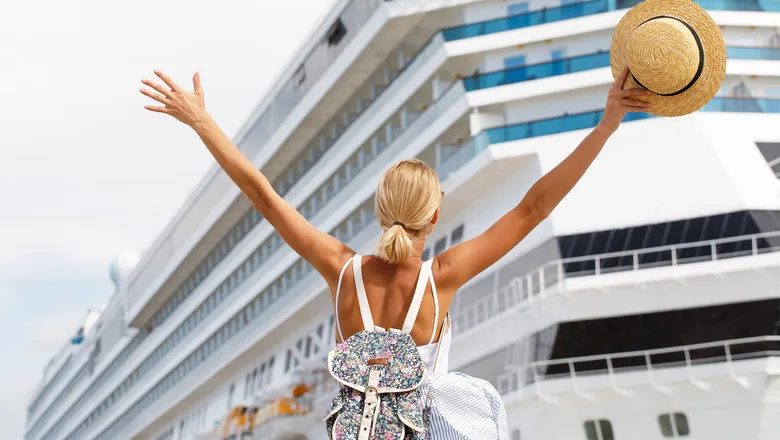
Gen Z Changes the Rules
Another major force behind the solo travel boom is Generation Z.
Younger travellers are showing less interest in traditional package tourism and more enthusiasm for independent, experience-led journeys. Studies in 2026 indicate that Gen Z travellers increasingly prioritise cultural immersion, flexible itineraries and self-directed exploration.
The Caribbean’s evolving tourism product aligns perfectly with these preferences.
Street food tours, heritage experiences, music culture, sustainability projects and adventure tourism are all helping the region connect with younger independent travellers who want authenticity rather than predictability.
Importantly, Gen Z travellers also tend to travel more frequently throughout the year rather than relying on one major annual holiday.
For Caribbean destinations, this creates opportunities for more consistent year-round tourism.
Safety, Community and Confidence
Safety remains a key consideration, particularly for solo female travellers, and online communities are playing an increasingly important role in building traveller confidence.
Across Reddit travel forums and solo travel communities, travellers consistently describe solo travel as empowering, socially rewarding and increasingly normalised. Many report that small-group experiences and community-driven travel reduce anxiety while preserving independence.
The Caribbean’s reputation for warmth and hospitality gives it a competitive advantage here.
Visitors often speak about the friendliness of locals, the slower pace of life and the ease of meeting fellow travellers across the islands. In many ways, the Caribbean delivers exactly what modern solo travellers seek most: freedom with connection.
The Future Belongs to Independent Explorers
The rise of solo travel is more than a passing tourism trend.
It reflects broader social changes — shifting lifestyles, delayed life milestones, remote working flexibility and a growing desire for experiences that feel deeply personal.
For the Caribbean tourism industry, this presents enormous opportunity.
Destinations that once focused almost exclusively on couples and family packages are now discovering the power of catering to the independent traveller. Hotels, airlines and tourism boards are recognising that solo travellers often stay longer, spend more on experiences and travel more frequently throughout the year.
And perhaps most importantly, they return home as storytellers.
Because somewhere between the steel drums, turquoise waters and sunset conversations with strangers, solo travellers are discovering something the Caribbean has always understood instinctively:
Sometimes the best journeys are the ones taken alone.