Inside the Indian Ocean’s last quiet whale corridor | News

Marine protected areas are increasingly recognised as critical refuges for humpback whales, offering rare stretches of ocean where they can communicate, navigate and breed without the growing pressures of shipping noise and military sonar. Annual migrations along South Africa’s east coast have been growing for over three decades, with iSimangaliso Wetland Park recording more than 11,000 whales in a single migration season, highlighting the importance of protecting these increasingly rare quiet corridors.
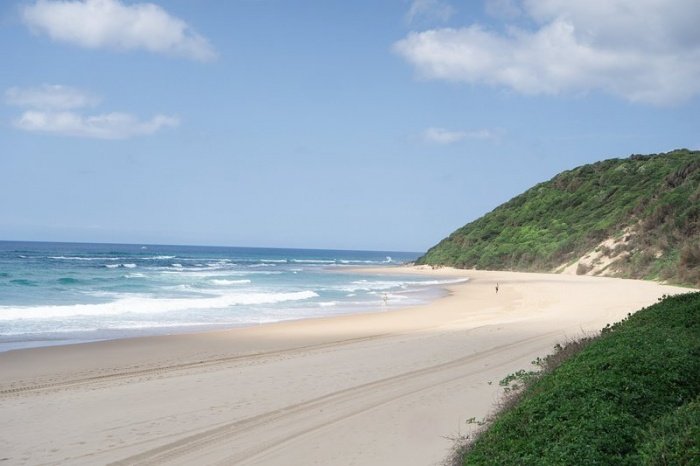
Access to this stretch of coastline is unusually limited. Thonga Beach Lodge operates the only commercial boat launch from the secluded shores of Mabibi, granting guests direct and exclusive access to this marine wilderness entirely free from the boat crowding and acoustic pollution found in major commercial hubs further down the coast.
Every year between June and September, humpback whales travel the length of the African east coast on one of the longest migrations undertaken by any mammal on earth, moving from their Antarctic feeding grounds toward the warm breeding waters of Mozambique and Madagascar. The Maputaland coast, where Thonga Beach Lodge sits inside the iSimangaliso Wetland Park, is directly on that corridor, remaining one of southern Africa’s most biodiverse yet intentionally preserved marine environments. Guests have an unobstructed line of sight from land to the open ocean, with whales passing close enough to track without binoculars.
The lodge’s Marine Centre guides were born in the Mabibi community, the same Tsonga fishing community that has lived along this coastline for generations. They grew up reading this ocean before they were trained to guide it, and the path each took to the water tells its own story. Bonani Mbonambi began as a general helper before his fascination with the underwater world led him to become a qualified dive master. Snorkelling guide Sipho Qwabe started in maintenance and now leads guests through the coral-filled rockpools he has known since childhood.
“The ocean has always been part of our lives here in Mabibi,” says marine educator Saneliso Mathenjwa, known to guests as Sunny, who was born and raised in the village. “As children, we swam and fished here. Now we help protect the same beaches and teach our youth how important the ocean is to all of us.”
The guides assist with monitoring marine activity and sharing conservation knowledge that no classroom can teach. The reef directly in front of the lodge is one of the most closely watched marine environments in the park. During winter, humpback whales dominate the migration corridor, while bottlenose and spinner dolphins, manta rays, whale sharks and giant turtles are all regular residents of these protected waters.
iSimangaliso itself is a case study in what protected wilderness looks like. South Africa’s first UNESCO World Heritage Site, the park covers 1,328,901 hectares and 220 kilometres of coastline, encompassing coral reefs, dune forests, estuaries, freshwater lakes, and open ocean. It is also home to the prehistoric West Indian Ocean coelacanth, a species thought to have gone extinct 66 million years ago until it was rediscovered in South Africa in 1938.
Whales follow the Agulhas Current north because the water is warm, the corridor is quiet, and the coast has not been taken from them. What Thonga Beach Lodge offers is not a whale watching experience. It is a front-row seat to what the ocean sounds like when it is left alone, and a reminder of how much had to go right for that silence to exist at all.
For more information, visit Isibindi.co.za or contact the reservations team at [email protected] / +27 (0)35 474 1473.